 by Tealyra
Best Porcelain Tea Pots for 2026
Get proven strategies for Best Porcelain Tea Pots for 2026 including common pitfalls to avoid with Tealyra by your side.
Best Porcelain Tea Pots for 2026
Table of Contents
- Who this roundup is for
- Selection criteria for porcelain tea pots
- #1 Best overall porcelain teapot
- #2 Best for loose-leaf beginners
- #3 Best for gongfu-style brewing
- #4 Best for entertaining or larger servings
- #5 Best gift-worthy porcelain teapot
- How to choose the right option
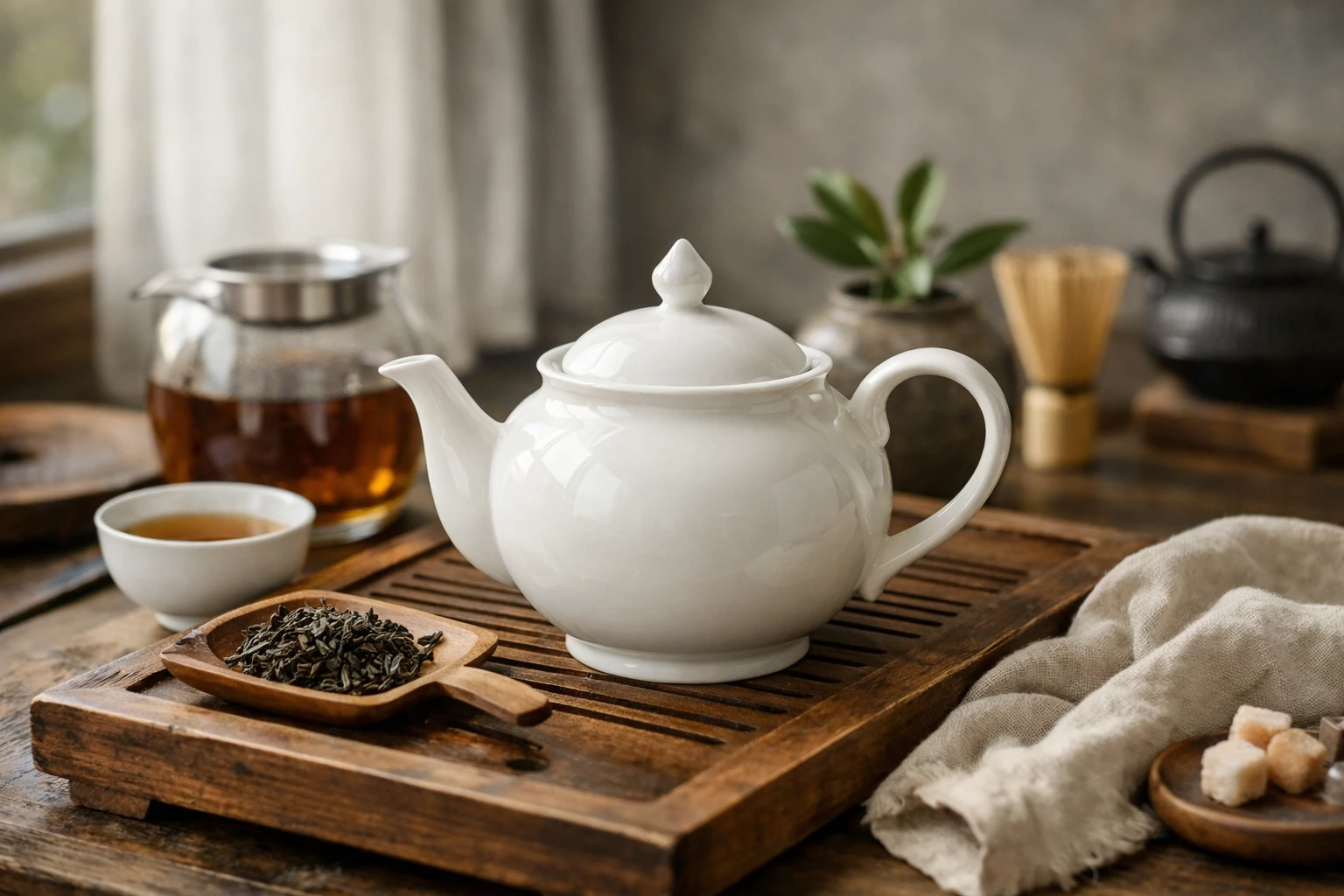
Steam curls off a white teapot on a quiet kitchen table as loose leaves turn the water from pale gold to amber. The kettle clicks itself cool. A lid settles with that small ceramic tap you only notice when the room is still.
That moment explains why porcelain tea pots keep earning space in real kitchens. If you want a neutral vessel that stays out of the way, cleans up without drama, and lets sencha taste like sencha instead of last night’s peppermint, porcelain remains one of the safest bets you can make.
Who this roundup is for
What porcelain does well
Watch This Helpful Video
To help you better understand porcelain tea pots, we've included this informative video from Florian Gadsby. It provides valuable insights and visual demonstrations that complement the written content.
Porcelain is non-porous, so it generally does not absorb flavors or aromas from previous brews. In practice, that means you can brew a floral jasmine green at 9 a.m., a malty Assam after lunch, and a caffeine-free rooibos at night without the pot hanging on to yesterday’s scent. That neutrality matters more than many new tea drinkers realize.
Loose-leaf tea drinkers often prefer neutral vessels because the pot should not add its own taste to the infusion. Clay has its devotees. Glass has its charms. Porcelain, though, is often the material you reach for when you want the leaf itself to do all the talking.
Porcelain is the “let the tea speak” material.
Who benefits most from porcelain
You will get the most from porcelain if your tea shelf is mixed. Maybe you keep Longjing, Earl Grey, Taiwanese oolong, and chamomile within arm’s reach. Maybe two people in your home drink completely different things. Maybe you just do not want one dedicated pot for every category. Porcelain is flexible enough for all of that.
It also suits anyone who values easy cleaning. A fully glazed pot usually rinses clean faster than rougher, more absorbent materials. If your weekday tea routine lasts 12 minutes between emails, school runs, or dinner prep, that simplicity is not a luxury. It is the difference between using the pot daily and leaving it in the cabinet.
What this guide compares
This guide compares five practical pick profiles rather than chasing novelty shapes or showroom pieces. We are looking at the everyday all-rounder, the beginner-friendly option, the small gongfu pick, the larger serving pot, and the gift-worthy choice that still deserves table time.
Across all five, the same questions matter: Does it pour cleanly? Does the lid stay put? Is the interior fully glazed? Can the leaves open properly? Will it feel balanced when you fill it with 24 or 40 ounces of hot tea? A pot can be gorgeous on a shelf and still annoy you every morning.
Selection criteria for porcelain tea pots
Material and glaze quality
A good porcelain pot starts with the interior. A fully glazed interior helps keep the pot from absorbing flavors and makes cleanup easier. When I inspect one in person, I check inside the body, under the lid, around the spout opening, and near the foot ring. You want a smooth, even surface without rough patches, pinholes, or unfinished-looking spots.
Do not get distracted by fancy trim before you check the basics. A plain white pot with a clean glaze often outperforms a more decorated one that feels rough inside or has a cramped opening. On a working tea table, finish quality beats ornament almost every time.
Pouring control and lid fit
A snug lid and well-shaped spout improve heat retention and reduce drips during pouring. Those two details sound small until you are wiping tea off the tray after every cup. The lid should sit securely with minimal rattle. The spout should be aligned cleanly with the body and narrow enough to stop the stream without leaving a tail of tea down the side.
If you can handle the pot before buying, fill it with water. Tip it slowly, then finish the pour with a firm wrist movement. A good pot should feel predictable. You should not have to overthink the angle or clamp a finger hard against the lid to keep it from shifting.
A beautiful teapot that drips is a bad buy.
Capacity and use case
Teapot capacity should match the number of cups you normally serve, not just the size of the pot itself. A 24-ounce pot is comfortable for one large mug or two smaller cups. A 6-ounce pot sounds tiny if you are used to Western mug service, yet it makes perfect sense for gongfu brewing with repeated short infusions. Capacity is about routine, not bragging rights.
Think in actual cups. Think in actual people. If you host Sunday brunch for four, a 20-ounce pot will feel undersized. If you brew solo before work, a 40-ounce showpiece will feel clumsy and wasteful.
| Pick profile | Typical capacity | Best for | Main caution |
|---|---|---|---|
| Classic everyday pot | 20 to 28 ounces | One or two drinkers, mixed tea styles | Not ideal for larger groups |
| Beginner-friendly pot | 18 to 24 ounces | Simple daily loose-leaf brewing | Less precise than smaller specialist pots |
| Gongfu pot | 4 to 8 ounces | Short infusions, repeated steeps | Too small for casual mug service |
| Large serving pot | 32 to 44 ounces | Households, brunches, guests | Can feel heavy and awkward when full |
| Gift-worthy pot | 24 to 32 ounces | Hosts, collectors, special occasions | Style can outpace function |
#1 Best overall porcelain teapot
Why it wins overall
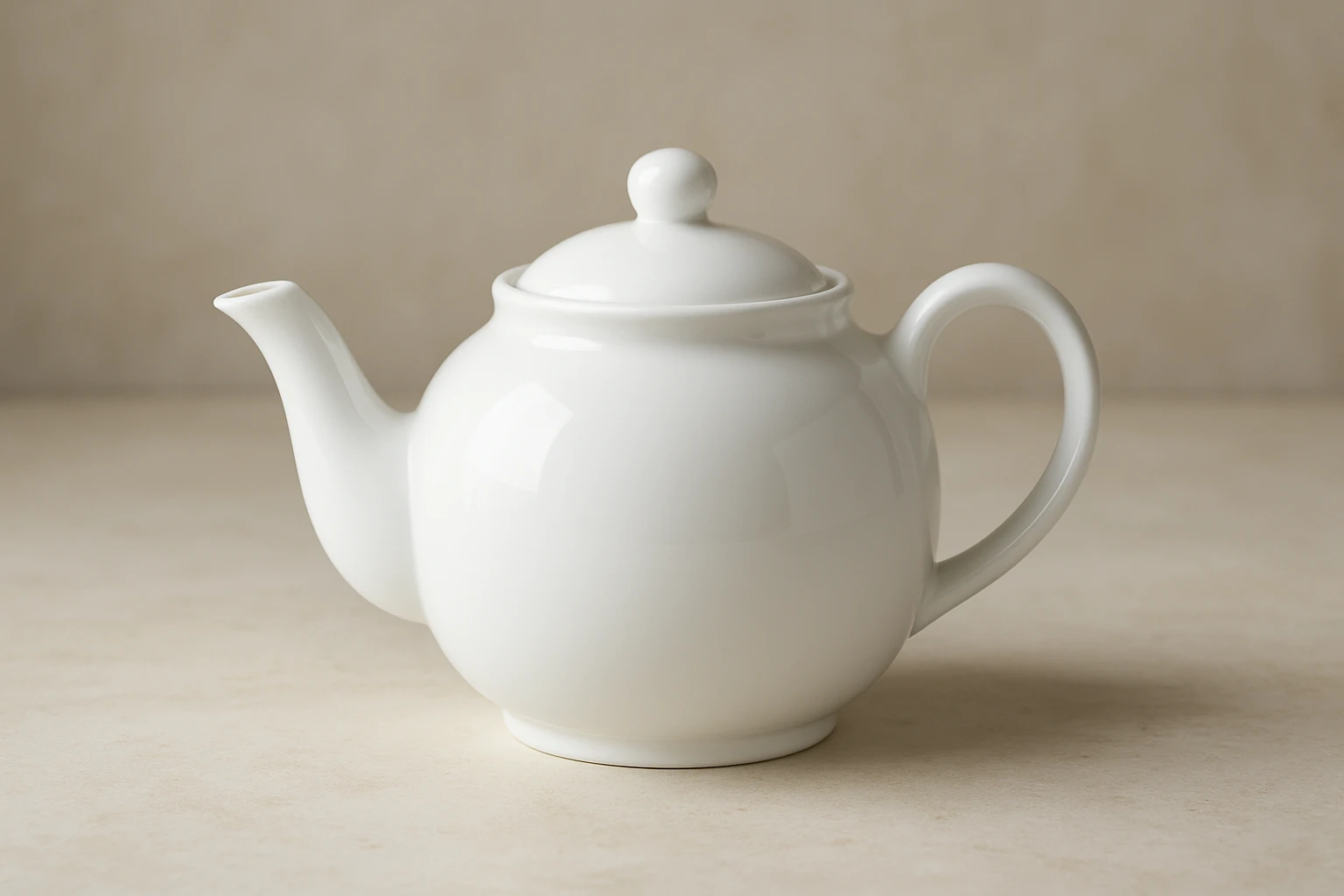
The best all-around choice is a classic white, fully glazed porcelain pot in the 20- to 28-ounce range. This is the shape I recommend most often because it does nearly everything well. It gives loose leaves enough space to open, stays neutral across tea categories, and usually feels manageable in the hand whether you are pouring into one 12-ounce mug or two 6-ounce cups.
- Typical size: 20 to 28 ounces
- Best for: Everyday black, green, oolong, white, and herbal tea
- Look for: White or pale interior, smooth glaze, clean spout, secure lid
- Watch for: Decorative bulk, short spouts, cramped openings
Porcelain’s neutral character makes it a strong all-purpose choice for many loose-leaf teas. White or light-colored porcelain also makes it easier to judge tea liquor color while brewing. That sounds minor until you are trying to catch a green tea at pale yellow instead of pushing it into bitterness.
If you only buy one, choose the pot that pours cleanly first and looks pretty second.
Best for daily brewing
This is the pot for the person who drinks different teas throughout the week and wants one dependable vessel. It handles a breakfast Darjeeling, an afternoon milk oolong, or an evening lemon verbena without asking you to change your whole routine. If you brew for yourself and one other person, this capacity range hits a useful middle ground.
It also fits how most kitchens actually work. You can set it beside a timer and tea tin, rinse it quickly, and use it again tomorrow. No special ceremony required. No need to dedicate half a shelf to gear.
Trade-offs to expect
This balanced pick is not the specialist’s dream in every direction. It will not offer the same tight control as a 5-ounce gongfu pot, and it will not serve four guests as easily as a larger host pot. That is the bargain: wide usefulness instead of narrow perfection.
Still, for most people, this is where the smart money goes. A well-made everyday porcelain pot disappears into the ritual. That is a compliment.
#2 Best for loose-leaf beginners
Why beginners need simplicity
If you are moving from tea bags into loose leaf, simplicity matters more than prestige. The best beginner porcelain pot is usually modest in size — around 18 to 24 ounces — with a wide opening, a lid that feels stable, and enough internal room for leaves to unfurl properly. You want a pot that makes better tea without making you feel like you bought lab equipment.
- Typical size: 18 to 24 ounces
- Best for: First-time loose-leaf drinkers
- Look for: Wide mouth, easy lid, roomy body, simple cleanup
- Watch for: Tiny fill holes, narrow shoulders, fiddly strainers
Loose-leaf tea expands as it steeps, so a pot with enough room helps the leaves open fully. A tightly cramped pot can make even a pleasant sencha or Ceylon feel muted. Beginners should not have to fight the vessel just to give the leaf basic space.
The best beginner pot makes good tea with minimal steps.
Easy-clean design cues
A wide opening makes filling, rinsing, and cleaning simpler for new tea drinkers. You can see what you are doing. You can remove spent leaves without fishing around. You can get air inside the pot so it dries properly. All of that reduces friction, and friction is what kills new habits.
I would also favor a straightforward silhouette over something tall and narrow. Fewer creases. Fewer decorative ridges. Fewer hidden corners for wet leaf bits to stick. If you drink loose peppermint, jasmine pearls, or chunky fruit blends, you will appreciate this after about three uses.
Best for first-time loose-leaf drinkers
This option suits the drinker who wants a clear step up from tea bags without learning a new service style. Think Earl Grey in the morning, genmaicha on a rainy afternoon, or chamomile before bed. You measure the leaves, pour the water, steep, and serve. Simple. Clean. Repeatable.
That repeatability matters. The first good pot should build confidence, not test patience.
#3 Best for gongfu-style brewing
Why smaller capacity matters
For gongfu brewing, smaller is not a limitation. It is the whole point. A porcelain pot in the 4- to 8-ounce range supports short, concentrated infusions and repeated steeps. Smaller vessels help keep the leaf-to-water ratio tight, which is useful when tasting delicate shifts from one steep to the next.
- Typical size: 4 to 8 ounces
- Best for: Oolong, white tea, and focused tasting sessions
- Look for: Tight lid fit, fast pour, balanced body, clear interior
- Watch for: Slow emptying, heavy walls, oversized handles
Gongfu brewing uses short infusions and repeated steeps, so smaller vessels are useful for control. A 6-ounce pot paired with a fairness pitcher and a few tasting cups creates a very different rhythm from Western mug brewing. You notice texture. Aroma changes. The way a high-mountain oolong softens after the third infusion.
Small pots are about control, not serving size.
What a good gongfu pot needs
This style demands precision. The lid should fit closely. The spout should empty the pot quickly and cleanly. The body should feel stable when you tip it with one hand. Because you are often pouring after 10, 20, or 30 seconds, sluggish flow becomes a real flaw instead of a minor annoyance.
Some drinkers prefer dedicated clay for certain teas, especially more roasted or deeply aromatic styles. That preference is real. But porcelain gives you an honest baseline. If you want to taste what a Dan Cong, Bai Mudan, or young sheng actually does on its own, porcelain is a very clear translator.
Best for focused tasting sessions
This is the right pick when tea itself is the event. Maybe you are comparing two Tieguanyin lots. Maybe you are tracking how a white tea changes over five infusions. Maybe you just enjoy slowing down with three small cups instead of one large mug. A small porcelain pot makes that possible without adding flavor noise.
What it does not do well is casual mass service. If three people ask for refills at once, you will be brewing all afternoon.
#4 Best for entertaining or larger servings
When capacity matters
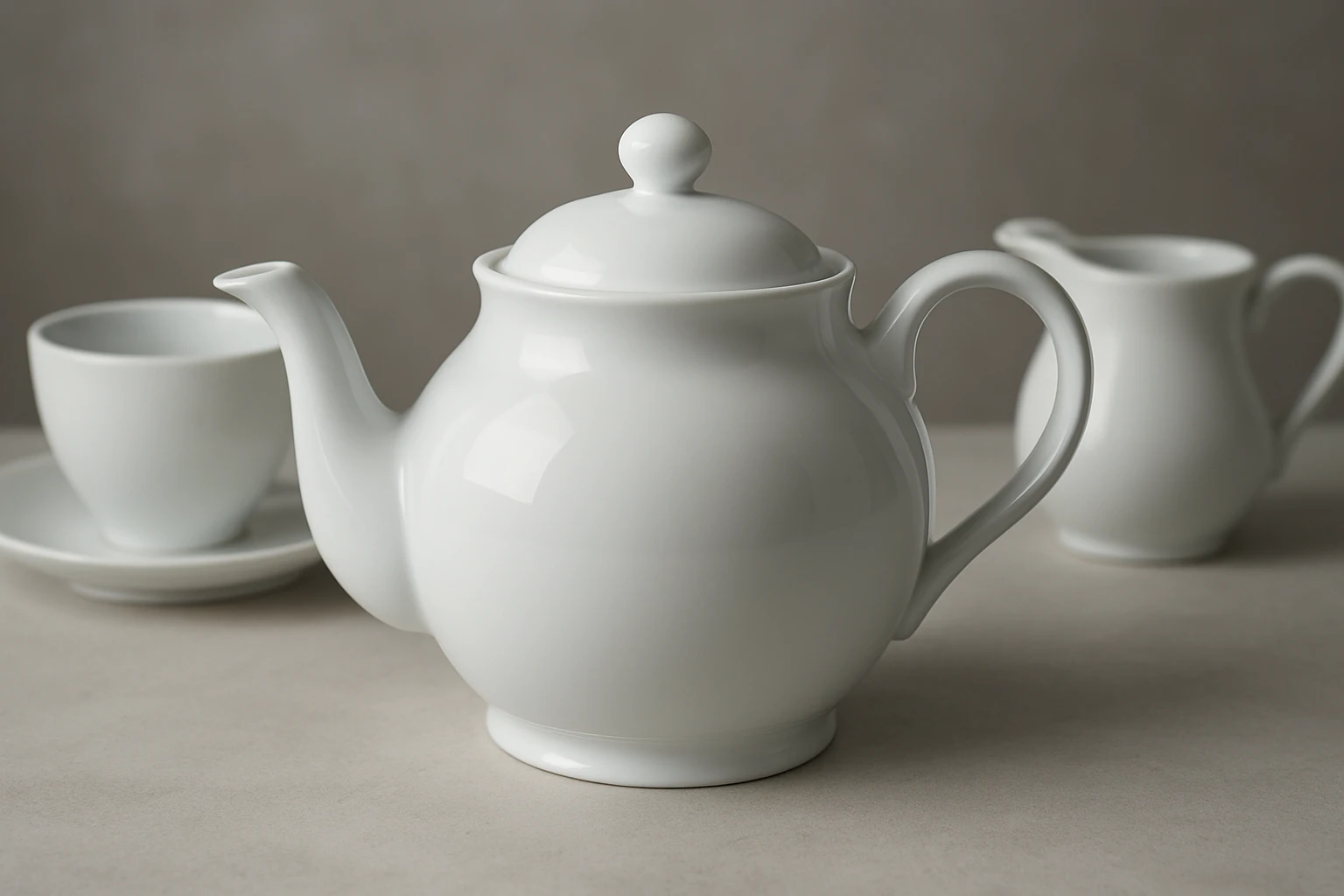
There are moments when larger really is better. If you host brunch, set out pastries, or keep tea flowing through long conversations, a bigger porcelain pot earns its keep fast. A larger teapot reduces how often you need to refill when serving multiple cups, which keeps the table moving instead of sending you back to the kettle every few minutes.
- Typical size: 32 to 44 ounces
- Best for: Families, guests, and group tea service
- Look for: Stable balance, generous handle, wide base, controlled spout
- Watch for: Excessive weight, lid wobble, awkward grip
As a pot gets fuller, handle balance and pouring stability become more important. What feels fine at 8 ounces can feel clumsy at 36. That is why I care less about delicate silhouette here and more about the practical geometry of the handle, body, and spout working together.
If the pot feels awkward empty, it will feel worse when full.
Features to prioritize for group serving
Look for a handle with enough finger clearance, a lid that stays put when the pot is tipped confidently, and a spout that cuts off the stream neatly at the end. A wide base helps. So does a body shape that does not force all the weight too far forward. On a dining table, drips spread fast — onto linens, pastries, and sleeves.
If you usually serve four 6-ounce cups, think about that volume honestly. A larger pot should let you pour those servings without scraping the bottom or rushing a second round before everyone finishes the first.
Best for households and guests
This is the right choice for English Breakfast at a family table, Moroccan mint with dessert, or an after-dinner herbal for a few friends. It is built around continuity. The tea keeps moving, and so does the conversation.
The trade-off is less finesse with delicate leaves if you leave them sitting in the hot pot too long. For green tea or lightly oxidized oolong, you may want to decant fully or use a removable infuser so the leaves do not keep steeping while people talk.
#5 Best gift-worthy porcelain teapot
What makes it gift-worthy
A gift-worthy porcelain pot needs two things at once: visual pull and everyday credibility. Porcelain can be molded and decorated in many styles, which makes it popular for both functional and display pieces. That is a strength, not a gimmick, as long as the basic brewing mechanics still hold up.
- Typical size: 24 to 32 ounces
- Best for: Hosts, collectors, and special-occasion gifting
- Look for: Distinctive finish, secure lid, comfortable handle, clean interior
- Watch for: Tiny openings, unstable balance, purely ornamental spouts
The best examples do not scream for attention. They reward a closer look — a soft ribbed body, hand-painted blue detail, a sculpted lid knob that actually helps grip, not just decorate. You should be able to imagine it both wrapped in tissue paper and poured from the next morning.
Pretty is a feature only if it pours well.
Style without sacrificing function
Even decorative teapots still need a lid that fits well and a spout that pours cleanly. That is where many gift-focused pieces stumble. A dramatic silhouette can shorten the spout too much. Gold accents can distract from a poor glaze line. An elegant narrow opening can make leaf removal miserable after one brew of rolled oolong.
For real use, I like decorative pieces that keep the interior simple and smooth. A matte exterior with a glossy glazed inside can work beautifully. So can a classic blue-and-white body with a plain white interior that lets you read the liquor color clearly.
Best for collectors and hosts
This pick suits the person who enjoys setting a table, bringing out good cups, and making tea feel like part of hospitality rather than an afterthought. It also works well for weddings, housewarmings, and milestone birthdays because it can feel personal without being too niche.
Just keep scale in mind. A solo tea drinker in a small apartment may use a 24-ounce decorative pot every week. A 40-ounce showpiece might spend most of its life on a shelf. The best gift lands in the hand as naturally as it lands in the room.
How to choose the right option
Match capacity to your routine
Start with the tea habit you already have, not the fantasy version of yourself. If you brew one mug of green tea before work, you probably do not need a big host pot. If two people share tea after dinner every night, the classic everyday size will feel much more natural than a tiny gongfu pot.
Buy for the tea you actually drink most, not the tea you imagine brewing someday.
Tea contains naturally occurring polyphenols, and green tea is especially known for catechins. If you drink a lot of green tea for its brisk, fresh character, a smaller light-colored porcelain pot helps you watch the liquor deepen from pale yellow to a stronger tone before it goes too far. If you mainly serve black tea or herbals to a table of four, capacity matters more than that visual precision.
| Your routine | Best capacity | Best match |
|---|---|---|
| Solo weekday mug | 16 to 24 ounces | Beginner-friendly or everyday pot |
| Two cups at breakfast | 20 to 28 ounces | Best overall porcelain teapot |
| Focused oolong tasting | 4 to 8 ounces | Gongfu-style pot |
| Four guests after dinner | 32 to 44 ounces | Larger serving pot |
| Gift for a host | 24 to 32 ounces | Gift-worthy decorative pot |
Match shape to tea style
Shape matters more than most first-time buyers think. Rolled oolongs like Tieguanyin need room to unfurl, so a rounder belly helps. Large white tea leaves also appreciate space. Twisted black teas are generally forgiving, so a medium-bodied all-purpose pot works well. Needle-like green teas often shine in smaller, more controlled brews where you can watch color and timing closely.
If your tea shelf changes every week, porcelain stays sensible because it does not push you toward one style alone. That generalist strength is exactly why so many experienced drinkers keep one good porcelain pot nearby even when they own clay, glass, and a gaiwan too.
Check cleaning and durability
A pot that is easy to rinse and dry is more likely to be used consistently. Check whether you can comfortably reach inside the opening, whether wet leaves will catch where the spout joins the body, and whether the underside of the lid traps moisture. White porcelain shows tea stains sooner than darker materials, but that visibility can be helpful — it reminds you to rinse thoroughly.
For durability, pay attention to the rim, lid seat, and handle joins. Those are the parts that live the hardest life. If the pot is heavily decorated, gentle hand washing usually makes more sense than rough treatment. If the design is simple and the glaze is even, everyday maintenance stays pleasantly boring, which is exactly what you want from a workhorse teapot.
The right pick is the one you reach for without hesitation on an ordinary Tuesday. That is the real test.
The right porcelain tea pot makes loose-leaf brewing easier, cleaner, and truer to the leaf in your cup.
Choose the pot that fits your real rhythm: balanced for daily use, wide and forgiving for beginners, small and sharp for gongfu, or larger for the people around your table. The best porcelain tea pots keep flavor and aroma front and center without asking for extra fuss.
When you picture your next cup — quick morning sencha or a slow evening Darjeeling — which pot actually belongs in that moment?
Refine Your Tea Ritual With Tealyra
Premium loose leaf tea and clear brewing guidance help you choose with confidence and brew cups with better balance.
Browse Better Tea