 by Tealyra
Learn what matcha is made of, how it is prepared, and how it differs from steeped tea
Matcha is a powdered green tea: instead of steeping leaves and removing them, you whisk the powder into water and drink it.

 3 Oct 2026
 6 min read
Matcha is a powdered green tea: instead of steeping leaves and removing them, you whisk the powder into water and drink it. If you’re wondering what matcha is made of, the short answer is specially grown green tea leaves that are processed and ground into a fine powder. Understanding that process makes it easier to compare matcha with other teas and choose a form that suits how you plan to use it.
What Is Matcha Made Of?
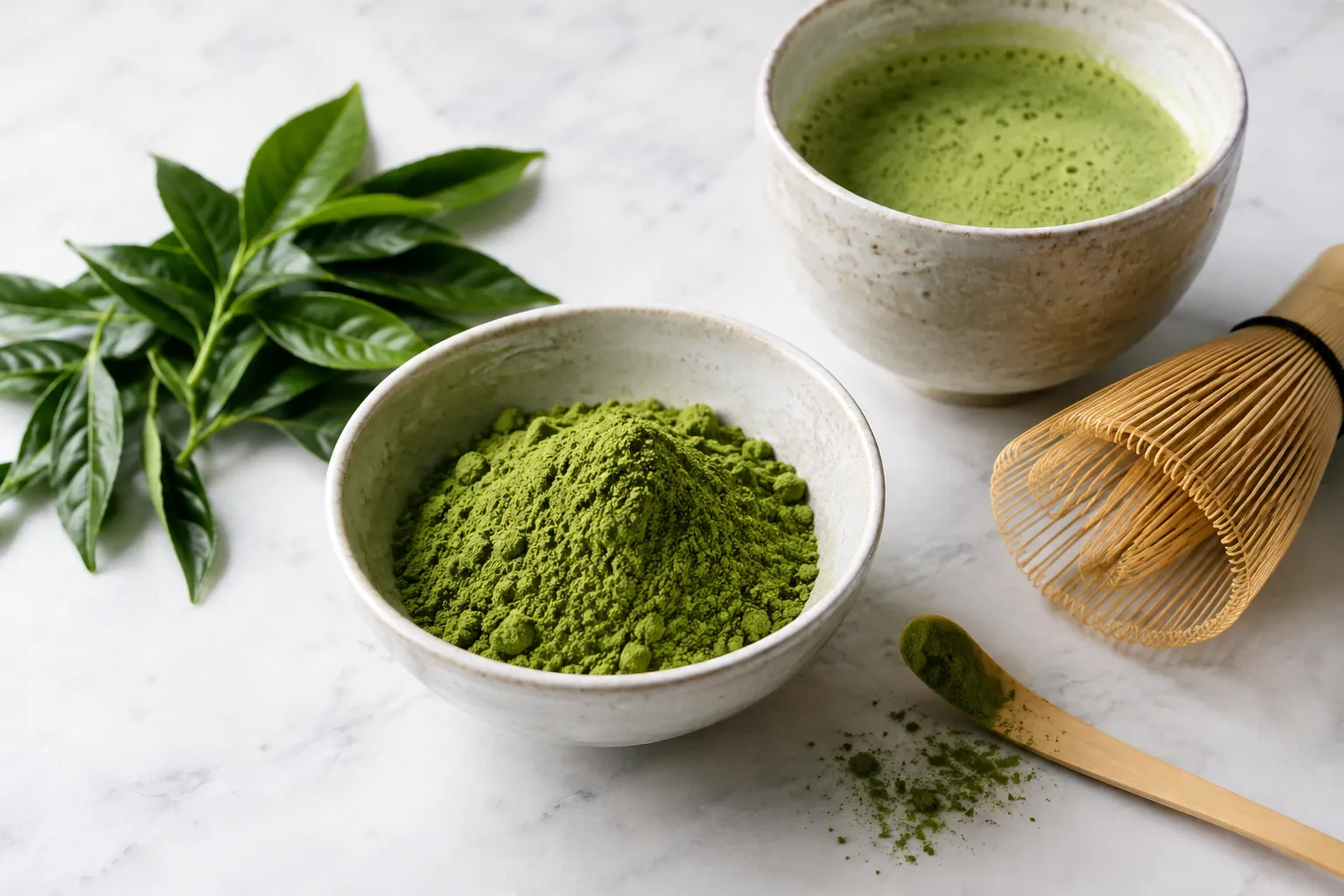
Matcha is made from green tea leaves that are grown, processed, and ground for use as a powder. It is not a blend of tea leaves and sweetener by definition; plain matcha is ground tea. Product labels can help you check whether a powder is plain or includes other ingredients.
People searching “matcha, what is it?” are often trying to understand what makes it different from other green teas. The key distinction is how it is prepared and consumed: matcha is whisked into a drink, while many other teas are brewed by steeping leaves in water.
For a broader look at tea options, you can explore Tealyra’s tea range and compare matcha with other loose-leaf styles.
From shaded tea leaves to matcha powder
Matcha starts with tea plants whose leaves are shaded before harvest. After harvesting, the leaves are steamed and dried, then processed and ground into a fine powder. Shading and processing are part of what distinguishes matcha production from the preparation of many other green teas.
The resulting powder disperses through water when whisked, rather than remaining as whole leaves that can be removed after brewing. That difference helps explain why matcha has a distinct preparation method and why the powder itself is part of the finished drink.
How Matcha Differs From Steeped Tea
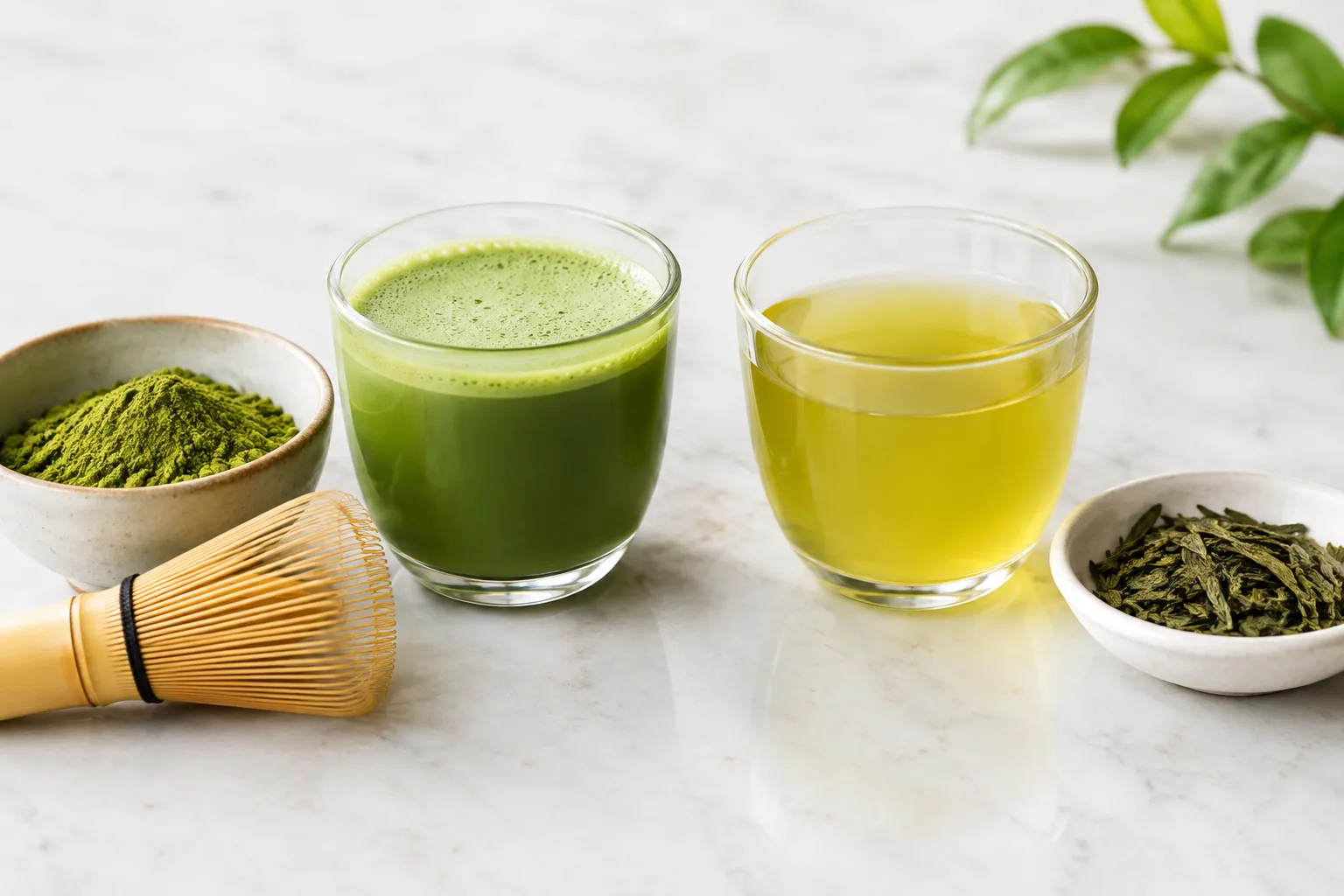
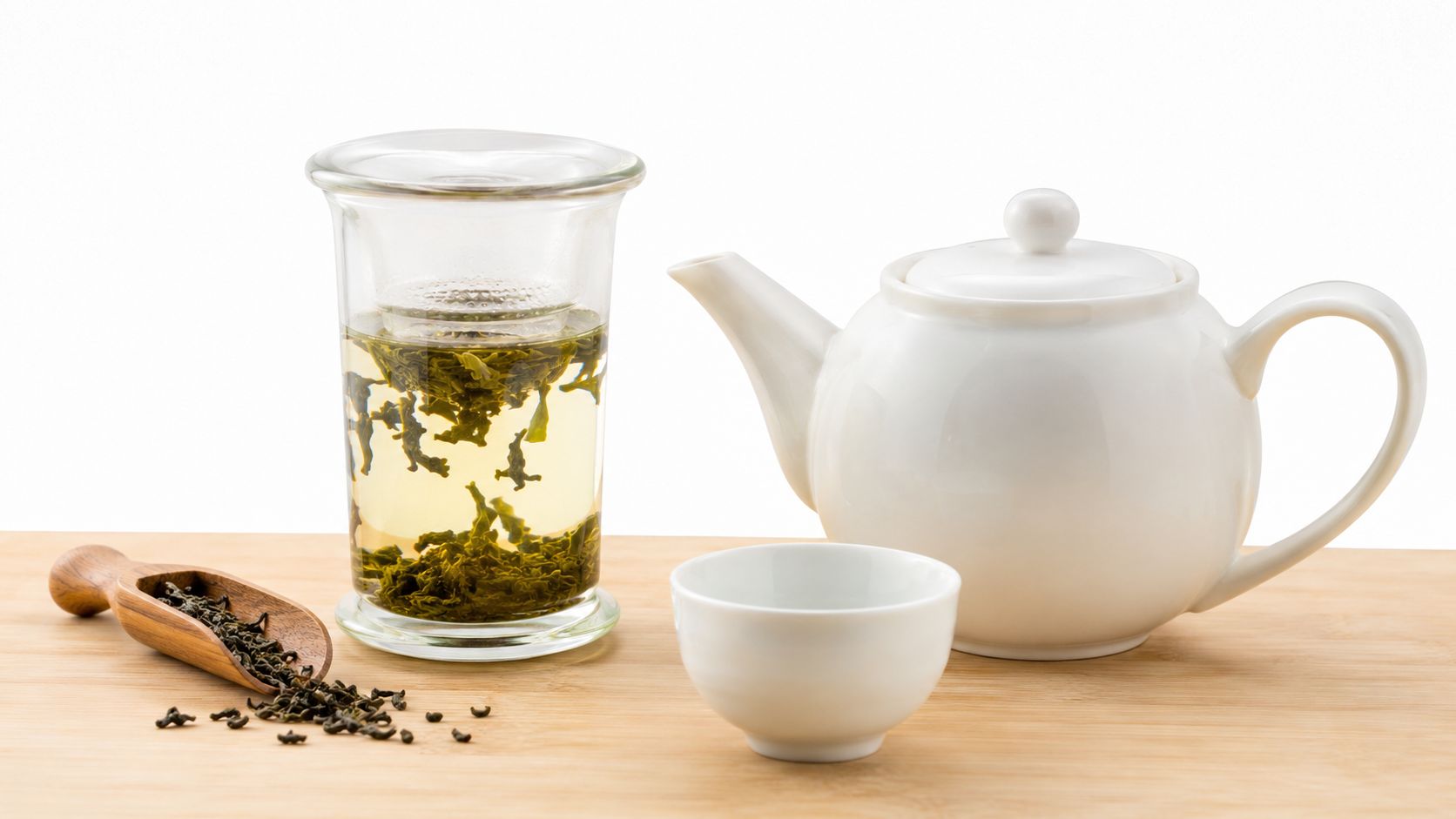
With steeped tea, leaves sit in hot water to infuse it; you then remove the leaves or strain the liquid. With matcha, the powder is mixed into water and consumed as part of the drink. It is not brewed by leaving the powder to steep and then taking it out.
This changes the cup’s texture and preparation. A well-mixed matcha drink may have a fine, slightly creamy texture, while steeped tea is generally a clear infusion. Both are tea, but they are made and enjoyed differently.
Matcha Forms and Product Labels
Matcha is most often sold as powder. Some products are marketed for preparing as a drink, while others are suggested for use in recipes. These labels describe intended uses, but they do not represent a universal grading system shared by every seller.
When comparing matcha teas, read the product description and ingredient list rather than relying on a label alone. Look for how the seller recommends using the powder, whether it is plain matcha, and the package details, such as the amount included.
Matcha for drinking and cooking
Matcha marketed for drinking is intended to be whisked into water or another beverage. Products suggested for cooking can be used in foods such as baked goods, where the tea’s flavor is combined with other ingredients. The best fit depends on what you want to make and the directions on the product.
Check the ingredients to see whether the product is plain matcha or a mix. If you want to taste matcha on its own, a plain powder makes it easier to judge its flavor. For recipes, follow the product description and your recipe’s instructions.
How to Prepare Matcha at Home
A bowl or cup, a small amount of matcha, and water are enough to make a basic drink. A traditional bamboo whisk can be used, but the essential step is mixing the powder evenly so it does not remain in clumps.
Start with the preparation guidance on the package, since recommended amounts and methods can vary. You can adjust the amount of powder and water after tasting your first cup.
Whisking a simple cup
If the powder has clumps, sift it into a bowl or cup first. Add a small amount of water and whisk until it forms a smooth paste. Pour in more water and whisk again until the powder is evenly mixed through the drink.
Whisking in a quick back-and-forth motion can help disperse the powder. If some settles while you drink, give the cup another stir or whisk.
Adjusting the drink to your taste
For a stronger-tasting cup, use more powder or less water; for a milder one, use less powder or more water. Adjust gradually so you can find a balance you enjoy.
You can also mix matcha with milk for a latte-style drink. Unlike loose-leaf tea, matcha powder does not steep and then get removed: it stays in the drink, so whisk or stir it well before serving.
What to Check When Exploring Matcha Products
A product description can help you understand what you are buying. Check whether the powder is intended for drinking, cooking, or both; read the ingredients; and look for origin information and package size if those details matter to you.
Color or a product name alone cannot tell you everything about how a matcha will taste or suit your needs. If freshness is a concern, check the packaging for dates and storage instructions. For value, compare the package amount with the way you expect to use it, rather than judging by the container alone.
If you’re also exploring other tea styles, browse Tealyra’s tea range to see how loose-leaf teas differ from powdered matcha.
Matcha FAQ
Does matcha contain caffeine?
Yes. Matcha contains caffeine because it is made from tea leaves, and you consume the powder rather than removing the leaves after steeping. The amount in a serving can vary with the quantity of powder used.
What does matcha taste like?
Matcha often tastes grassy and vegetal, with a savory or slightly bitter edge. Its flavor varies, so the product description and a small first serving can help you decide whether it suits your palate.
Is matcha naturally sweet?
No. Plain matcha is not naturally sweetened, though its flavor may seem more or less mellow depending on the powder and preparation. Check the ingredients if you want to avoid added sweeteners.
Can you use matcha in baking?
Yes. Matcha can be mixed into recipes such as cakes or cookies, where it contributes tea flavor and color. Check the product description and recipe for guidance on how much to use.
Can you mix matcha with milk?
Yes. Whisk or stir matcha with a little water first to disperse the powder, then add milk. You can serve it warm or cold according to your preference.
How should matcha powder be stored?
Keep matcha sealed and follow the package’s storage directions. A cool, dry place away from strong light and moisture can help protect the powder after opening.
Can you drink matcha every day?
Many people include matcha in a daily routine, but it contains caffeine, so consider your overall caffeine intake and how it affects you. Serving size and personal sensitivity vary.
Is matcha the same as green tea powder?
Matcha is a kind of powdered green tea, but not every green tea powder is made or marketed as matcha. Check the product description to learn how a particular powder is intended to be used.
Choose a Matcha to Explore
Start by deciding whether you want a powder for whisked drinks, recipes, or both. Then review the ingredients, suggested use, package details, and any preparation directions before choosing. A basic whisked serving is a simple way to get acquainted with matcha’s flavor and texture.
To compare matcha with other loose-leaf options, explore Tealyra’s tea range and choose a tea style that fits how you like to brew at home.
Morgan Ellis develops practical tea guides for home brewers, drawing on years of experience researching tea varieties, brewing methods, and accessories. She is especially knowledgeable about loose leaf tea, from choosing a style to adjusting water temperature and steeping time. Her writing turns tea details into friendly, useful advice that readers can apply to their daily routines. She also helps tea lovers explore new flavors with confidence.