 by Tealyra
Does matcha have caffeine, and how much is in a cup?
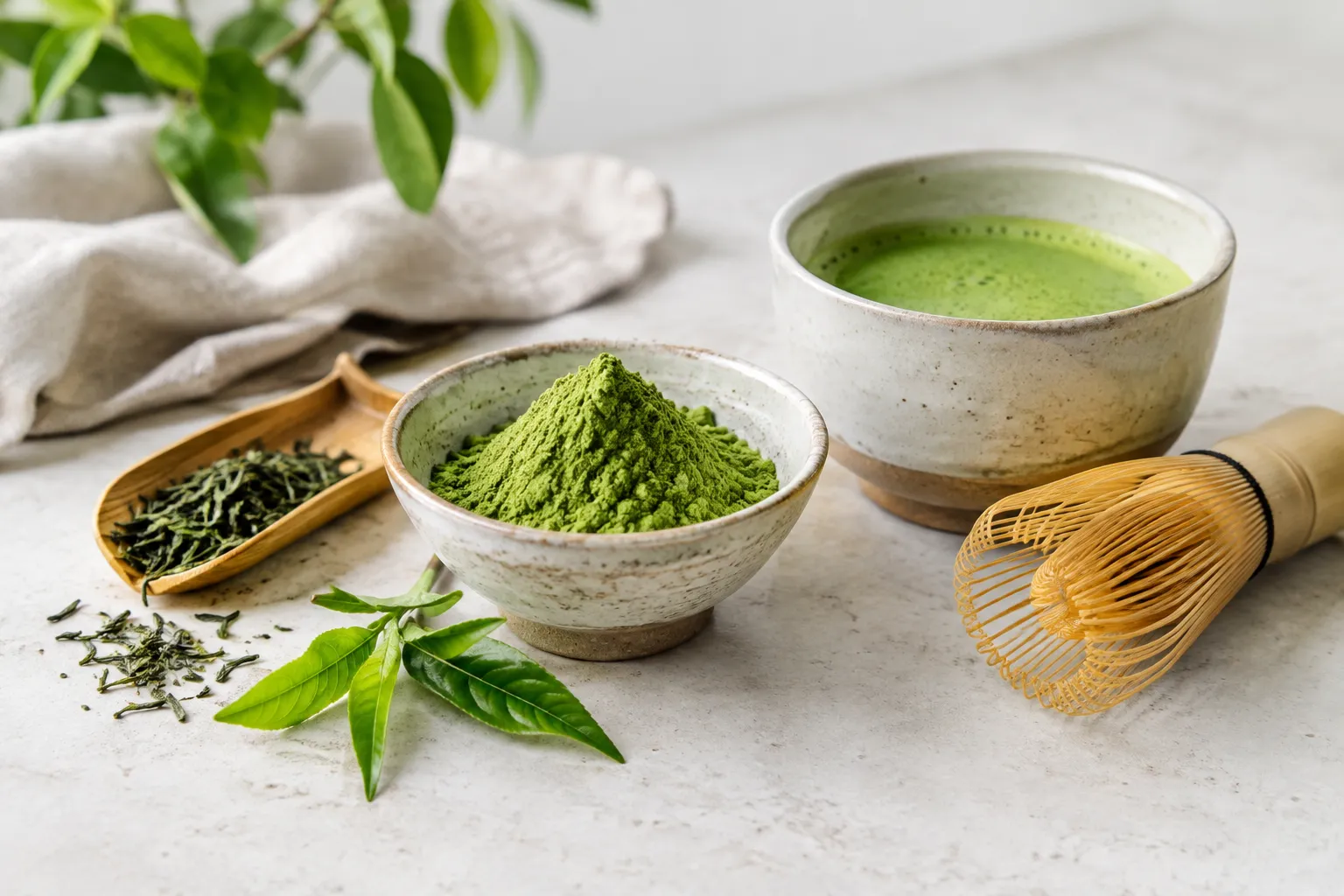
Matcha does have caffeine. Because it is made from finely powdered tea leaves, you consume the leaf itself rather than only drinking water that has been steeped with tea.
In This Article
- Does matcha contain caffeine?
- How much caffeine can a cup of matcha provide?
- How does matcha compare with coffee and green tea?
- How can you find a matcha routine that suits you?
- Recommended next steps
Matcha does have caffeine. Because it is made from finely powdered tea leaves, you consume the leaf itself rather than only drinking water that has been steeped with tea. The amount in a cup can vary with how much powder you use and how you prepare it, so there is no single figure that applies to every serving.
- Matcha contains caffeine, as do other teas made from the tea plant.
- A larger serving or more matcha powder can mean more caffeine in your drink.
- Matcha’s caffeine can be compared with coffee and green tea, but the amounts depend on the specific drink and its preparation.
- If you are sensitive to caffeine, try a modest serving and pay attention to timing.
Does matcha contain caffeine?
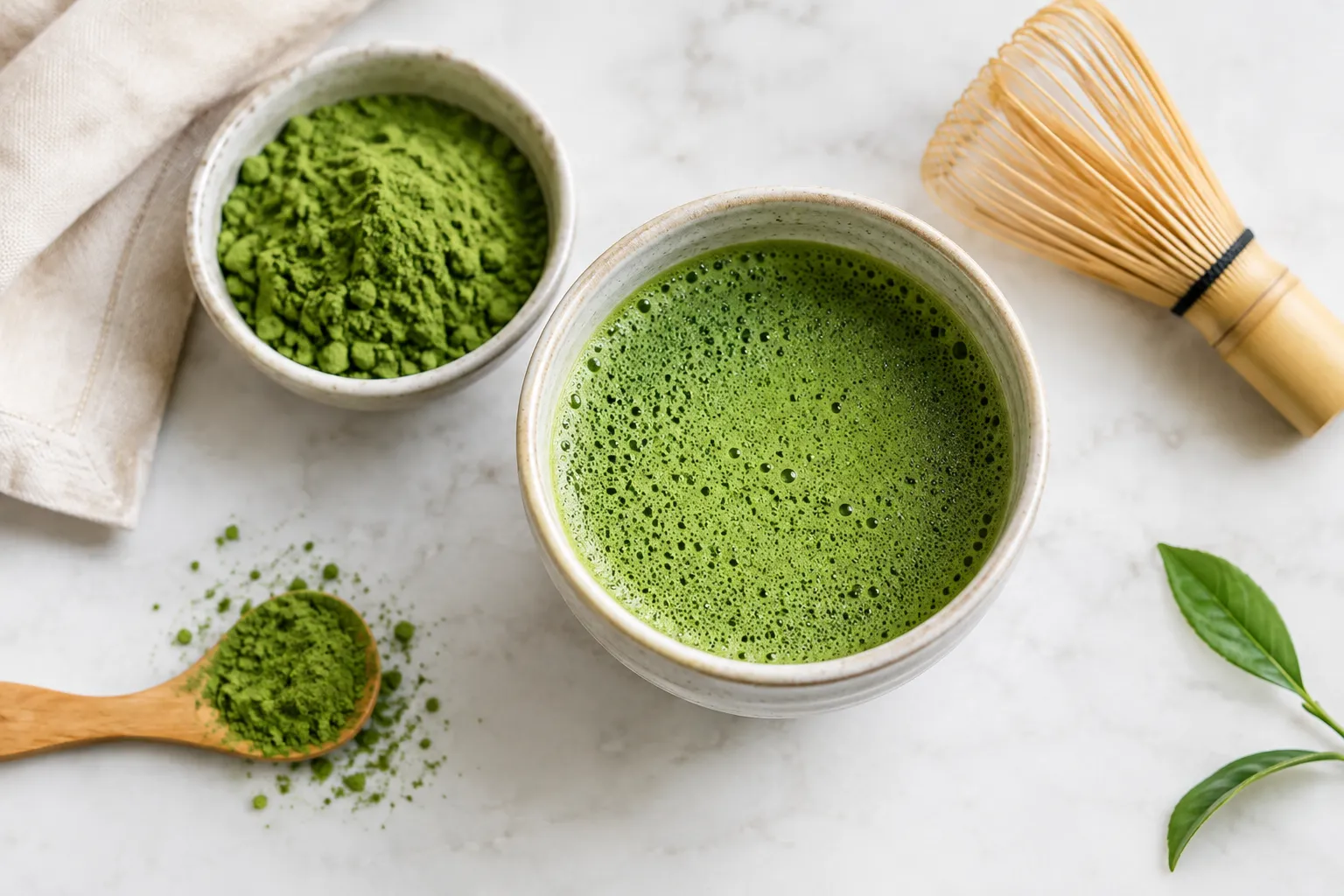
Yes. Matcha contains caffeine because it is made from powdered tea leaves. When you drink it, you consume the powder suspended in the water, rather than removing the leaves after steeping. That is the key difference between matcha and an ordinary cup of steeped green tea.
If you are asking, “does matcha have caffeine?”, the short answer is yes. The phrasing “does matcha contains caffeine” is not grammatically standard, but it points to the same question: matcha does contain caffeine.
The amount in a particular cup is not fixed. Powder amounts, serving sizes, and preparation styles vary, so check the product label or serving guidance when available. If you are exploring tea options after learning about caffeine, you can explore Tealyra’s matcha selection.
How much caffeine can a cup of matcha provide?
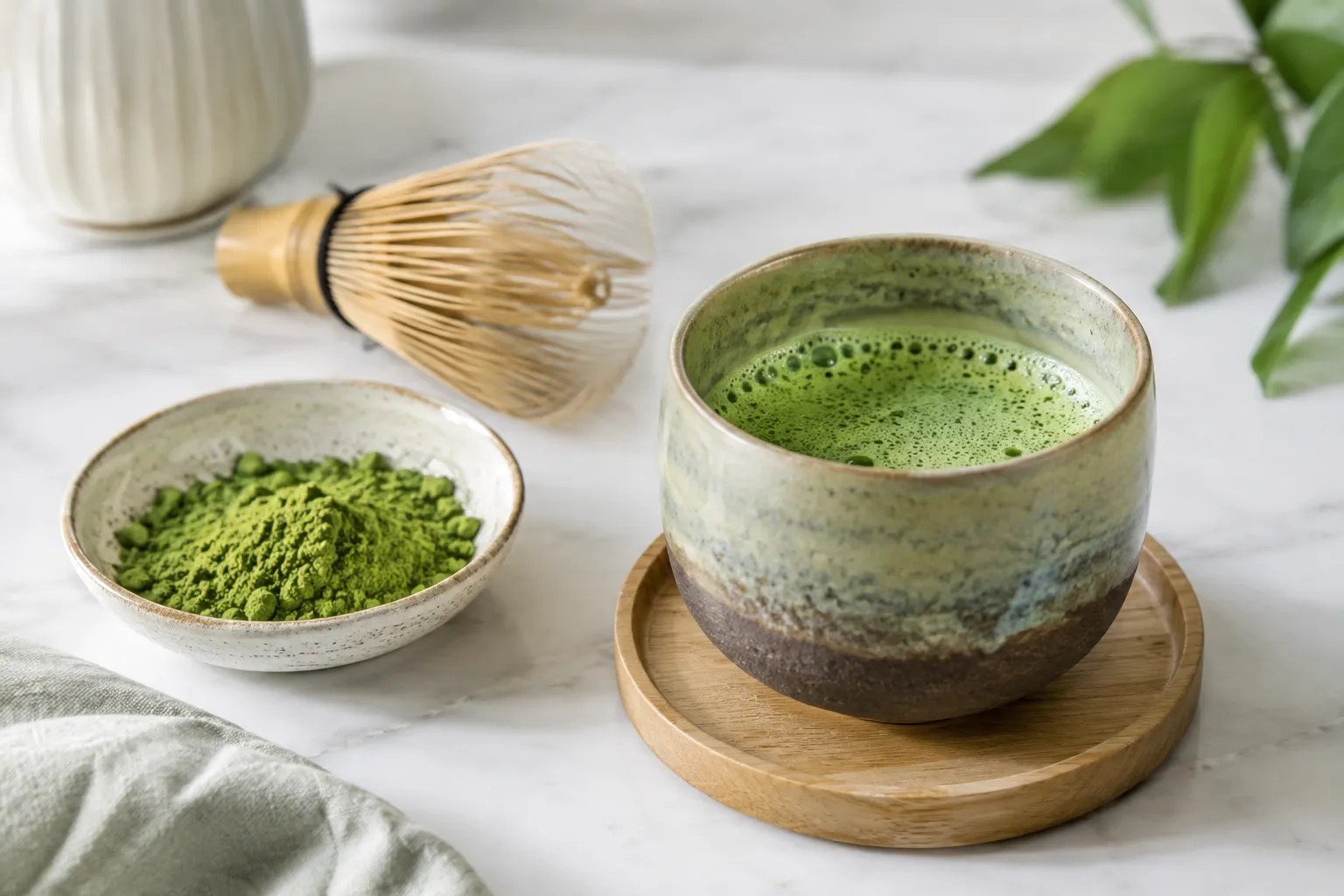
There is no universal caffeine amount for a cup of matcha. The total depends in part on how much powdered tea goes into the drink, as well as the matcha itself. For a basic explanation of the tea and how it is used, read what matcha is made of.
How does serving size affect matcha caffeine?
Using more matcha powder generally increases the amount of caffeine in the finished drink. A larger serving may also contain more caffeine if you add more powder to make it.
Cup size alone does not tell you how much caffeine is present. Two drinks served in similarly sized cups can differ if one contains more matcha powder. For a meaningful comparison, look at the amount of powder used per serving, not just the drink’s volume.
How does preparation change the amount?
The recipe matters because the quantity of matcha powder determines how much tea leaf is in the drink. Adding milk or water changes the drink’s volume and taste, but it does not remove the caffeine already in the matcha.
Matcha preparation also differs from steeping loose tea leaves. With steeped tea, brewing time can affect how much caffeine moves from the leaves into the water. Matcha is already powdered and mixed into the drink, so the amount of powder used is a more direct consideration than steeping time.
How does matcha compare with coffee and green tea?
Matcha, coffee, and steeped green tea all contain caffeine, but a cup’s actual amount varies with the serving and preparation. As a general comparison, matcha may contain less caffeine than a typical cup of brewed coffee, though a strong or larger matcha serving can change the comparison. Matcha is made from green tea leaves, but it is not identical to a cup of steeped green tea because the powdered leaf is consumed.
For a fair comparison, consider the serving size and recipe for each drink. “One cup” can mean different amounts of coffee, tea, water, or powder. Product labels and preparation instructions are more useful than relying on cup size alone.
How can you find a matcha routine that suits you?
Start with a modest amount of matcha powder and notice how the drink affects you. If you are sensitive to caffeine, consider having it earlier in the day, especially if caffeine later on may interfere with your sleep.
You can adjust the amount of powder or the time you drink matcha to find a routine that feels comfortable. Keep in mind that sensitivity differs from person to person, and matcha is not caffeine-free. If you need to limit caffeine for a health reason, follow guidance from a qualified health professional.
Recommended next steps
When choosing matcha, check the serving instructions and the quantity of powder suggested for each cup. These details help you understand how much matcha you plan to use, even when a specific caffeine amount is not listed.
If you are new to matcha, learning what matcha is made of can help you understand the format before deciding how to prepare it. You can also explore Tealyra’s matcha selection as you consider which tea style suits your routine.
Why do I feel high after matcha?
Matcha does not cause a true “high”; the sensation may be a response to caffeine or other individual factors. Caffeine sensitivity varies, so consider using less matcha or avoiding it if the feeling is uncomfortable.
Why is Gen Z obsessed with matcha?
Matcha is popular with many people because it has a distinct flavor, vivid green appearance, and flexible use in drinks and recipes. Its popularity does not mean it suits every taste, so trying a small serving can help you decide.