 by Tealyra
Which matcha grade suits your taste and routine?
Matcha grades can make choosing matcha powder feel more complicated than it needs to be. If you’re wondering which grade of matcha is the best, start with how you plan to drink it: plain, in a latte, or in recipes.
In This Article
- What Matcha Grade Labels Tell You—and What They Don’t
- Match the Grade to How You’ll Drink It
- Use Color, Aroma, and Texture as Clues
- Choose a Matcha That Fits Your Taste and Routine
- Matcha Grade FAQs
- Can matcha keep you awake?
- Can I still drink culinary grade matcha?
- What should you not mix matcha with?
- How much matcha powder should I use for one serving?
- What water temperature is best for preparing matcha?
- How should I store matcha powder after opening?
- How long does matcha powder stay fresh once opened?
- Can I make matcha without a bamboo whisk?
- Explore Your Matcha Options
Matcha grades can make choosing matcha powder feel more complicated than it needs to be. If you’re wondering which grade of matcha is the best, start with how you plan to drink it: plain, in a latte, or in recipes. Labels and sensory clues can help you compare options, but neither tells the whole story.
For broader advice on choosing matcha, see our guides to high-quality matcha powder and high-quality matcha brands.
What Matcha Grade Labels Tell You—and What They Don’t
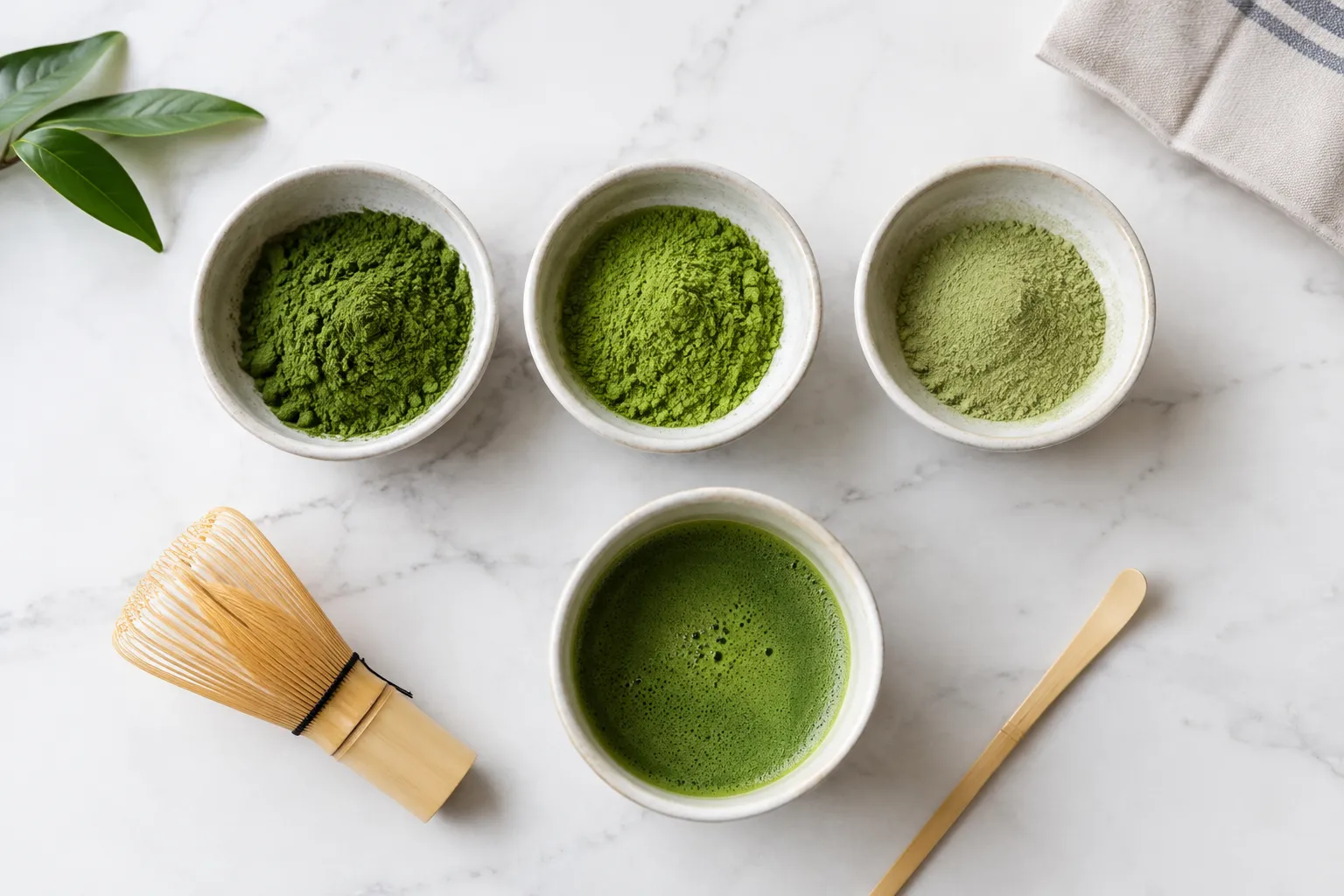
“Ceremonial,” “premium,” and “culinary” are commonly used to suggest how a matcha is intended to be enjoyed. Ceremonial grade matcha is generally presented for drinking with water, while culinary matcha is commonly used in recipes and drinks with other ingredients. “Premium” can be used differently by different sellers, so check the product description rather than assuming it has one standard meaning.
These labels are useful starting points, not a regulated guarantee of flavor, quality, or harvest date. A grade name alone cannot establish when a tea was harvested or how it was handled. For a more complete picture of high-quality matcha, look at the ingredient details, the seller’s description, and any available information about the tea’s origin and date.
The best choice depends on your intended use and taste. If you’re new to matcha, treat this as a practical matcha powder buying guide for tea beginners: choose a style that fits your routine, then assess the details available for that specific product.
Match the Grade to How You’ll Drink It
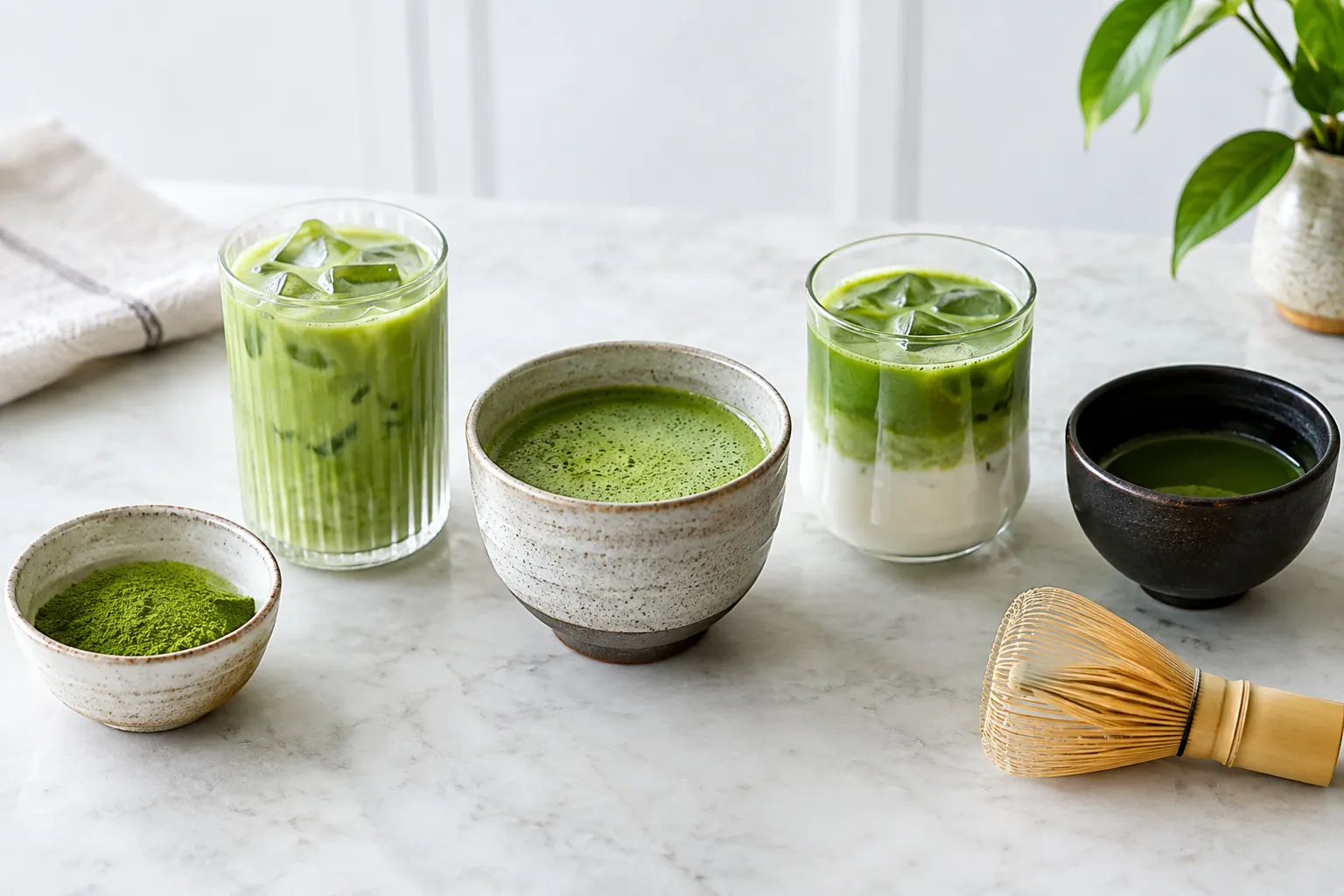
The same powder can taste different depending on how it’s prepared and what it’s served with. Think about your usual cup before choosing a label. That simple step can help you avoid paying for a delicate flavor you plan to cover—or choosing a bolder matcha that tastes too assertive on its own.
For Matcha Served on Its Own
If you plan to whisk matcha with water and sip it plain, look for a description that suggests a smoother, more delicate flavor. Ceremonial grade matcha is commonly positioned for this kind of preparation. Its appeal is that the tea is the focus, without milk or other ingredients changing the taste.
The tradeoff is that a subtle flavor may be less noticeable in a strongly flavored drink. If you are still finding your preferences, check whether the product description gives useful taste cues, such as grassy, savory, or mellow notes, rather than relying on the grade label alone.
For Lattes and Recipes
For matcha lattes or cooking, a more assertive flavor may hold its own alongside milk, sweeteners, or other ingredients. Culinary grade matcha is commonly intended for these uses, though labels and flavor profiles vary between sellers.
This can be a practical fit if you expect to mix matcha often and don’t need every nuance to stand out in plain water. If you want one powder for both plain tea and recipes, weigh the tradeoff: a matcha that suits one preparation especially well may not be your favorite in the other. Browse the Tealyra matcha collection to compare the available descriptions and choose with your preferred preparation in mind.
Use Color, Aroma, and Texture as Clues
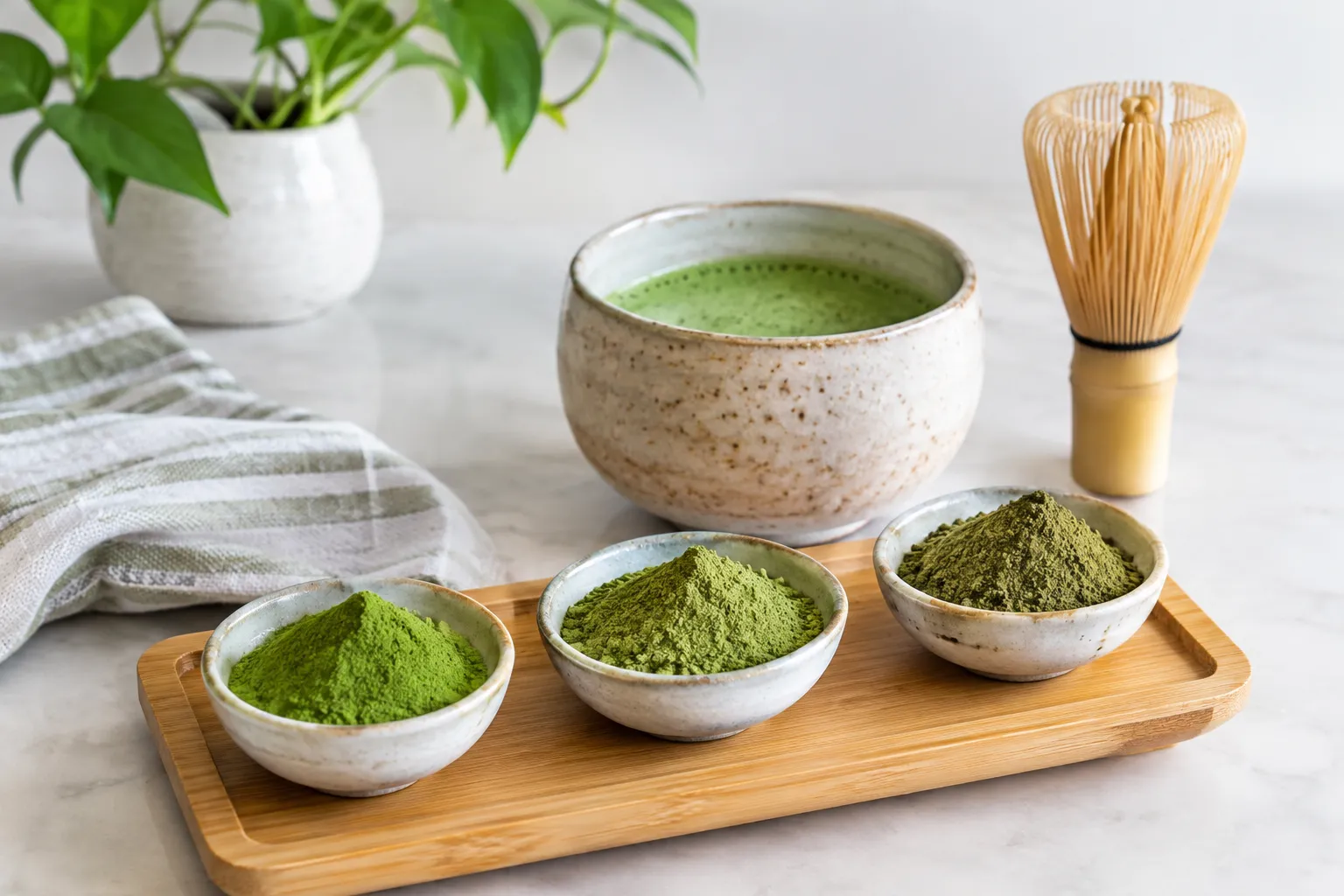
A product description and grade label only tell part of the story. When you can inspect matcha powder, its color, aroma, and texture offer additional clues to compare. Use them together, not as proof that a product is fresh or high quality.
Look for an Even, Lively Green
A bright, even green color can be a useful point of comparison. A dull or uneven appearance may prompt you to look more closely at the product details, but color alone cannot confirm quality, grade, or harvest date. Lighting and product images can also affect how a powder appears on screen.
Use color as one question in your decision: does the product presentation look consistent, and does the description explain what you’re buying? Don’t make a choice on color alone.
Check the Aroma and Fineness
Matcha is typically described as having a fresh, grassy aroma. A fine, smooth powder is also generally desirable for whisking into water. If you can inspect it in person, notice whether the aroma seems pleasant to you and whether the texture looks evenly fine.
These sensory cues can help you decide what you might enjoy, but they are not a guarantee. Online, look for a clear product description and ingredient information, and treat broad claims such as “high quality matcha powder” as a starting point for comparison rather than a substitute for details.
Choose a Matcha That Fits Your Taste and Routine
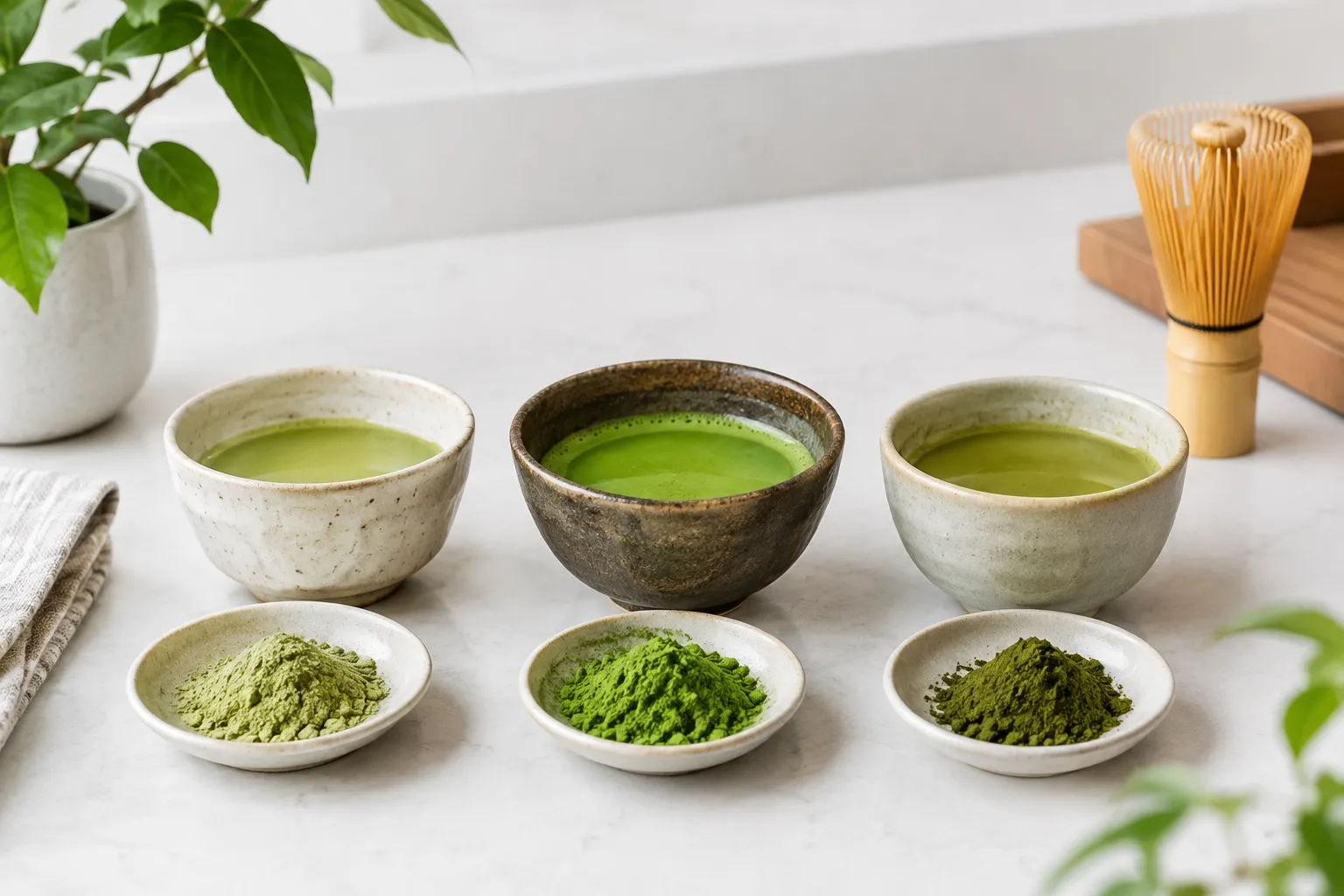
When comparing options, prioritize the details that affect your everyday cup: flavor, preparation, ingredients, and how much you’re likely to use. There is no single grade that suits every drinker. The answer to which grade of matcha is the best is the one that fits your taste and routine.
Check Ingredients, Date Details, and Pack Size
Read the ingredient list and check whether the product is matcha alone or includes other ingredients. If freshness or harvest information is listed, consider it as one useful detail—not a guarantee of flavor or quality. A grade label and green appearance do not prove when the tea was harvested.
Pack size matters, too. A smaller option can be a sensible way to try a matcha before making it part of your daily routine; a larger one may suit someone who already knows they enjoy that style and expects to use it regularly. Compare the available sizes on the product page, and choose based on your likely use rather than assuming a bigger pack is better value.
Your Quick Matcha-Choosing Checklist
Before choosing, ask yourself:
- Will you drink it plain, make lattes, or use it in recipes?
- Do you prefer a delicate taste or a more assertive matcha flavor?
- Does the grade label fit your intended use, while leaving room to check the product details?
- Are the ingredients clearly listed?
- Are harvest or freshness details available, and are you treating them as clues rather than guarantees?
- Does the pack size suit how often you expect to use it?
For plain matcha, start by comparing options described for drinking with water. For lattes and recipes, consider matcha intended for mixing. If you’re undecided, choose based on your most common preparation and look for a pack size that feels manageable to try.
Matcha Grade FAQs
Can matcha keep you awake?
Yes. Matcha contains caffeine, which can make some people feel more alert and may interfere with sleep, especially when consumed later in the day; sensitivity and serving size vary.
Can I still drink culinary grade matcha?
Yes. Culinary grade matcha is still matcha and can be prepared as a drink; its flavor may simply be more assertive than a style chosen for sipping plain.
What should you not mix matcha with?
There is no universal ingredient you must avoid mixing with matcha. Strong flavors can mask its taste, so choose additions based on the flavor you want in your cup or recipe.
How much matcha powder should I use for one serving?
A common starting point is about 1 teaspoon of matcha powder per serving, then adjust to taste. Check the product’s preparation directions if provided.
What water temperature is best for preparing matcha?
Water that is hot but not boiling is a practical starting point; many preparation guides suggest roughly 175°F. Adjust to taste and follow any directions on the product.
How should I store matcha powder after opening?
Keep matcha tightly sealed and away from heat, light, air, and moisture. Follow the product’s storage directions, and avoid leaving the container open while preparing a drink.
How long does matcha powder stay fresh once opened?
There is no single duration that applies to every matcha; storage and packaging affect how its flavor holds up. Follow the product’s date and storage directions, and use your senses to notice changes.
Can I make matcha without a bamboo whisk?
Yes. A small kitchen whisk or a sealed shaker can help mix matcha with water, though the texture may differ. Sifting the powder first can help reduce clumps.
Explore Your Matcha Options
Compare matcha styles and product details to find a powder that suits how you like to prepare and drink it.