 by Tealyra
Choosing high-quality matcha powder for your cup
Matcha is finely ground green tea leaf whisked into water or mixed into drinks. Choosing high-quality matcha powder means looking beyond a vivid color or a “ceremonial grade” label: consider its aroma, texture
In This Article
- What color, aroma, and texture can reveal about matcha
- Read the label beyond “ceremonial grade”
- Match the powder to how you plan to prepare it
- Choose a pack size that fits your routine
- Choose high-quality matcha powder with this checklist
- Matcha FAQs
- Explore matcha for your cup
Matcha is finely ground green tea leaf whisked into water or mixed into drinks. Choosing high-quality matcha powder means looking beyond a vivid color or a “ceremonial grade” label: consider its aroma, texture, ingredient and origin details, intended use, and how much you can use while it is at its best.
A quick comparison:
- For matcha whisked with water, prioritize a flavor and texture you enjoy on their own.
- For lattes and other mixed drinks, consider how the matcha’s flavor will come through alongside other ingredients.
- Treat color, aroma, and fine texture as useful clues—not proof of freshness, quality, or sourcing.
- Choose a pack size that suits how often you make matcha, and check product details for information that matters to you.
What color, aroma, and texture can reveal about matcha
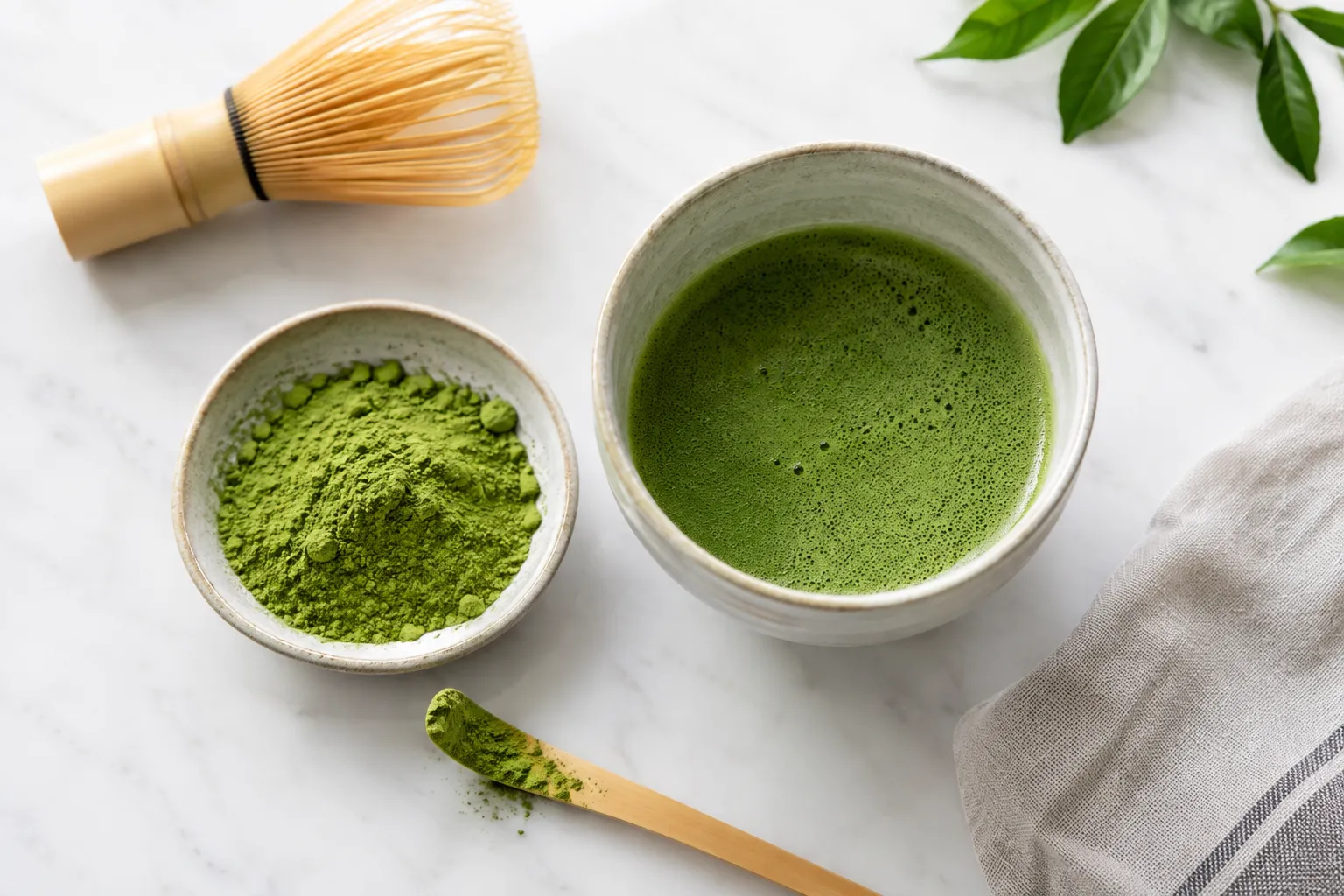
When comparing matcha powder, start with three sensory clues: color, aroma, and texture. Together, they can help you assess what you see and smell, but they cannot establish the full quality or history of a tea.
Color: a useful clue, not a verdict
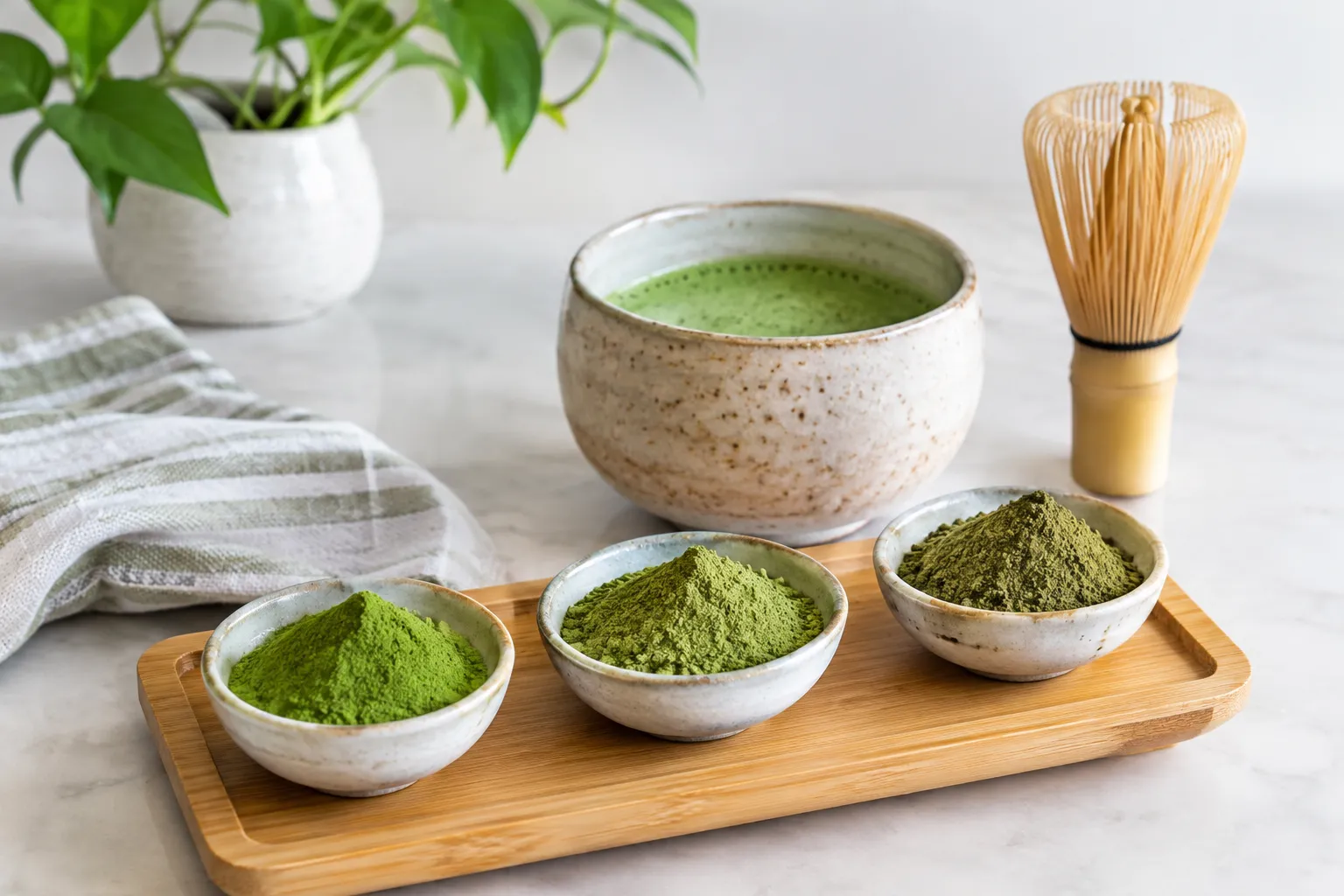
Matcha can range from bright green to duller or more muted shades. A lively green appearance may be appealing, especially when you plan to whisk matcha with water, where the powder is the main ingredient. But lighting, photography, and packaging can affect what color looks like on a screen or through a container.
Color alone does not prove that matcha is fresh, well made, or from a particular source. If a product listing includes clear ingredient and origin information, consider that alongside any photographs rather than using appearance as your only measure of high-quality matcha.
Aroma: consider what you want to taste
Before preparing a cup, notice whether the aroma seems fresh and vegetal, gently sweet, or more subdued. These impressions can help you decide whether the tea sounds appealing, but aroma descriptions are subjective. Your preferences may differ from another drinker’s, and a product description cannot guarantee that you will perceive the same notes.
For matcha whisked straight, aroma matters more because there are few other ingredients to share the cup. If you usually make a latte, a subtler aroma may matter less than whether the flavor works with your chosen milk or sweetener.
Texture: look for a fine, even powder
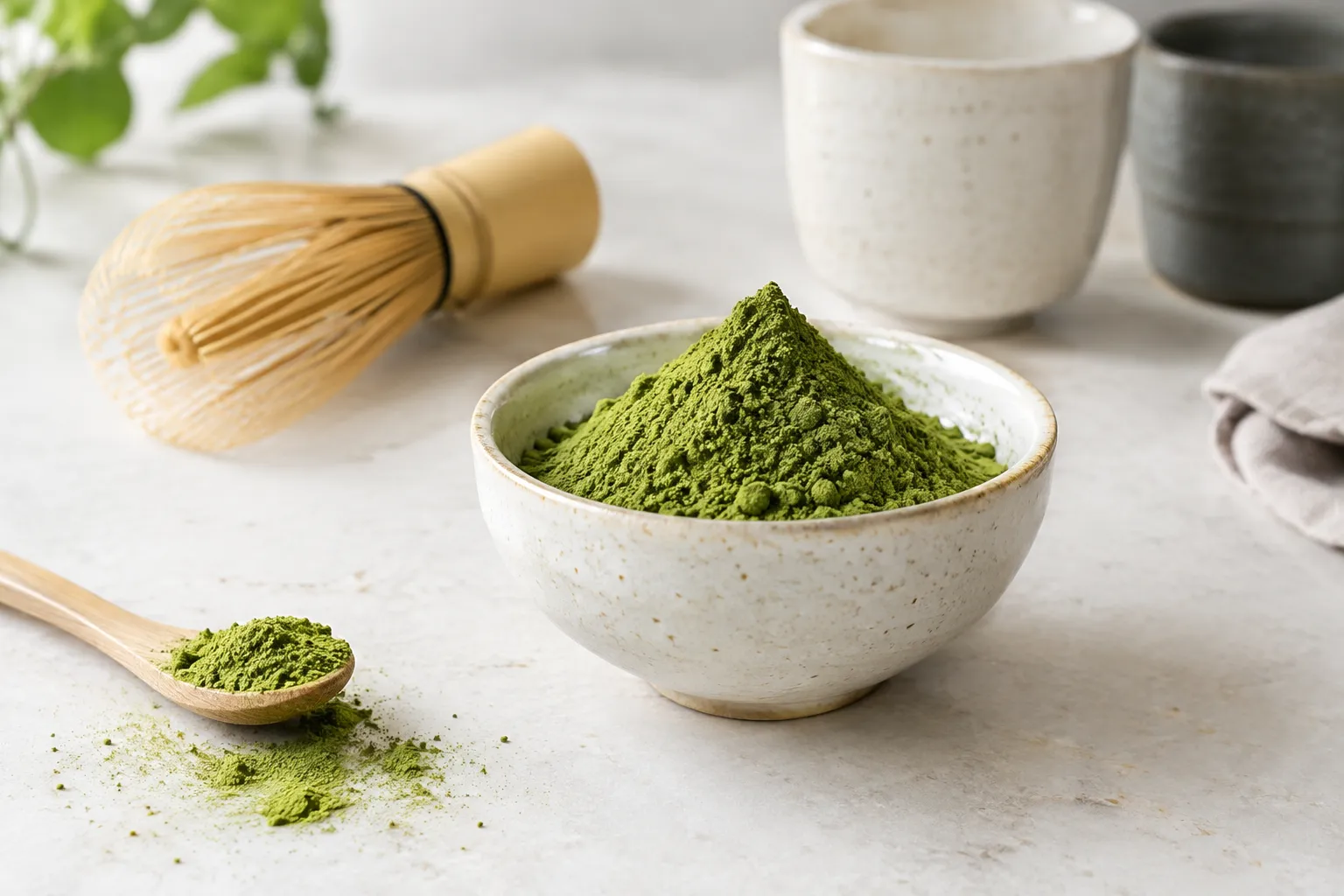
Matcha is a finely ground powder. A fine texture can make it easier to whisk into water, although sifting may still help break up clumps. If the listing does not describe the powder’s texture, avoid assuming you can determine it from a product photo.
These clues work best together: a color that appeals to you, an aroma that sounds inviting, and a fine powder are helpful signs to consider. None can confirm freshness or sourcing by itself, so check the label and product information too.
Read the label beyond “ceremonial grade”
“Ceremonial grade matcha” is common marketing language, but the term is not a universal guarantee of flavor, freshness, or production standards. Treat it as one detail to consider, not a substitute for reading the rest of the label.
Look for the following:
- Ingredients: Check whether the product is matcha alone or includes other ingredients. This matters if you want pure matcha powder for whisking or prefer a prepared blend.
- Origin: See whether the listing names where the tea was produced. Origin can help you compare products, but a place name alone does not tell you how a particular matcha will taste.
- Harvest or packing information: If freshness matters to you, check whether the product page or packaging includes a harvest date, packing date, or another date relevant to the tea’s timeline. A date can help you ask a more specific question; it does not independently prove quality.
- Storage guidance: Follow any storage instructions on the package. Matcha is sensitive to air, light, heat, and moisture, so careful storage after opening matters.
- Preparation suggestions: Check whether the product is described for whisking with water, mixing into drinks, or both.
Transparency can make it easier to compare products and decide what you are comfortable buying. If a detail you care about is not clear, look for it on the product page or ask the retailer before ordering. A specialty tea shop may provide useful product information, but buying from a particular type of seller is not, on its own, a guarantee of quality or careful storage.
If you are exploring different tea types as well, browse Tealyra’s matcha selection or compare it with the broader green tea collection.
Match the powder to how you plan to prepare it
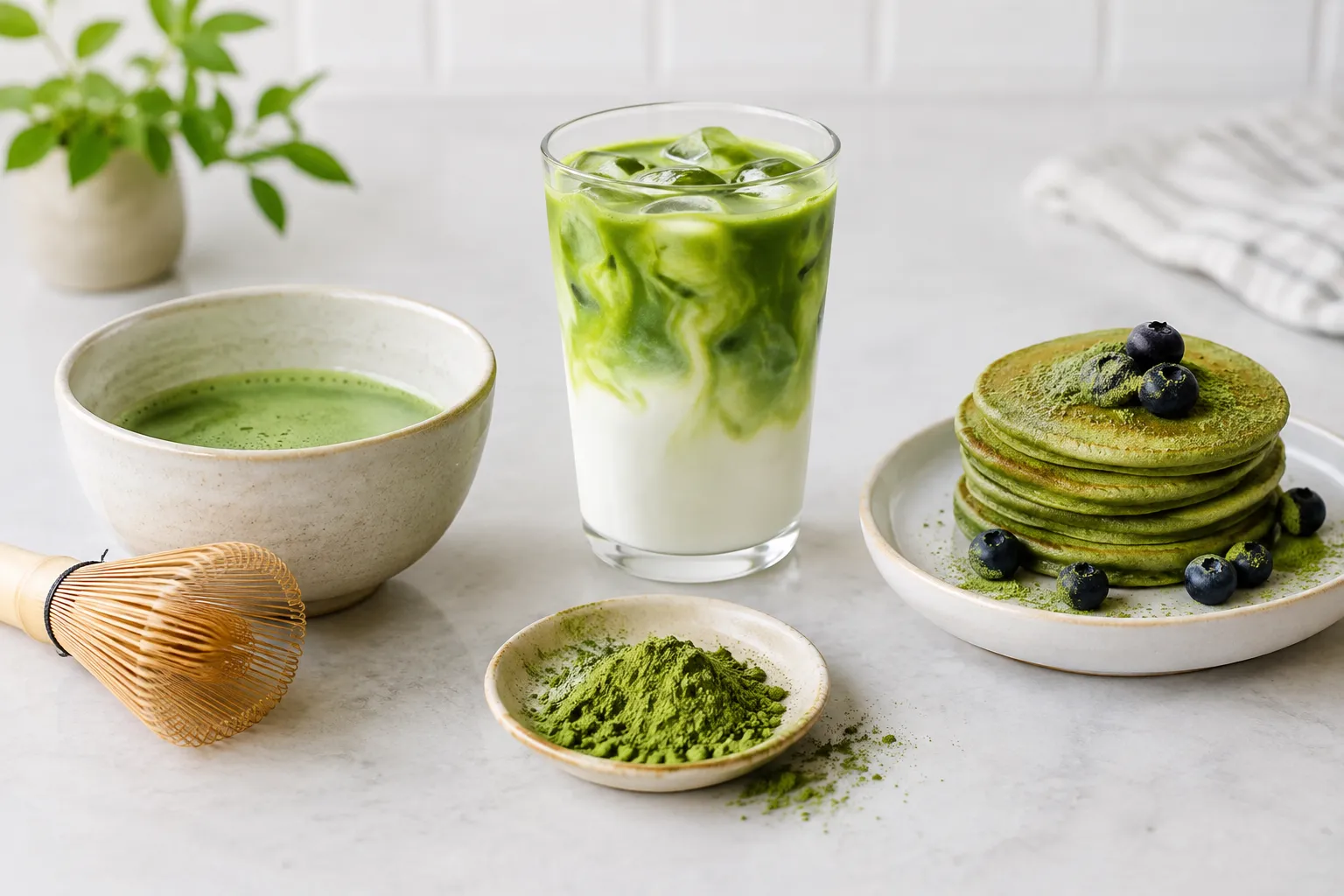
The best fit depends in part on how you intend to use the matcha. A powder that you enjoy whisked with water may not be the one you would choose for a drink with milk, and the reverse can be true too.
If you plan to whisk it with water
When matcha is prepared on its own, you will notice its flavor and texture directly. Consider the aroma and flavor cues in the product description, and whether they sound like a match for your preferences. Some people enjoy a more vegetal taste; others look for a softer or sweeter impression. Descriptions can guide you, but personal taste is the final test.
A product labeled ceremonial grade may be presented for traditional whisking, but the label does not guarantee that you will prefer its flavor. Compare the details and, if available, choose a pack size that lets you try it without committing to more than you are likely to use.
If you plan to make lattes or other drinks
In a latte or mixed drink, matcha shares the cup with other ingredients. You may prefer a powder whose flavor remains noticeable alongside milk or other additions. Product descriptions may indicate suggested uses, but they cannot predict exactly how the matcha will taste in your recipe.
For cooking or baking, consider whether you want matcha’s flavor to be prominent in the finished dish. A product intended for whisking straight may still be used in recipes, but whether that makes sense for your budget depends on how much you use and what you want the result to taste like.
Let your routine guide the choice
If you usually drink matcha straight, make that your main comparison: look for powder and flavor details that appeal to you without additions. If you mostly make lattes, focus on how you want the matcha to work in that drink and how often you will use it. When you enjoy both, consider starting with an amount that suits your routine before buying a larger pack.
Choose a pack size that fits your routine
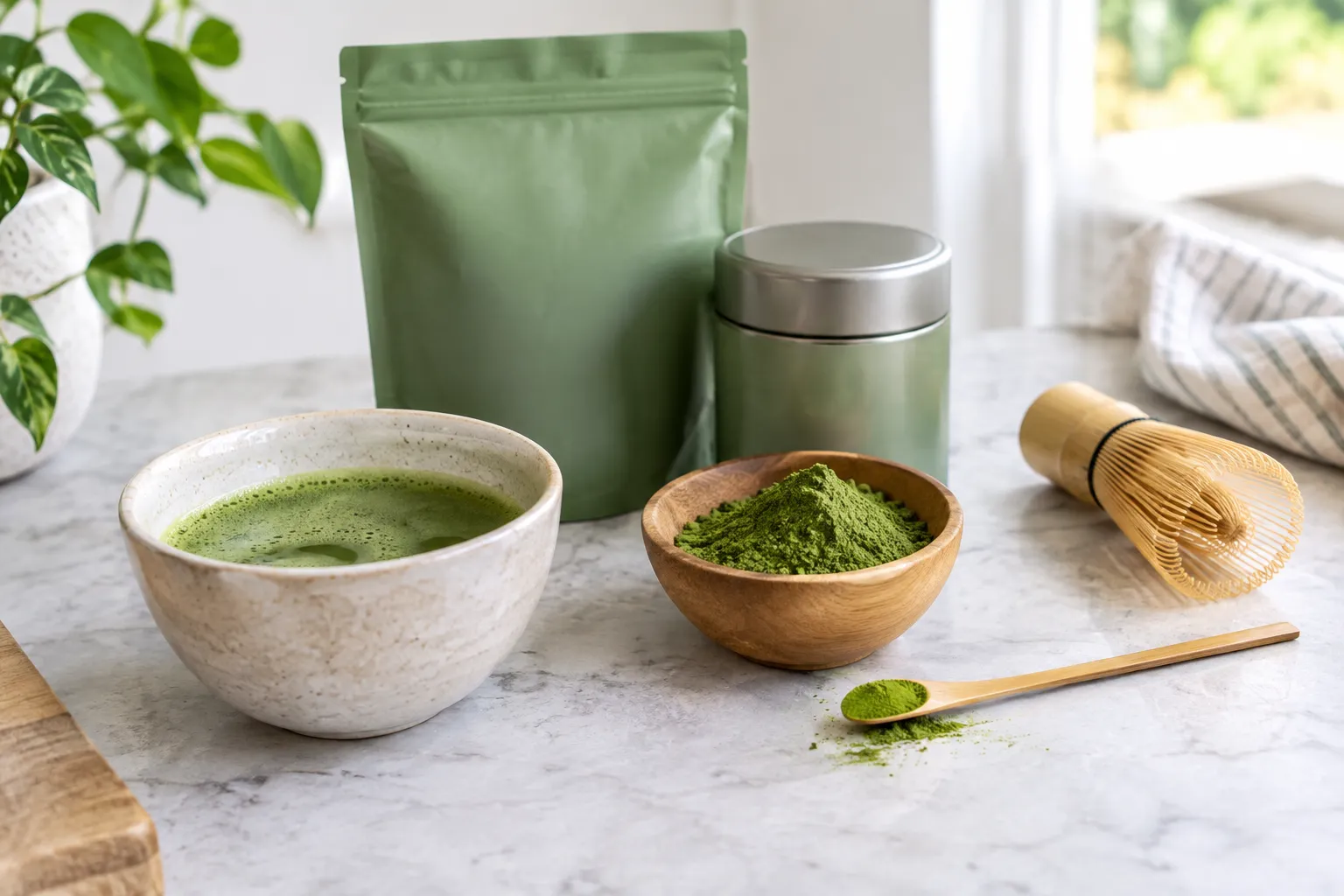
Pack size affects how easily you can finish matcha after opening it. A smaller amount may suit an occasional drinker or someone trying a new powder. A larger pack may fit a routine that uses matcha often, provided you can store it carefully and use it before its flavor becomes less appealing.
There is no single ideal pack size for everyone. Estimate how often you prepare matcha and how much you typically use per serving, then consider how quickly you would go through the package. If you make it only now and then, a large pack may be less convenient even if it appears to offer more tea.
After opening, close the package securely and follow the product’s storage directions. Keep matcha away from moisture, heat, and strong light, and avoid leaving it open while preparing a drink. Storage cannot reverse changes that have already occurred, so buying an amount that fits your use is a practical way to reduce the time an opened pack sits unused.
When comparing options, check the quantity shown on the product page and consider the likely number of servings based on your own preparation. Do not choose by pack size alone: flavor, intended use, and the information you want about the tea still matter.
Choose high-quality matcha powder with this checklist
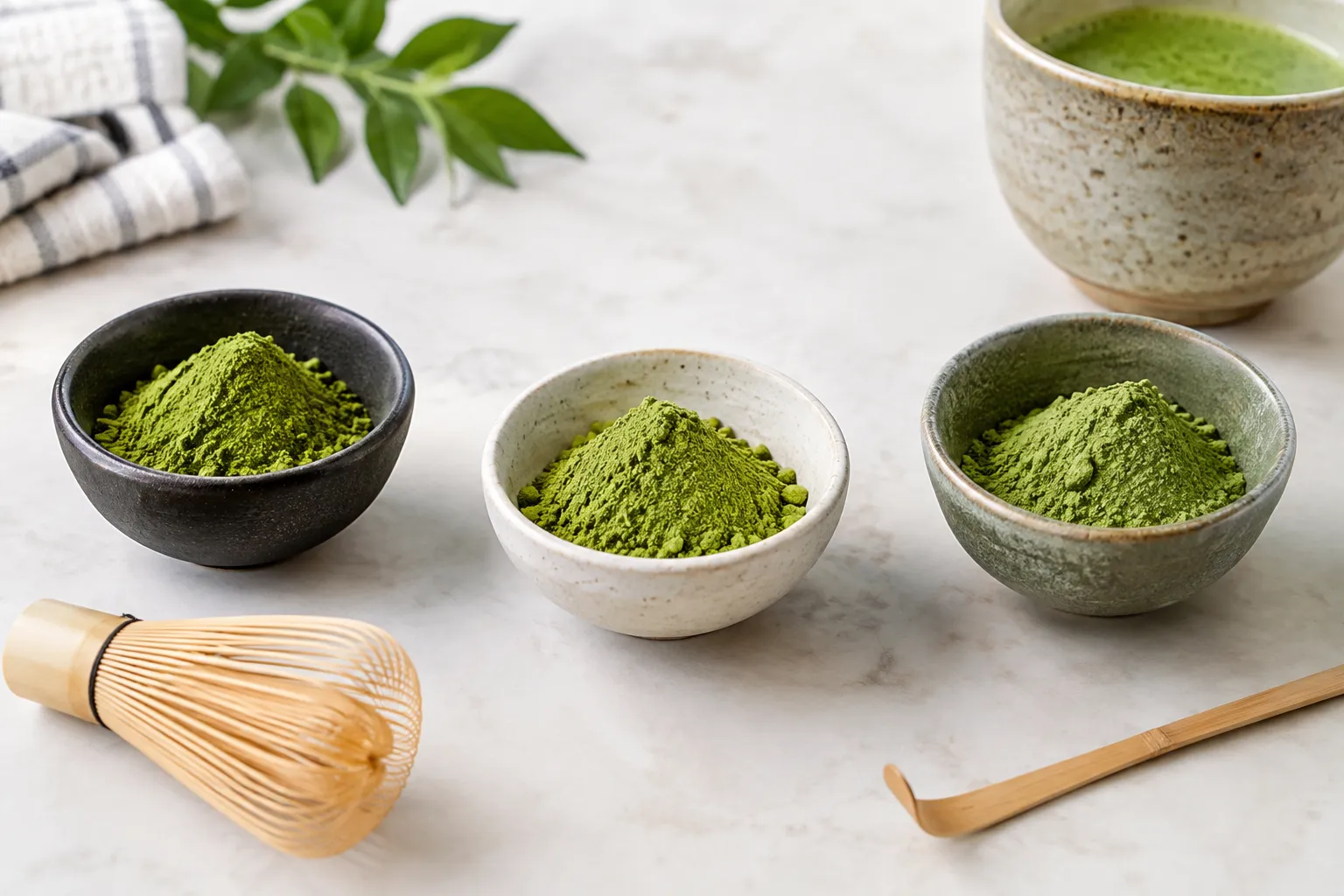
Use this checklist to compare matcha powders without relying on one label or visual cue:
- Decide how you will prepare it: whisked with water, mixed into lattes, or used in recipes.
- Check the ingredient list to confirm whether you are choosing matcha alone or a blend.
- Look for origin details and any harvest, packing, or storage information that matters to you.
- Treat “ceremonial grade” as a product description, not a guarantee.
- Consider the color, aroma, and texture as helpful clues, not proof of freshness or sourcing.
- Read the flavor description and decide whether it sounds suited to drinking straight or combining with other ingredients.
- Compare the pack size with how often you make matcha and how quickly you expect to use it.
- Review the preparation and storage directions before buying.
- If an important detail is unclear, check the product page or ask the seller rather than guessing from a photo.
This approach keeps the decision practical: choose a powder whose listed details fit your priorities, whose likely flavor suits your usual drink, and whose quantity fits your routine.
Matcha FAQs
What are high quality matcha brands?
Compare sellers by the product information they provide, including ingredients, origin, intended preparation, and storage guidance. A brand name or grade label alone cannot establish that a matcha will suit your taste.
How to pick the best matcha powder?
Choose matcha powder for your usual preparation, then compare its ingredient and origin details, flavor description, pack size, and storage instructions. Color and aroma can help, but neither proves quality or freshness.
What is matcha made from?
Matcha is made from green tea leaves ground into a fine powder. The powder is whisked into water or added to drinks, so it is consumed rather than steeped and removed like loose leaf tea.
Is matcha the same as powdered green tea?
Matcha is a type of powdered green tea, but not every green tea powder is matcha. Check the product description and ingredients instead of assuming that any green powder is prepared or made the same way.
Does matcha contain caffeine?
Yes. Matcha contains caffeine because it is made from green tea leaves, and the amount in a serving can vary with the quantity of powder used and the product.
Can matcha powder be used in baking?
Yes. Matcha powder can be added to baked goods, though the amount and flavor depend on the recipe. Consider whether you want the matcha taste to stand out among the other ingredients.
How much matcha powder goes into one serving?
A common starting point is about 1 to 2 grams of matcha per serving, adjusted to taste and the preparation method. Check the product’s directions if they provide a suggested amount.
Can you prepare matcha without a bamboo whisk?
Yes. A small kitchen whisk, frother, or tightly sealed jar can help mix matcha with water. Sifting the powder first can help reduce clumps, whatever mixing method you use.
Explore matcha for your cup
Compare loose leaf tea options and choose a matcha that suits how you like to prepare it, from whisked cups to mixed drinks.