 by Tealyra
Six signs that matcha powder may be high quality
Matcha can look impressive on a product page and still disappoint in the cup. To judge how to tell if matcha powder is high quality, consider several clues together: its color, aroma, texture, ingredient list
In This Article
- Check the powder’s color and consistency
- Notice the aroma, taste, and texture
- Read the ingredients and freshness details
- Choose matcha for plain tea or lattes
- Matcha Powder FAQs
- How can I tell if matcha powder is real or fake?
- What to look for when buying matcha powder?
- Which brand of matcha powder is considered the best?
- What is the best grade of matcha powder?
- What is the best high-quality matcha powder?
- What grade of matcha do coffee shops use?
- How should I store matcha powder after opening?
- How soon should I use matcha powder after opening?
- Browse Tealyra matcha options
Matcha can look impressive on a product page and still disappoint in the cup. To judge how to tell if matcha powder is high quality, consider several clues together: its color, aroma, texture, ingredient list, freshness information, and fit for the way you plan to prepare it. No single grade label or visual cue can guarantee quality.
Check the powder’s color and consistency
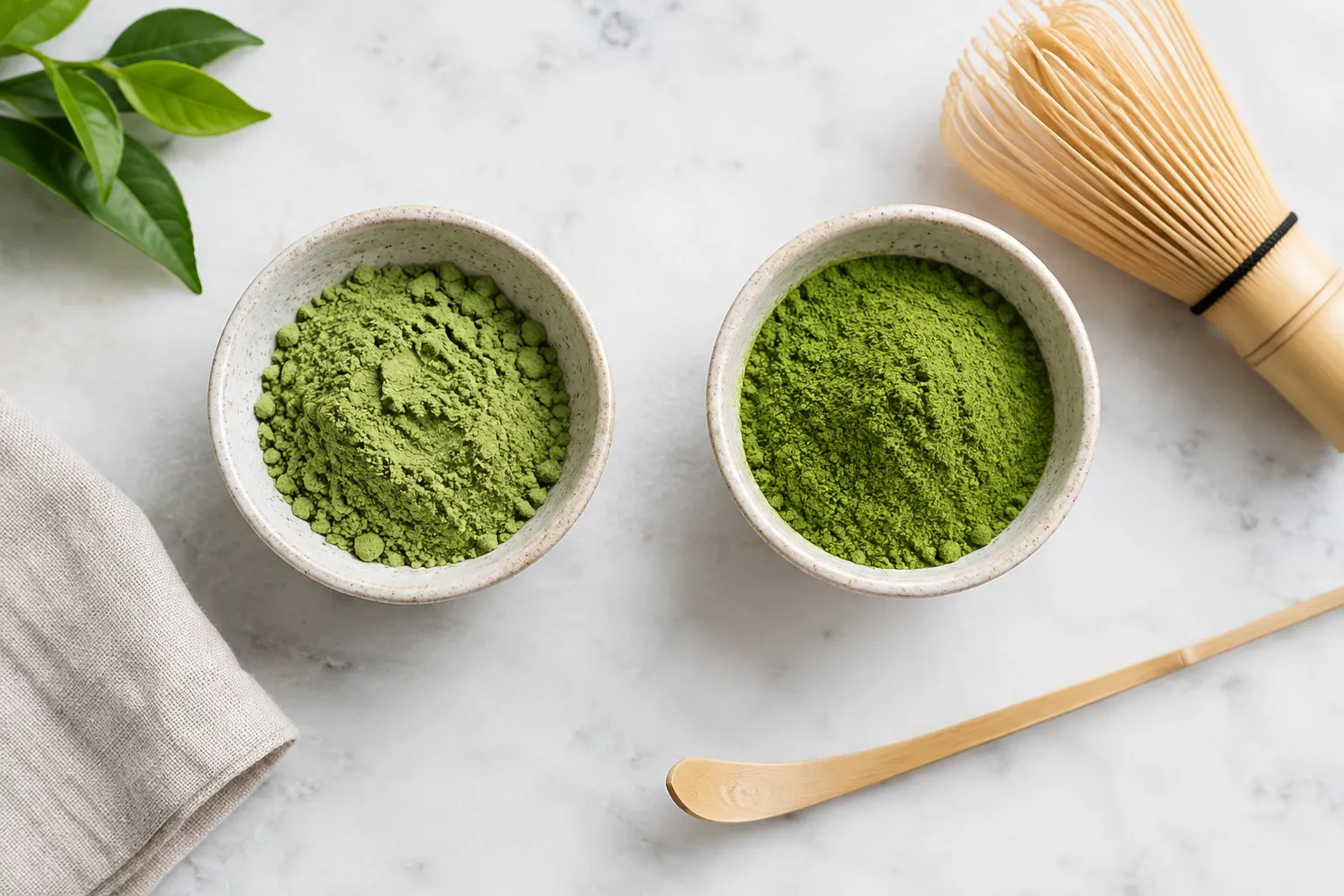
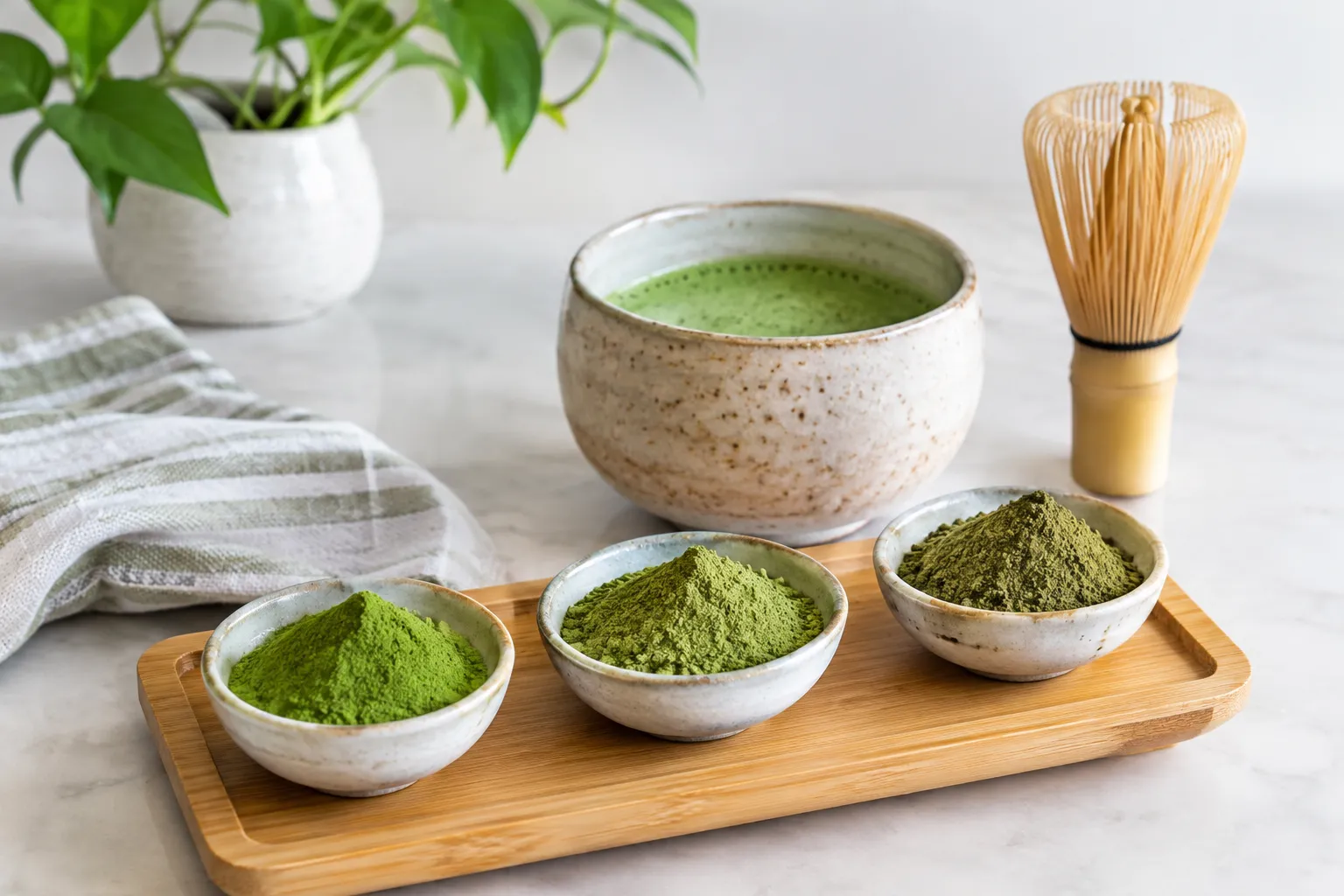
- Look for an even, lively green color. A vivid green appearance can be a useful first clue when comparing matcha powders, particularly if you plan to drink the tea plain. A dull or yellowish cast may be a reason to look more closely, but color alone cannot confirm how fresh a powder is or how it will taste.
- Check for a fine, uniform texture. Matcha is powdered tea, so a consistently fine powder is generally more promising for whisking smoothly than one with visible coarse pieces or clumps. Clumping can also relate to moisture or storage, so it is not a standalone verdict.
When considering how to compare matcha powder color, aroma, and texture, treat all three as clues rather than a pass-or-fail test. Product photos can help you compare listed options, but images vary with lighting and screens. If you can inspect an opened package, look at the powder in natural light and note whether its appearance is even.
Color is especially easy to overvalue. A bright green shade does not prove that a matcha is fresh, carefully stored, or right for your taste. If the product description uses terms such as ceremonial grade matcha, read the full listing too; the label does not replace details about ingredients, packaging, or intended use.
For a broader range of options, explore Tealyra’s matcha and compare the product details rather than choosing by color claims alone.
Notice the aroma, taste, and texture
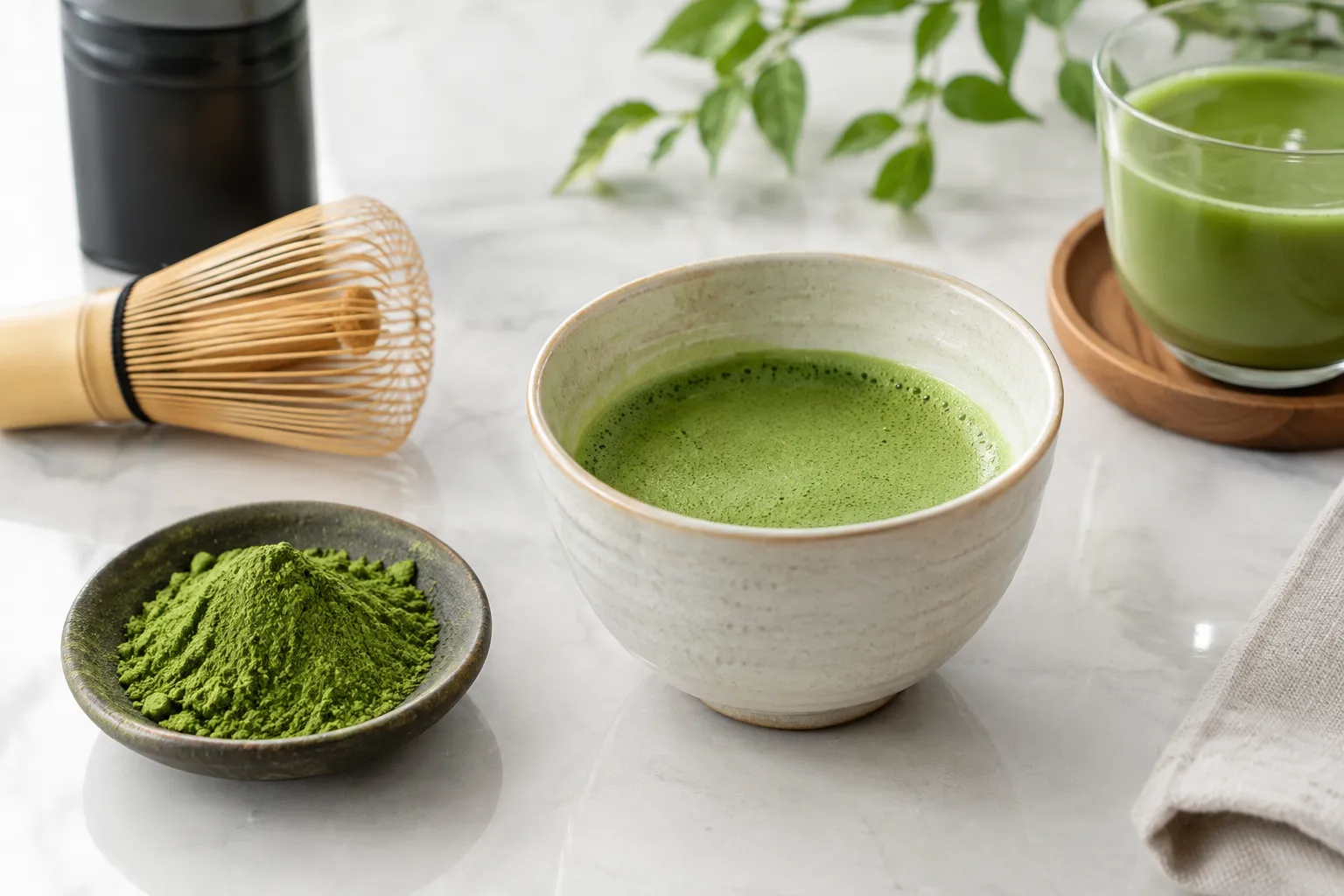
- Consider the aroma. A pleasant, fresh-smelling tea aroma can make a powder more appealing; a stale, flat, or unpleasant smell is a reason to pause. Aroma descriptions on listings can provide a guide, but your own impression after opening the package is more useful for deciding whether you enjoy it.
- Pay attention to the flavor. Matcha can taste grassy and vegetal, and some powders may have a more rounded or savory character. Preferences differ, so “high quality matcha” does not mean one exact flavor profile. If you dislike a strong vegetal taste, a powder with a gentler description may suit you better than one promoted for a bold, pronounced flavor.
- Notice how it feels in the cup. A very fine powder is more likely to whisk into a smooth drink than a coarse one, though preparation also matters. Sifting and whisking can help reduce clumps. A gritty result may reflect the powder, the method, or both, so consider how it was prepared before making a judgment.
These clues work best together. A pleasant aroma, a flavor you enjoy, and a fine texture can make matcha a better fit for your routine than a label alone. To tell if matcha powder is high quality for your preferences, compare how it performs in the preparation you actually use.
Read the ingredients and freshness details
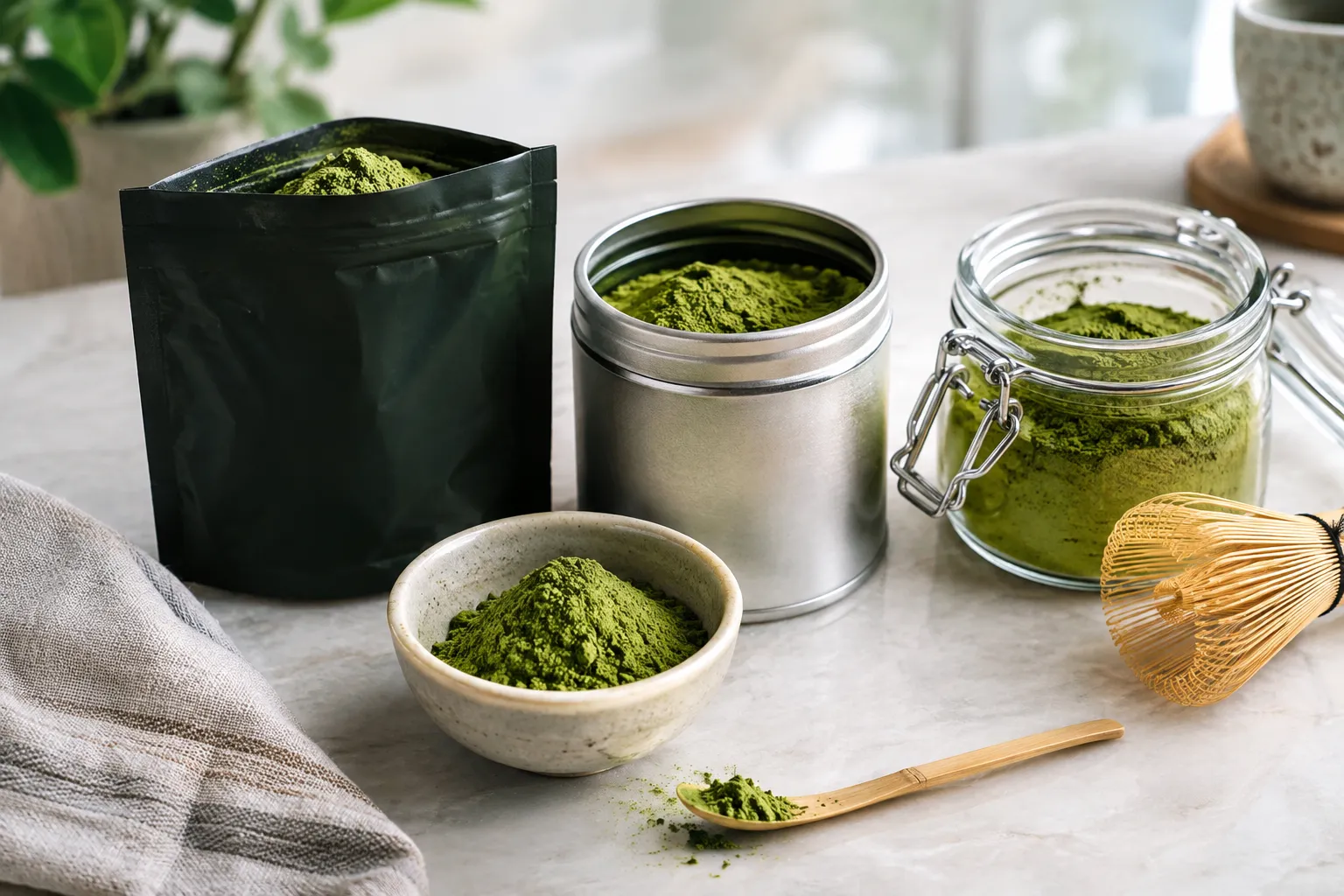
- Check what is in the package and what the listing says about it. For plain matcha, look for matcha as the only ingredient. If the product is a blend, read the full ingredient list so you know what else is included.
Then look for practical package information: the net weight, container type, storage guidance, and any stated best-by or harvest details. Clear information helps you compare products and plan how much to buy. Harvest information can be useful when available, but its absence alone does not prove that a powder is poor quality.
Terms such as “ceremonial grade matcha” can help describe how a seller presents a product, but grade terminology is not a universal guarantee of freshness, flavor, or performance. Read the details alongside any origin or grade claims, and use color, aroma, and texture as additional cues. For more on comparing labels and sellers, see our practical guide to high-quality matcha brands.
Choose matcha for plain tea or lattes
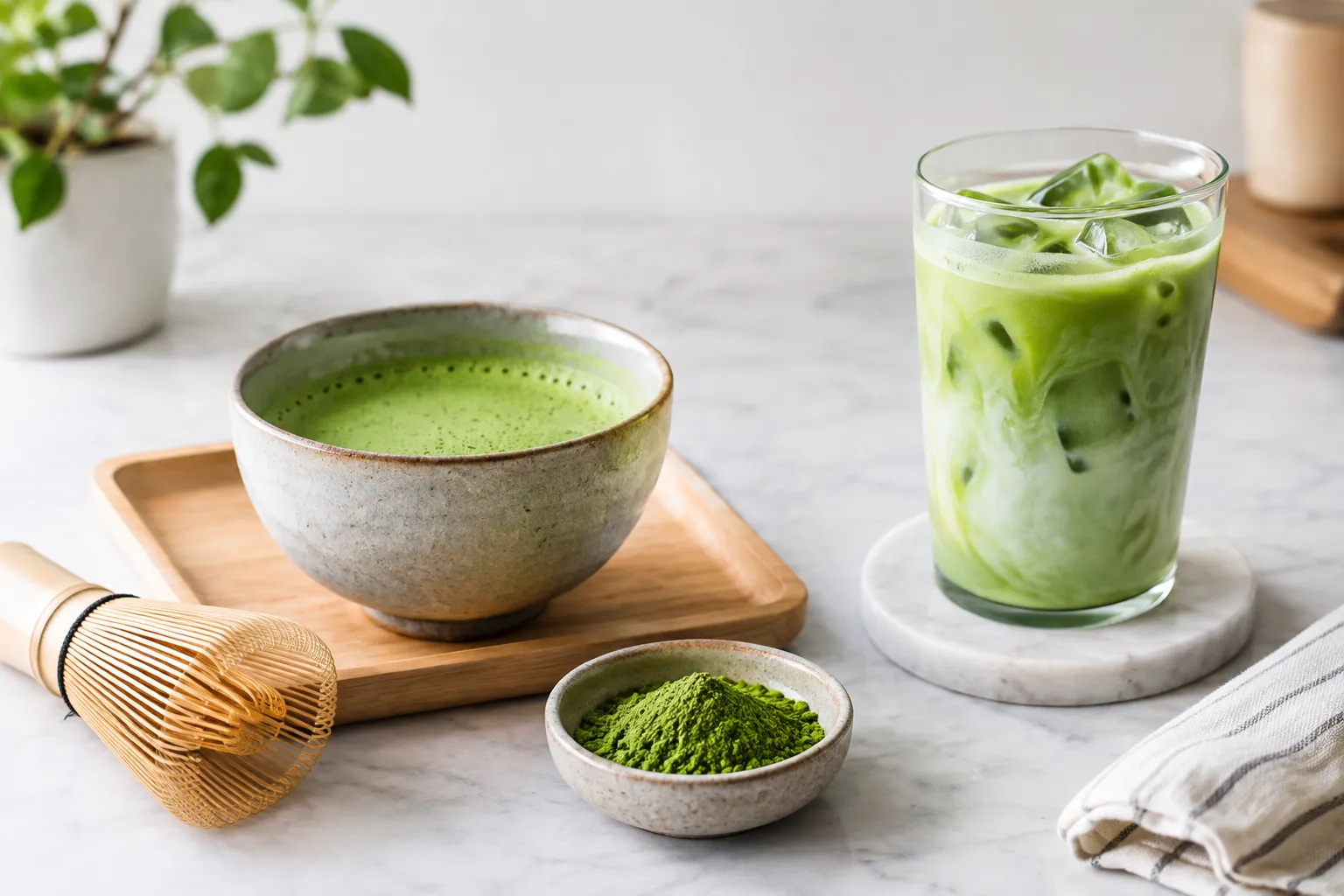
The best fit depends on how you will use the powder. Compare flavor descriptions and package size with your usual preparation, rather than assuming one grade is right for every cup. A smaller pack can be a sensible way to try a new matcha before buying more, especially if you are unsure whether its taste suits you.
For drinking matcha plain
When matcha is served with water, its aroma, flavor, and texture are easy to notice. Look for a description that sounds appealing to you, and pay attention to clues about smoothness and flavor balance. A vivid appearance and fine texture can help guide your choice, but your preference is the deciding factor.
Ceremonial grade matcha is often marketed for drinking on its own, but the label does not guarantee that you will enjoy the taste. If you are trying matcha for the first time, compare the listing’s flavor notes and package size before choosing.
For mixing matcha lattes
Milk can soften matcha’s flavor, so some latte drinkers prefer a powder whose flavor description sounds pronounced enough to remain noticeable in the finished drink. You do not need to choose a particular grade solely because you plan to make lattes.
Think about how often you will make them and how much powder you expect to use. A smaller package can limit leftovers while you decide whether the flavor works for your recipe. Compare ingredients and storage guidance too, especially if you will open the package over several weeks.
Matcha Powder FAQs
How can I tell if matcha powder is real or fake?
Check that the ingredient list identifies matcha or green tea as the tea ingredient, then compare the seller’s product details with the package label. Color, aroma, and texture can offer clues, but none proves authenticity on its own.
What to look for when buying matcha powder?
Start with the ingredient list, package size, storage details, and intended preparation, then consider color, aroma, flavor, and texture. A grade label can be a clue, but it is not a guarantee of freshness or personal fit.
Which brand of matcha powder is considered the best?
There is no single best brand for every drinker; compare transparent product details, ingredients, flavor descriptions, and package sizes. Choose a powder that suits your preferred preparation and taste.
What is the best grade of matcha powder?
The best grade depends on how you plan to use it and which flavor you enjoy. Grade terms are not universal guarantees, so compare the product description, ingredients, and intended use.
What is the best high-quality matcha powder?
The best option is one with ingredients and product details that suit your needs, plus a flavor and texture you enjoy. Compare it in the preparation you plan to make, whether plain tea or a latte.
What grade of matcha do coffee shops use?
Coffee shops can choose different matcha products, and there is no single grade that applies to all of them. For home use, compare a powder’s flavor, ingredient list, and fit for your recipe rather than relying on a café comparison.
How should I store matcha powder after opening?
Keep matcha sealed and follow the storage instructions on its package. Limiting exposure to air, moisture, heat, and light can help protect its aroma and flavor.
How soon should I use matcha powder after opening?
Use it according to the package’s storage and date guidance, and pay attention to whether its aroma and flavor change over time. Buying a pack that suits your pace of use can help avoid keeping an opened powder longer than you prefer.
Browse Tealyra matcha options
Compare matcha and other loose-leaf teas by their ingredients, preparation notes, and available package sizes to find an option that fits your routine.