 by Tealyra
What to look for in high-quality matcha brands
Choosing among matcha brands can be tricky when labels such as “ceremonial grade” sound definitive but don’t tell the whole story.
In This Article
- What High-Quality Matcha Brands Make Clear
- Use Color, Aroma, Texture, and Taste as Clues
- Match the Matcha to How You’ll Prepare It
- Compare Matcha Options and Pack Sizes Before You Buy
- Matcha Buying FAQs
- What is the best quality matcha tea?
- How to tell if matcha is high quality?
- Where can I get the best quality matcha?
- What is the highest quality matcha brand?
- Does matcha need to be refrigerated after opening?
- How long does matcha stay fresh once opened?
- Can you make matcha without a bamboo whisk?
- What is the difference between matcha and green tea powder?
- Choose Matcha for Your Routine
Choosing among matcha brands can be tricky when labels such as “ceremonial grade” sound definitive but don’t tell the whole story. If you’re asking what high-quality matcha brands have in common, look for clear product information, sensory clues, and a matcha that suits how you plan to prepare it.
What High-Quality Matcha Brands Make Clear
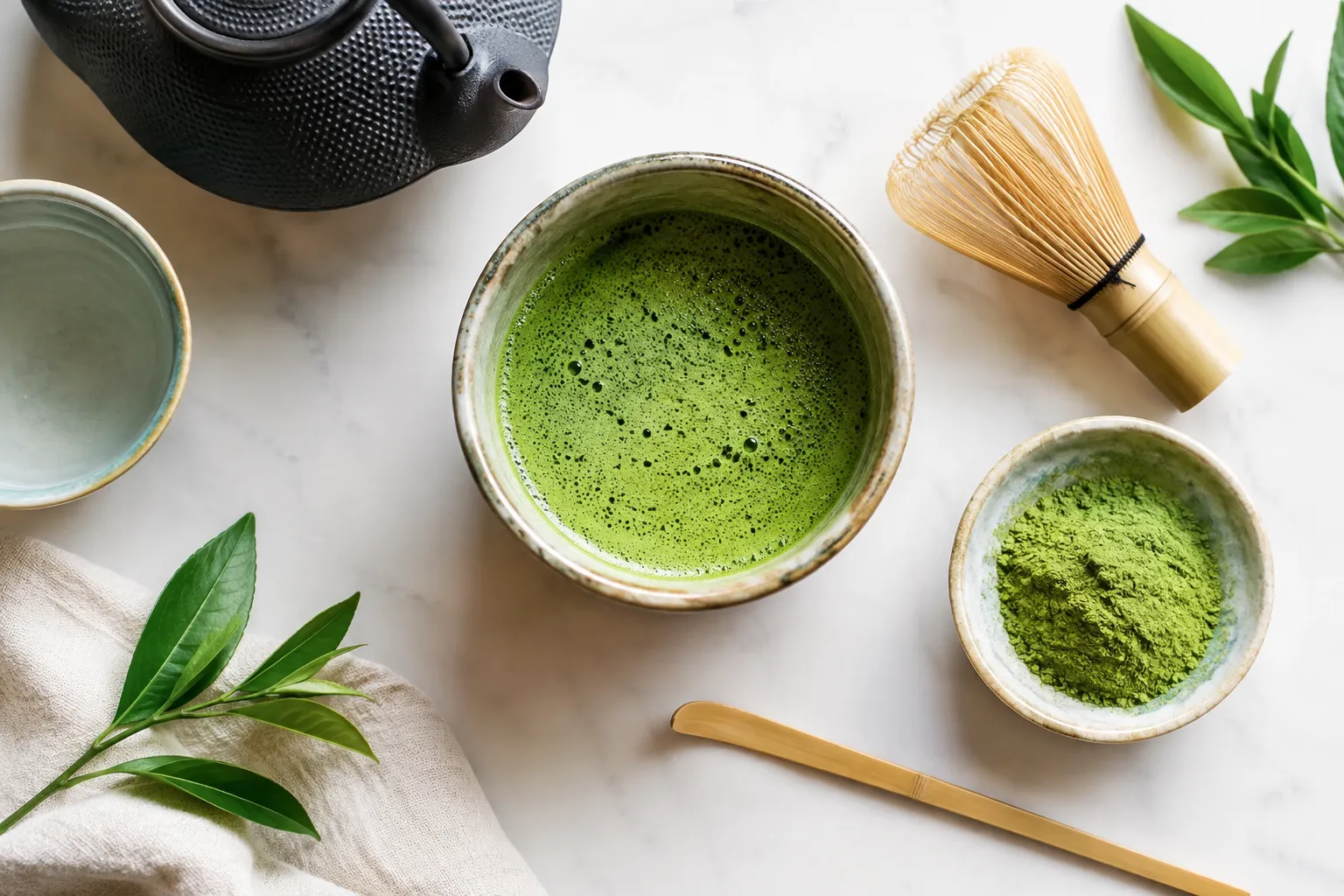
A useful matcha listing helps you understand what is in the package, how much you’re buying, and how the seller describes its intended use. Those details let you compare options on more than a grade label or a polished package.
Start with the ingredient list. For plain matcha, check whether the product is described as matcha without additional ingredients. If a blend includes sweeteners or other additions, the listing should make that clear so you can decide whether it fits your plans.
Next, look for practical product details:
- Product identity: Is it matcha, or a blend that includes matcha?
- Grade terminology: Does the seller explain what a label such as “ceremonial grade” means for that product?
- Pack size: How much matcha is included, and does that amount make sense for how often you’ll use it?
- Intended preparation: Is the product described for whisked tea, lattes, cooking, or more than one use?
- Freshness and storage information: Are there clear instructions for storing it, and does the listing give useful date information?
Grade labels can help indicate how a seller positions a matcha, but the words themselves aren’t a universal quality standard. “Ceremonial grade matcha” may sound like a guarantee, yet the label alone doesn’t tell you how the powder will taste, how recently it was packed, or whether you’ll enjoy it in your usual drink. Read the complete description and, where available, the package details.
Freshness information matters because matcha’s flavor and color can change with exposure to air, light, heat, and moisture. A clear storage recommendation is useful; a specific harvest or packing date can offer more context. Don’t assume a product’s freshness based only on a premium-sounding name or grade.
Pack size is a value question as well as a price question. A larger package may make sense if matcha is part of your regular routine, but it could be less suitable if you’re still deciding whether you enjoy matcha on its own. Compare the amount in the package with the seller’s preparation suggestions and your likely pace of use. That’s a more helpful comparison than looking at the package price alone.
For a broader view of available styles, browse Tealyra’s matcha selection. Matcha is powdered green tea, while other green teas are generally steeped and then removed from the cup; explore green tea options if you’re comparing formats as well as flavor.
Use Color, Aroma, Texture, and Taste as Clues
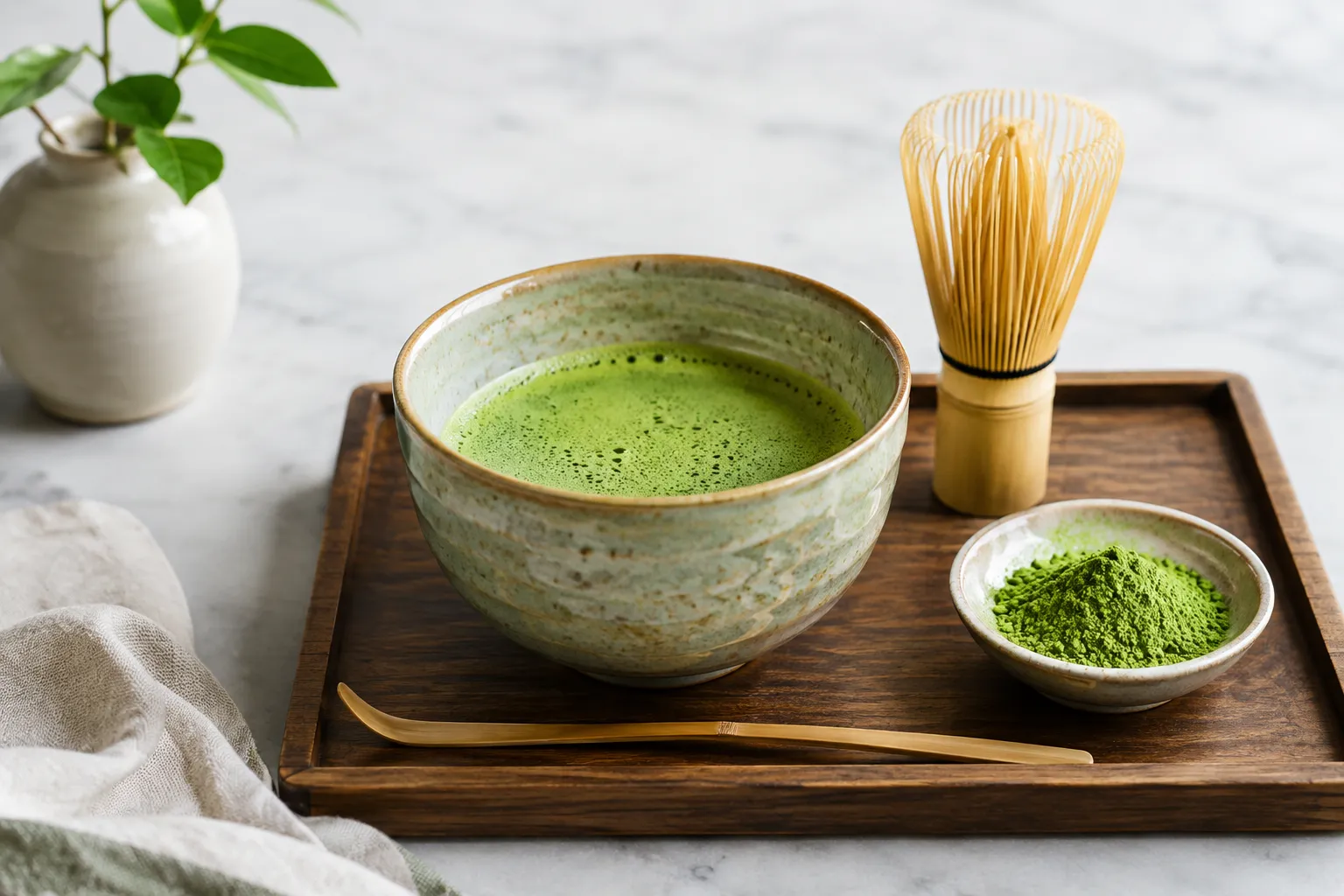
When you can inspect matcha, or taste it after purchase, sensory details can help you judge whether it suits you. None of these clues proves quality on its own. Together, they give you a more grounded impression than a grade label alone.
Color
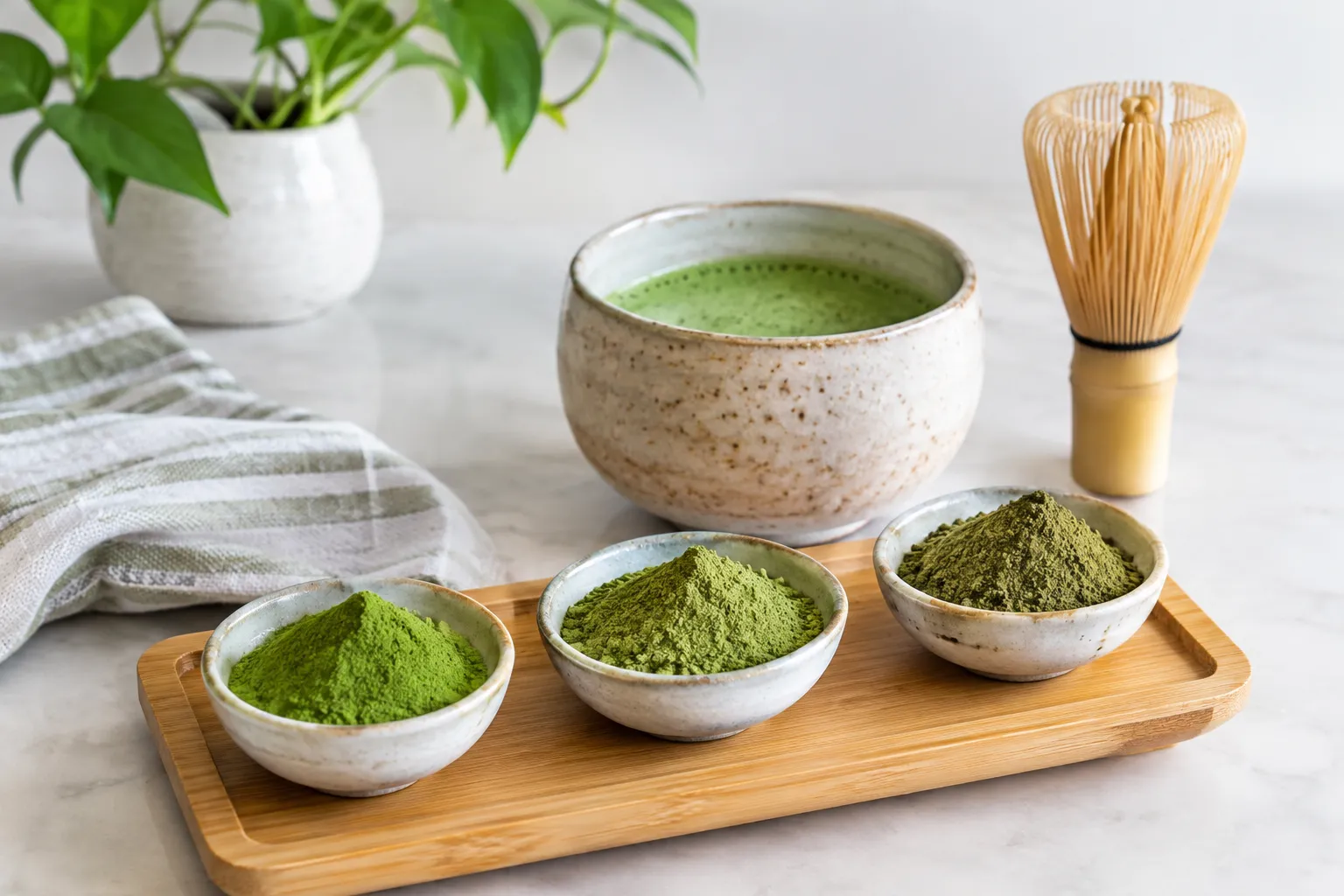
Matcha is often described as vibrant green, but color can vary. Lighting, packaging, the display on your screen, and the powder’s exposure to air and light can all affect what you see. A vivid product photo can’t confirm what the powder will look like in your kitchen.
Once opened, observe the powder in natural or neutral light. Look for a green color that seems consistent with the product description, but don’t treat one shade as a pass-or-fail test. If a listing relies heavily on color claims, consider them alongside the ingredient details, freshness information, intended use, and your taste.
Aroma
A fresh vegetal aroma, sometimes described as grassy, seaweed-like, or green, can be a helpful sensory clue. The exact impression varies from person to person and between matcha options. A flat or stale smell may make you question how the powder has been stored, but aroma alone can’t establish when it was packed or how it was handled.
Check that the package can be closed securely after opening, then follow the storage instructions. Limiting the powder’s exposure to air and moisture helps you preserve its character between uses.
Texture
Matcha powder should feel fine rather than coarse when you rub a small amount gently between clean fingers. Fine powder is easier to whisk into water, though clumps can still form if it gets damp or isn’t sifted before preparation.
If your matcha clumps, sift it into a bowl or cup before adding water. That small step may improve mixing, but it doesn’t change the underlying quality of the tea. Texture is a practical clue about how the powder handles, not a complete measure of flavor or freshness.
Taste
Taste is the most personal quality check. Matcha can have vegetal, savory, mellow, or bitter notes, and preferences differ. A pronounced bitterness isn’t automatically proof that the matcha is poor; water temperature, concentration, and preparation can all influence the cup.
For a fair first taste, use the seller’s preparation directions if available. If you’re experimenting, start with a modest amount of matcha and avoid using water that is freshly boiling. Adjust the amount and water temperature until the result is comfortable for you. If you’ll mainly make lattes, taste the matcha in that format too, since milk or a milk alternative changes the overall balance.
A useful decision rule: consider the product description and package details first, then use color, aroma, texture, and taste as supporting clues. No single signal can tell you everything about a matcha.
Match the Matcha to How You’ll Prepare It
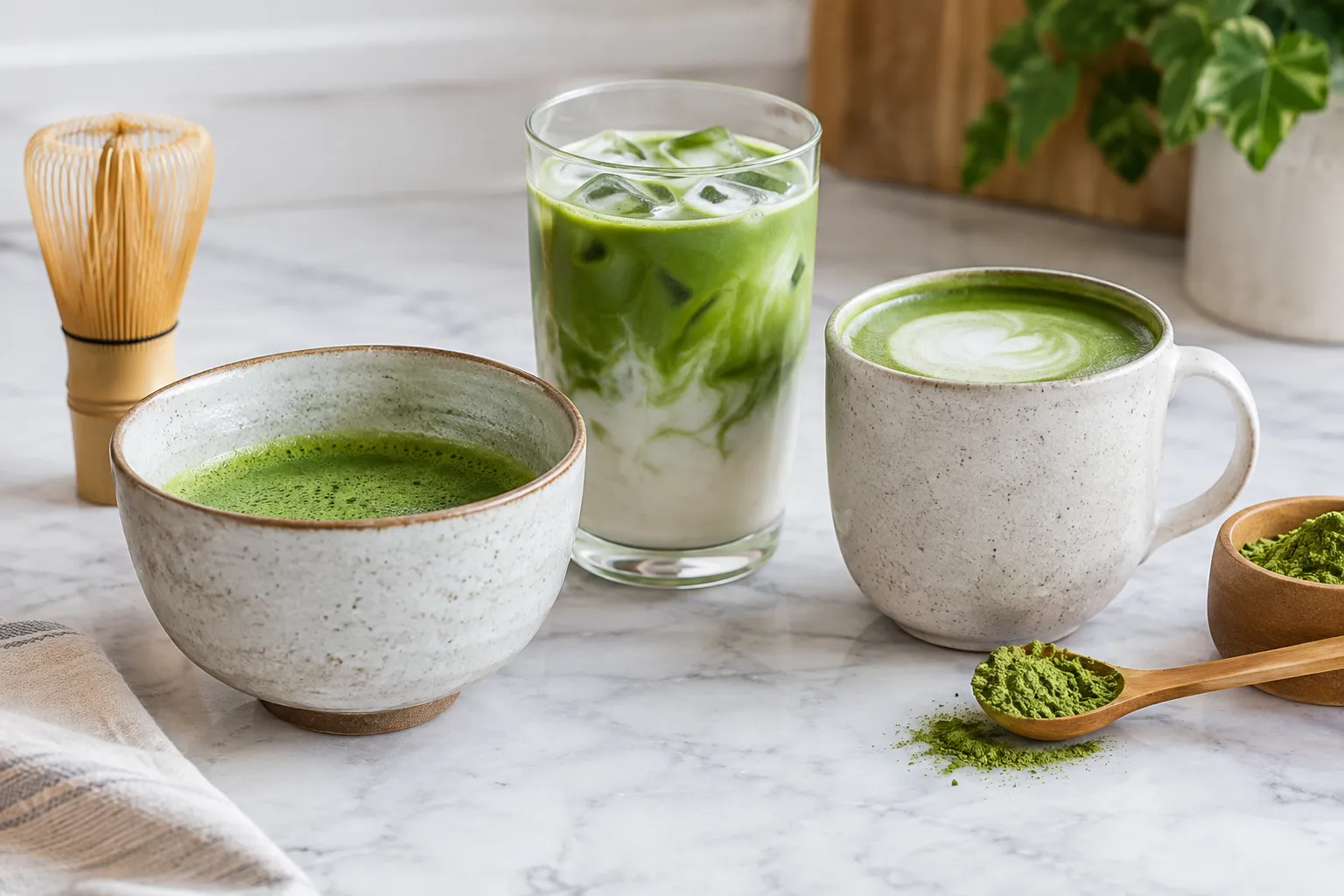
The best fit depends on what you want to make. A matcha you enjoy whisked with water may not be the one you’d choose for a latte or a recipe, and a grade label can’t make that choice for you.
For whisked tea
If you plan to drink matcha with water, flavor and texture matter directly because there are few other ingredients to soften or cover the tea’s character. Look for a listing that describes the matcha’s intended use and offers preparation guidance. If the flavor is new to you, consider how much matcha a package contains and whether you’re comfortable committing to that amount.
A “ceremonial grade” label may suggest the seller intends the product for whisked tea, but it doesn’t guarantee that you’ll like its flavor or that it meets a consistent standard across brands. Treat the label as one detail to compare, not the whole decision.
For lattes
For a latte, consider whether you want matcha’s flavor to stand out alongside milk or a milk alternative. Product descriptions may indicate whether a matcha is intended for lattes, but your preference is decisive: some drinkers want a bold tea taste, while others prefer a gentler one.
Compare serving suggestions where available, and think about your usual recipe before choosing a pack size. If you make lattes often, a package suited to regular use may be practical. If you’re still exploring, starting with a smaller amount can limit the risk of buying more than you’ll use.
For cooking and baking
Matcha used in recipes is combined with other ingredients, so the flavor may need to hold up alongside them. Check whether the seller describes the matcha as suitable for cooking or baking, and consider the kinds of recipes you actually make. A matcha described for whisked tea isn’t automatically the best or worst choice for a recipe; intended-use information simply helps you compare options.
Let the use guide the grade label
Rather than buying based on “ceremonial” or another grade term alone, ask: Will I drink this straight, mix it into a latte, or use it in recipes? Then check whether the product description supports that use, whether its flavor cues appeal to you, and whether the pack size fits your routine.
This approach keeps the decision practical. High-quality matcha is not just a label; it’s a product with clear information that meets your expectations for preparation, flavor, and use.
Compare Matcha Options and Pack Sizes Before You Buy
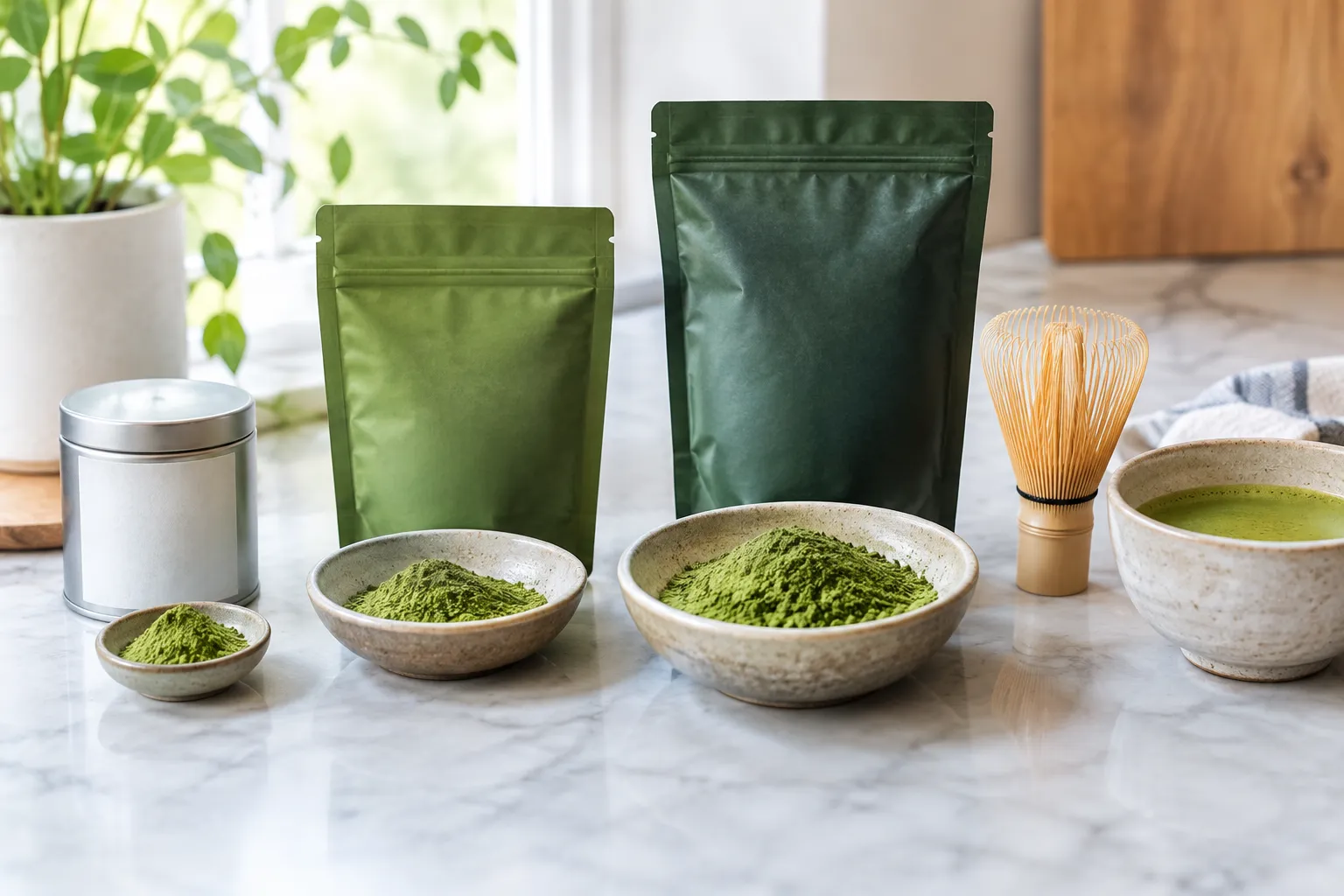
When comparing Tealyra’s loose-leaf matcha options, use the same questions for each product rather than trying to guess which one is “best” from its name. Read the current product descriptions and package details, then compare them against your own routine.
| What to compare | What to look for | A useful fit |
|---|---|---|
| Ingredients | Whether the listing describes plain matcha or a blend | Choose based on whether you want matcha alone or other ingredients |
| Intended use | Guidance for whisked tea, lattes, cooking, or multiple preparations | Match the description to how you expect to use it |
| Grade language | How the seller uses terms such as “ceremonial grade” | Treat grade as one clue, not a quality guarantee |
| Sensory description | Flavor cues that sound appealing to you | Use taste notes as a guide, not a promise of your personal experience |
| Pack size | The amount in the package | Choose a size that fits your expected frequency of use |
| Freshness and storage details | Any date information and care instructions | Prefer clear directions and follow them after opening |
A specialty tea store can make it easier to compare tea-specific descriptions in one place, but a retailer name alone doesn’t prove how a particular package was stored. Check the product page for details and review the package when it arrives. Look for intact packaging and follow the storage instructions provided.
If you’re uncertain about committing to a larger package, consider how often you realistically expect to prepare matcha. Someone who makes it daily may use a different amount from someone who wants to try whisked tea once or twice a week. Use the stated pack size and the preparation directions to estimate what suits your routine; don’t assume larger automatically means better value.
A simple comparison process:
- Narrow your options to products whose ingredients and intended use match your plans.
- Compare flavor descriptions, keeping in mind that tasting notes are subjective.
- Check the amount in each package and consider how quickly you expect to use it.
- Read storage guidance and any available date details.
- Revisit the grade label only after those practical details.
This method can help reduce the chance of choosing a product that sounds appealing but doesn’t fit your cup. For current options and product details, start with the matcha category.
Matcha Buying FAQs
What is the best quality matcha tea?
The best matcha for you is one with clear ingredient, use, and freshness information that suits how you’ll prepare it and the flavor you enjoy. A grade label alone can’t establish that it’s the right choice.
How to tell if matcha is high quality?
Compare the ingredient list, intended use, grade explanation, pack size, and freshness or storage details, then consider color, aroma, texture, and taste. No single clue proves quality on its own.
Where can I get the best quality matcha?
Choose a retailer with clear product descriptions and package details, then compare those details with your intended use and preferred flavor. You can review current options in Tealyra’s matcha category.
What is the highest quality matcha brand?
There isn’t one brand that is automatically the highest quality for every drinker; compare transparent product information, intended use, sensory cues, and package size. The best fit depends on your preparation and preferences.
Does matcha need to be refrigerated after opening?
Follow the storage directions on the package; matcha is commonly kept tightly sealed in a cool, dry place away from light and moisture. If refrigeration is recommended, protect it from condensation when it’s taken out.
How long does matcha stay fresh once opened?
There isn’t one reliable freshness period for every matcha, since packaging, storage, and handling differ. Follow the package’s guidance, seal it promptly, and use its aroma and flavor as practical cues.
Can you make matcha without a bamboo whisk?
Yes. A small electric frother, a shaker with a secure lid, or a jar can help mix matcha with water, though each method may produce a different texture. Sifting first can help limit clumps.
What is the difference between matcha and green tea powder?
Matcha is a finely ground form of green tea prepared as a powder, while “green tea powder” can be a broader label and may not describe the same product. Check the ingredient and product descriptions to understand what you’re buying.
Choose Matcha for Your Routine
Use the product details, preparation guidance, and pack size to narrow your options to matcha that fits the way you want to drink it. Compare the current selection before choosing.