 by Tealyra
Tea to Boost Your Immune System: Science and Tips
Can tea to boost immune system defenses actually work? Discover the science behind green, black, and herbal teas plus practical brewing tips for wellness.
Can a fragrant cup of tea give your immune system a meaningful lift, or is the comfort of the ritual doing most of the work? If you’re looking for tea to boost immune system health, the honest answer is nuanced: tea can offer hydration and plant compounds, but no cup is a shortcut to preventing illness or replacing the habits that support overall health. The pleasure is still real, and so is the value of understanding what’s in your cup.
Choosing a tea can feel confusing when bold wellness claims blur the line between tradition and evidence. This guide explores what tea may, and may not, do for immune health, then compares true teas such as green and black tea with herbal infusions, including their ingredients and caffeine differences. You’ll also find simple brewing pointers to help you choose a cup that suits your taste and routine. Think of it as a small, comforting part of a balanced day, best enjoyed for its aroma, flavor, and quiet pause as much as for its plant compounds.
Key Takeaways
- Tea can fit into a balanced wellness routine, but it shouldn’t be treated as protection from illness or a substitute for preventive care.
- Learn how plant compounds such as polyphenols and catechins differ across true teas and herbal infusions, and what research can, and can’t, show.
- Compare green tea, black tea, rooibos, and herbal infusions by plant source, caffeine, flavor, and the limits of available evidence.
- To choose tea to boost immune system support, focus on ingredients and caffeine preference rather than promises of a specific health outcome.
- Find a tea you enjoy and follow its package brewing directions to make a comforting cup part of a steady routine.
Table of Contents
- Tea to Boost the Immune System: What the Phrase Really Means
- What Tea Compounds May Contribute, and What Research Cannot Yet Prove
- Comparing Teas to Boost Immune System Support: A Practical, Evidence-Aware Roundup
- How to Choose and Brew Tea for a Steady, Enjoyable Routine
- Making Tea Part of a Balanced Wellness Routine
Tea to Boost the Immune System: What the Phrase Really Means
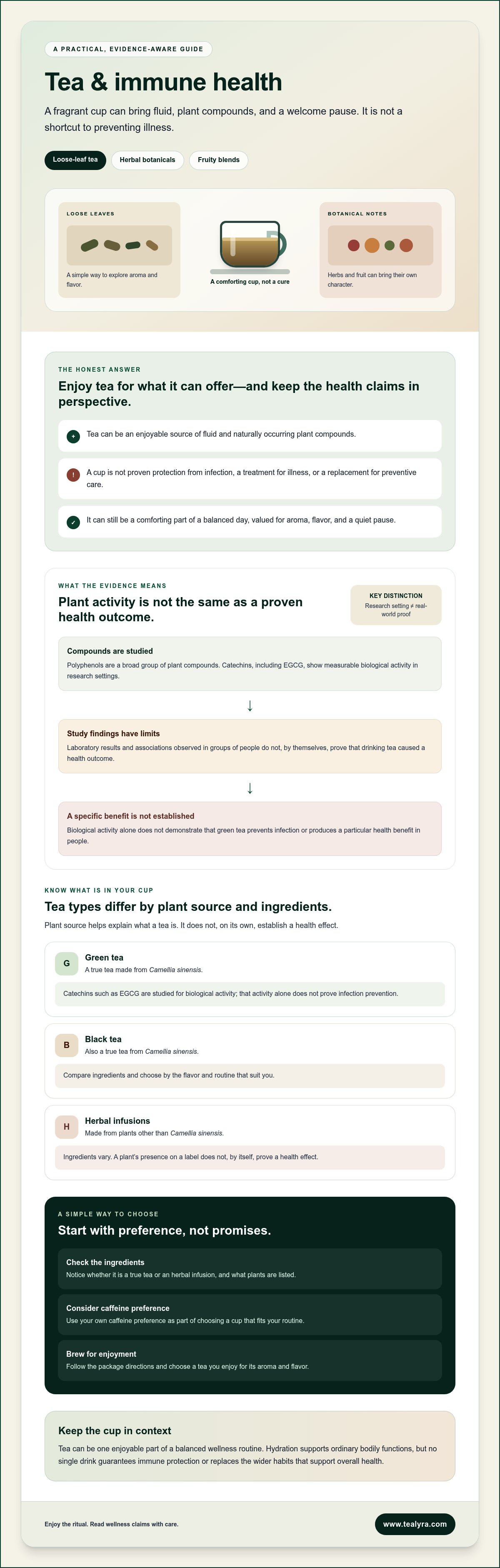
Tea can be part of a healthy routine, but it isn’t an immunity shortcut. A cup of green, black, or herbal tea may offer fluid and naturally occurring plant compounds; that doesn’t mean it can prevent an infection, treat an illness, or reliably strengthen the body’s defenses. The phrase “tea to boost immune system” is best approached as a wellness claim to examine, not a medical promise.
A wellness drink is a beverage enjoyed as part of everyday wellbeing; a proven preventive or treatment is supported by evidence that it reduces the risk of, or helps manage, a specific illness. Those are different things. Tea belongs in the first category. A varied diet and enough fluids contribute to general health, but no single drink can replace the wider pattern of nourishment or provide guaranteed protection from disease.
For a botanical starting point, Camellia sinensis is the plant behind true teas, including green and black tea. Herbal infusions draw on other plants instead. That distinction helps make sense of tea labels and ingredients, though plant source alone doesn’t establish a health effect. If you’d like to explore the category, browse loose-leaf green tea by flavor and preference.
A video can offer another perspective on the language and traditions around tea and immunity. Treat health claims with care, and look for evidence that applies to people, not just a persuasive recipe or explanation.
Can tea strengthen the immune system?
Some tea compounds are studied for their biological activity, but findings in a laboratory or associations observed in groups of people don’t prove that drinking tea prevents infections. Antioxidant activity, for example, describes how a compound behaves in a particular setting; it doesn’t by itself show a meaningful clinical benefit. Evidence about normal immune function and protection against a specific illness should not be treated as interchangeable.
Tea, hydration, and everyday wellbeing
Tea can be one enjoyable source of fluid during the day, alongside water and other beverages that suit your needs. A warm cup may bring comfort, fragrant lift, or a welcome pause in a busy routine. Those are worthwhile pleasures, even though they’re distinct from medical effects. Staying hydrated supports ordinary bodily functions, but hydration alone doesn’t guarantee immune protection or take the place of recommended preventive care.
What Tea Compounds May Contribute, and What Research Cannot Yet Prove
Tea’s appeal includes more than aroma and flavor: some varieties contain polyphenols, a broad group of plant compounds, including catechins. These compounds are studied for biological activity, but a measured effect in a laboratory does not establish that drinking tea changes immune health or prevents illness in people. That distinction matters when assessing claims about tea to boost immune system function.
Citation-ready takeaway: Although catechins such as EGCG show measurable biological activity in research settings, that activity alone does not demonstrate that drinking green tea prevents infection or produces a specific health benefit in people.
Research can offer clues without settling the question. Laboratory studies can explore how compounds interact with cells, while observational studies can identify associations between habits and health. Neither design, on its own, confirms that tea caused an outcome. Clinical evidence needs to assess people and meaningful health outcomes, and results may depend on the tea, amount consumed, and study design. Harvard Health Publishing discusses claims that certain teas can boost your immune system; such discussion is useful context, not a reason to treat tea as preventive medicine.
Green and black tea: shared plant origins, different cups
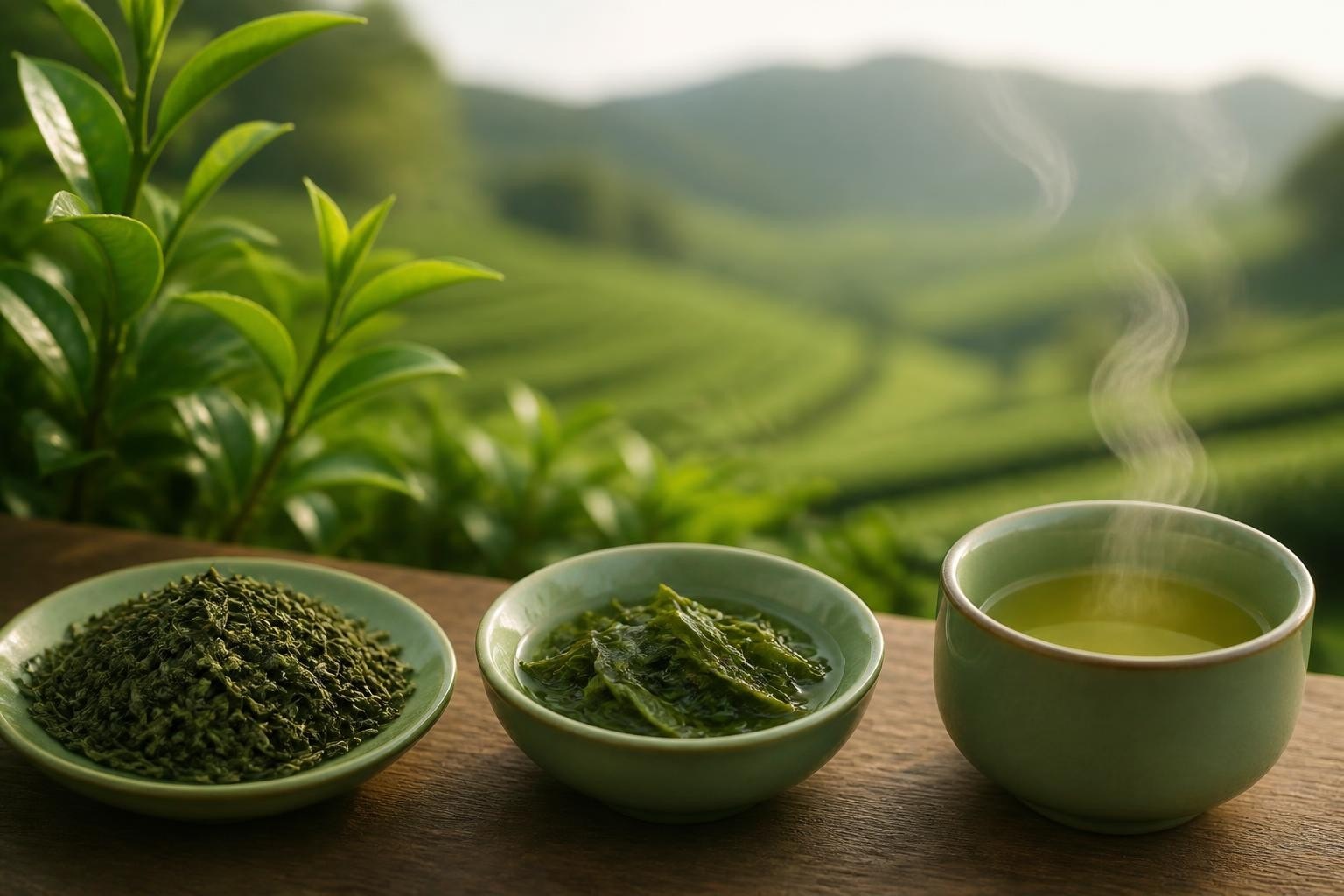
Green and black tea both come from Camellia sinensis, but their leaves are processed differently, shaping their color, flavor, and composition. Green tea is studied for catechins, including epigallocatechin gallate (EGCG). Black tea also contains polyphenols, though processing changes the mix of compounds. These differences make each cup distinct, but they don’t establish one as an immune treatment. Browse green tea selections by taste and personal preference, rather than by promises of protection.
Herbal infusions: many plants, different evidence
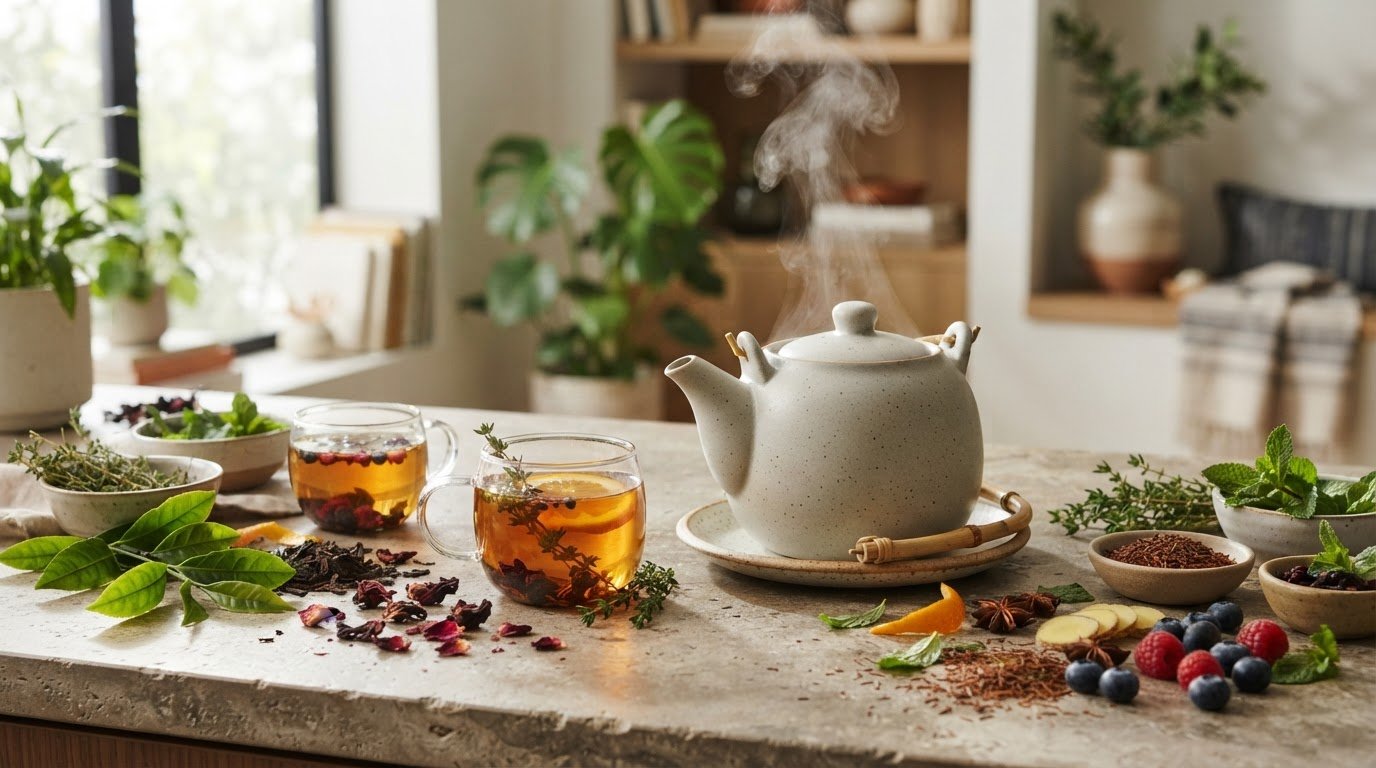
Herbal infusions aren’t all true teas: they’re made from plants other than Camellia sinensis, so their ingredients and research differ from one infusion to another. Rooibos, for example, is a separate botanical category, not a green or black tea. Findings about catechins in green tea can’t simply be applied to rooibos, chamomile, or a multi-ingredient blend. Check the ingredient list, and treat each plant’s evidence on its own terms. Herbal tea varieties offer different flavors to explore, not a shared or proven immune effect.
Comparing Teas to Boost Immune System Support: A Practical, Evidence-Aware Roundup
Different teas bring different ingredients, flavors, and caffeine considerations to the cup. The comparison below is a guide to choosing what you enjoy, not a ranking of immune remedies. Evidence about plant compounds is not the same as proof that drinking a particular tea prevents or cures infection. None of the teas in this roundup is established as a way to do either.
| Tea | Plant source | Caffeine | Flavor profile | Evidence related to immune health |
|---|---|---|---|---|
| Green tea | Camellia sinensis | Contains caffeine; amount varies | Often grassy, fresh, or gently vegetal | Catechins are studied, but this does not establish infection prevention in people |
| Black tea | Camellia sinensis | Contains caffeine; amount varies | Often fuller, malty, or brisk | Contains tea polyphenols; specific protective effects against illness aren’t established |
| Rooibos | Rooibos plant | Naturally caffeine-free | Earthy, smooth, sometimes lightly sweet | Evidence for immune-related clinical outcomes is limited |
| Ginger infusion | Ginger root | Usually caffeine-free when prepared without true tea | Warming, aromatic, and gently spicy | Evidence about ginger compounds shouldn’t be taken as proof that an infusion prevents infection |
Green tea and black tea
Both come from Camellia sinensis; differences in processing help shape their color and taste. Green tea is generally less oxidized, while black tea is more fully oxidized, creating contrasting cup profiles. Both naturally contain caffeine, though the amount varies with the leaves and preparation. Green tea catechins and other tea compounds are studied in different research settings, but they don’t make either tea a proven immune treatment. For a closer look at origins and flavor, explore Chinese green tea styles.
Rooibos and caffeine-free herbal infusions
Rooibos is an infusion from a different plant, not a Camellia sinensis tea. Ginger and other herbal infusions also have distinct ingredients and evidence, so they shouldn’t be treated as interchangeable remedies. Choose them for a naturally caffeine-free cup, a particular botanical, or a flavor you look forward to. You can explore rooibos tea options as one category, keeping taste and preference at the center of your choice.
For tea to boost immune system support, let the phrase point you toward thoughtful questions about ingredients and evidence, not a promise of protection. A comforting cup can have a place in your day without being asked to do the work of medical care.
How to Choose and Brew Tea for a Steady, Enjoyable Routine
A tea ritual is easier to keep when it suits your palate, schedule, and caffeine preference. Rather than searching for the strongest tea to boost immune system claims, choose a cup you genuinely enjoy and prepare it as directed. A measured, repeatable habit is more inviting than an unusually concentrated brew taken in hopes of a special effect.
Match the cup to your preferences
Start with the plant. Green and black teas come from Camellia sinensis and contain caffeine; herbal infusions use other plants, and some options, such as rooibos, are naturally caffeine-free. Caffeine content can vary, so check the product details if you’re limiting it or prefer to avoid it. Next, consider flavor: a vegetal green tea, brisk black tea, or earthy rooibos each brings a different character to the cup.
Read the ingredient list, particularly for blends. A product may combine tea leaves with herbs, spices, fruit, or other botanicals, each of which contributes its own flavor and considerations. Don’t use color, strength, or a vivid “wellness” label as a measure of immune benefit. Those details describe the drink, not its proven effect on health.
Brew thoughtfully and know when to ask for advice
Follow the brewing directions on the specific package. Recommended water temperature and steeping time vary by tea and blend; there isn’t one method that suits every leaf or infusion. If a cup tastes too bitter or strong, adjust your preparation according to the product guidance rather than assuming a more intense brew will be more beneficial. More concentrated tea isn’t automatically more effective or appropriate.
Keep the ritual comfortable and sustainable. Enjoy tea as one part of your day, not as a replacement for a varied diet, medical advice, or recommended preventive care. If you’re pregnant, managing a health condition, taking medication, or considering an herbal tea alongside supplements, ask a qualified healthcare professional whether the ingredients are suitable for you. Botanicals can have different effects and may not be appropriate for everyone.
For a simple selection routine, choose a plant type, check caffeine, consider the flavor, then brew according to the package instructions. If you’d like to explore loose-leaf green, black, herbal, or rooibos teas and tea accessories, browse Tealyra Store - The Best Galaxy of Teas’ selection and find a cup that fits your everyday preferences.
Making Tea Part of a Balanced Wellness Routine
Tea can be a comforting daily drink and a source of plant compounds, but it isn’t medical protection. No cup replaces a varied diet, broader health habits, or recommended preventive care. A realistic way to think about tea to boost immune system health is to enjoy it as one small part of a balanced routine, without expecting it to prevent or treat illness.
A sensible checklist for evaluating immunity claims
Before trusting a claim, pause over what the evidence actually describes. A compound’s activity in a laboratory, an association observed in a population, and a demonstrated health outcome in people are different levels of evidence. Ask who was studied, how the research was designed, and whether other independent research supports the conclusion. Be especially cautious of products that promise to prevent illness, cure disease, or rapidly “boost” immunity.
Even a plausible explanation of how a botanical might affect the body doesn’t confirm that drinking it delivers a meaningful benefit. Look for clear, measured language that distinguishes early research from established clinical evidence. If a product’s claims are difficult to assess, that’s a reason to seek reliable health information rather than rely on its marketing.
Choose a cup you will enjoy
Flavor and practicality make a tea habit easier to enjoy. Consider whether you prefer the fresh, vegetal notes of green tea, the earthy smoothness of rooibos, or the varied aromas of herbal infusions. Check ingredients, especially in blends, and choose with caffeine preference in mind. Follow the product’s brewing directions so the cup suits the leaves or botanicals it contains.
Loose-leaf tea can make an ordinary pause feel more intentional: measure the leaves, let the aroma rise, and take a few quiet minutes to savor the cup. That ritual may bring pleasure and comfort, but it isn’t a substitute for medical advice or care. If you have questions about a tea’s ingredients and your health, ask a qualified healthcare professional.
Tealyra Store - The Best Galaxy of Teas offers green tea, rooibos, and herbal tea categories to explore by taste and preference, without treating any of them as proven immune remedies. Explore Tealyra Store - The Best Galaxy of Teas’ tea selection and choose a cup that feels inviting enough to return to, simply for the pleasure of the ritual.
Choose a Cup That Fits Your Everyday Ritual
Tea can bring flavor, warmth, and a welcome moment of pause to a balanced routine. Some teas contain plant compounds of interest to researchers, but current evidence doesn’t make a cup a dependable way to prevent or treat illness. Think of tea to boost immune system health as a phrase to approach thoughtfully, not a promise. Your choice can still be meaningful for the simple pleasure of a drink you enjoy.
Let taste, ingredients, caffeine preference, and the tea’s brewing directions guide you. Green, black, white, oolong, pu-erh, rooibos, and herbal teas each offer a different path through the world of tea; Tealyra Store - The Best Galaxy of Teas also offers tea accessories and infusers to help make brewing part of the ritual. Keep tea in its proper place alongside broader health habits and recommended preventive care, rather than asking it to replace them.
Explore the range at Tealyra Store - The Best Galaxy of Teas’ loose-leaf teas and herbal infusions, and take your time finding a cup whose aroma and flavor invite you back. A small daily pleasure can be worthwhile on its own.
Frequently Asked Questions
Can tea boost your immune system?
Tea can be part of a healthy routine, but there’s no good reason to treat it as an immunity shortcut. Some teas contain plant compounds studied for biological activity, yet research on a compound or laboratory effect doesn’t prove that drinking tea prevents infection or improves a specific health outcome. Enjoy tea for its flavor and as a source of fluid, while keeping broader health habits and recommended preventive care in place.
What is the best tea to boost the immune system?
No tea is established as the best choice for preventing illness or boosting immune defenses. Green and black teas come from Camellia sinensis, while rooibos and herbal infusions come from other plants, so their ingredients and research differ. Choose according to taste, ingredients, and caffeine preference. A tea to boost immune system health is best understood as an enjoyable beverage, not a treatment or guaranteed protection.
Is green tea good for immune health?
Green tea contains polyphenols, including catechins such as EGCG, which researchers study for their biological effects. That interest doesn’t establish that green tea prevents infection or delivers a particular immune benefit in people. You can enjoy it as a flavorful drink within a balanced routine. Green tea naturally contains caffeine, and the amount can vary with the tea and how it’s prepared, so check product information if you’re limiting caffeine.
Can herbal tea help prevent a cold?
Herbal tea hasn’t been established as a way to prevent colds. “Herbal tea” covers infusions made from many different plants, so ingredients and evidence aren’t interchangeable. A warm cup may feel soothing and can contribute fluid, but comfort isn’t the same as preventing infection. Check the ingredients in blends, and ask a qualified healthcare professional about specific herbs if you’re pregnant, taking medication, or managing a health condition.
Does rooibos tea contain caffeine?
Pure rooibos is naturally caffeine-free because it comes from a plant other than Camellia sinensis, the source of green and black tea. It offers an earthy, mellow cup for people looking for an infusion without caffeine. For a blend, read the ingredient list: added tea leaves or other ingredients may change the caffeine content. If avoiding caffeine is important for your health, confirm the product details rather than relying on the name alone.
How many cups of tea should I drink for immune support?
There isn’t an established number of cups that provides immune protection or a proven immune benefit. Let personal preference, caffeine intake, and any health guidance you’ve received shape how much tea you drink. Caffeine varies by tea and preparation, so check the product information if you’re sensitive to it or limiting it. Tea can contribute fluid, but it shouldn’t displace water, a varied diet, or other everyday health habits.
Can tea replace supplements or medical care for immunity?
No. Tea isn’t a substitute for medical care, recommended preventive measures, or supplements prescribed by a healthcare professional. Don’t stop or change a treatment because of a tea or wellness claim. Herbal ingredients may interact with medicines or be unsuitable in some circumstances, so ask a qualified clinician or pharmacist about a product if you’re pregnant, have a health condition, or take medication. They can help you assess ingredients in the context of your needs.
Article by
Tealyra
The Best Galaxy Of Teas