 by Tealyra
Green Tea Loose Leaf Tea: Your Complete Guide
Discover why green tea loose leaf tea offers superior flavor, health benefits, and value. Learn brewing tips, varieties, and storage secrets.
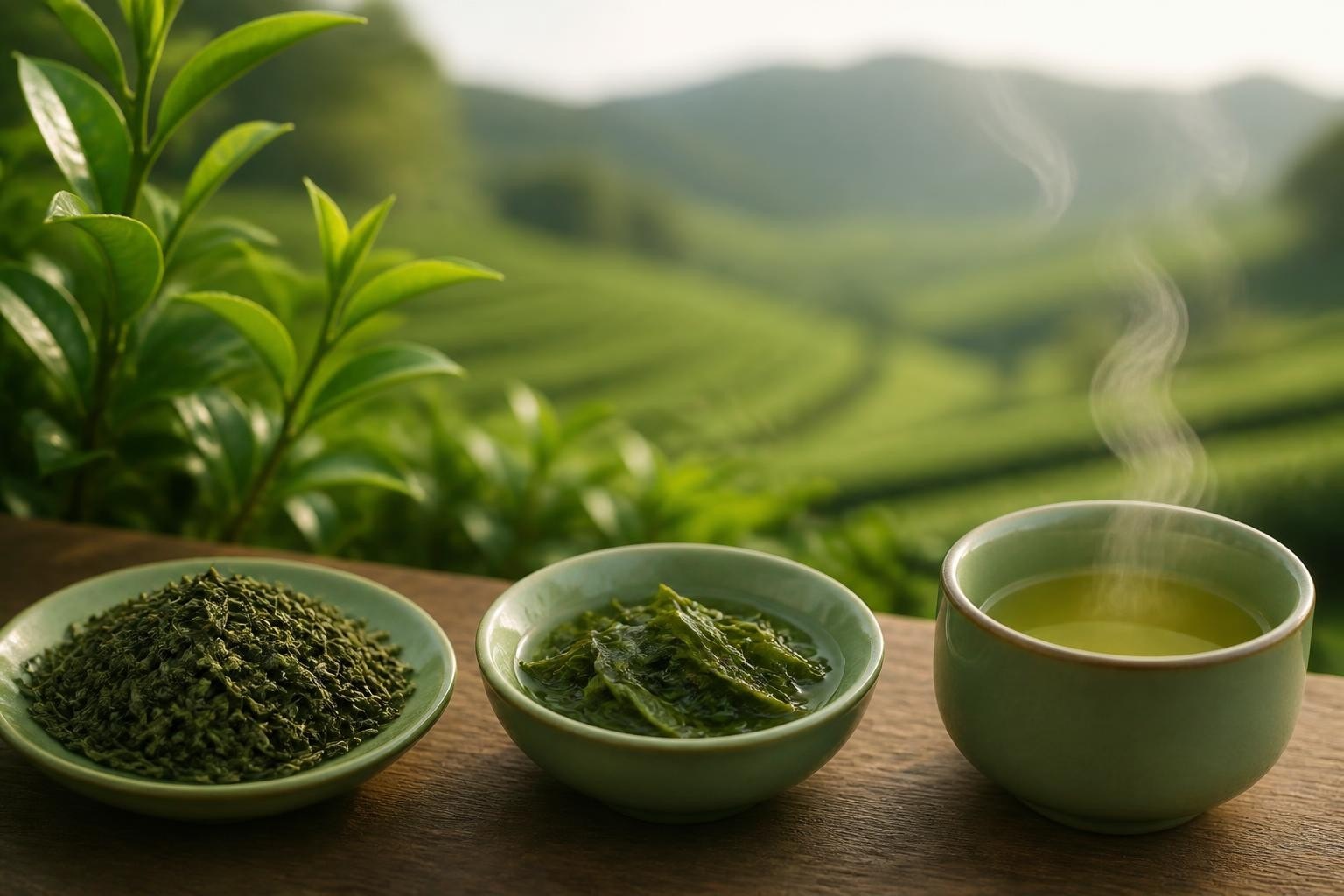
Green tea loose leaf tea represents one of the most rewarding choices you can make as a tea enthusiast. Unlike pre-packaged tea bags, loose leaf varieties deliver authentic flavor, superior health benefits, and a more immersive brewing experience. Whether you're new to the world of premium teas or looking to deepen your appreciation for this ancient beverage, understanding what makes loose leaf green tea special will transform your daily tea ritual. We're here to guide you through everything you need to know about selecting, brewing, and enjoying this remarkable form of tea.
Why Green Tea Loose Leaf Tea Stands Apart
The difference between loose leaf and bagged green tea goes far beyond packaging. When tea leaves remain whole or partially whole, they retain their essential oils, antioxidants, and complex flavor compounds in ways that broken, dusty tea bag contents simply cannot match.
Superior Quality and Freshness
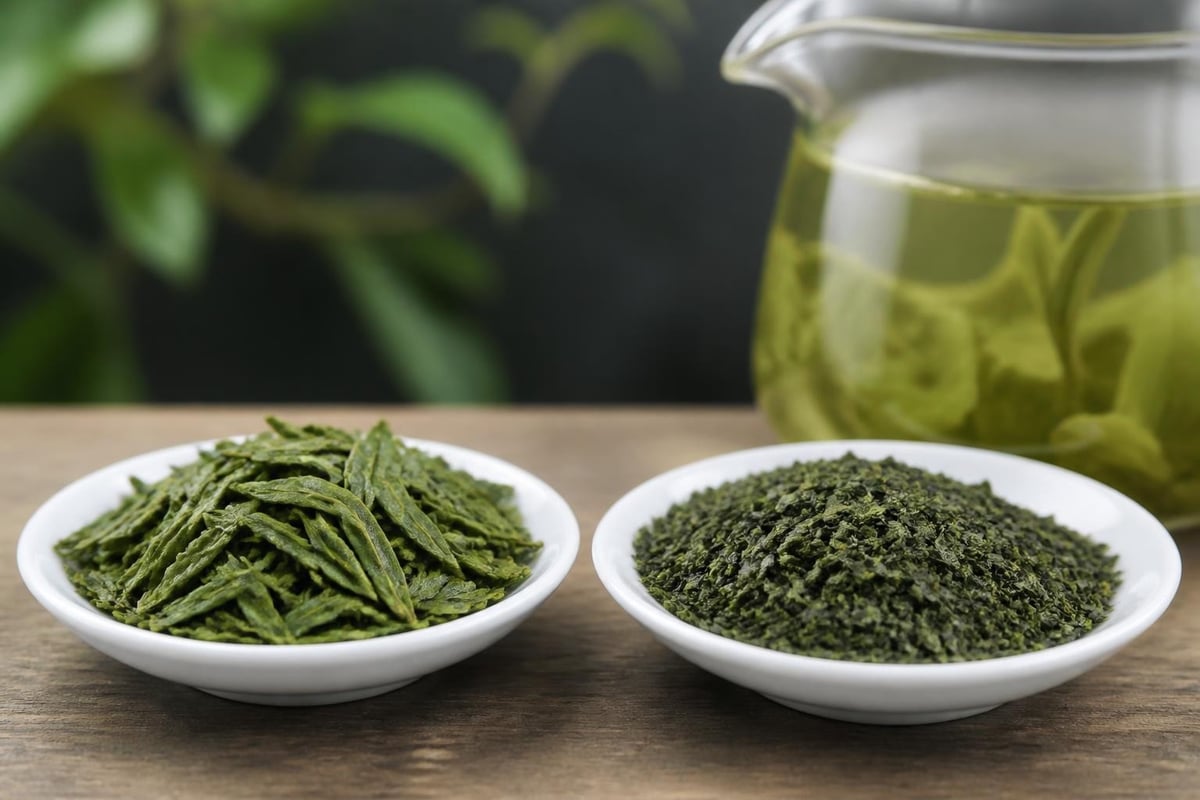
Whole leaf integrity matters tremendously for your tea experience. Green tea loose leaf tea consists of full or minimally broken leaves that preserve the plant's natural characteristics. Tea bags, by contrast, typically contain fannings and dust-the smallest particles left over from processing. These fragments lose their potency quickly and brew into flat, one-dimensional cups.
The grading system tells the story clearly:
| Tea Grade | Leaf Condition | Flavor Profile | Typical Use |
|---|---|---|---|
| Whole Leaf | Complete leaves | Complex, nuanced | Loose leaf premium teas |
| Broken Leaf | Large pieces | Good, somewhat full | Quality loose leaf |
| Fannings | Small particles | Acceptable, limited | Standard tea bags |
| Dust | Tiny fragments | Weak, bitter | Budget tea bags |
Research published in peer-reviewed studies comparing loose-leaf and bagged teas demonstrates that whole leaves release caffeine and L-theanine more gradually and completely, creating a more balanced cup.
Health Benefits You Can Actually Taste
When you brew green tea loose leaf tea, you're accessing higher concentrations of beneficial compounds. The catechin composition and antioxidant properties differ significantly between whole leaf and processed tea products.
Key health compounds in quality loose leaf green tea include:
- EGCG (epigallocatechin gallate): The primary antioxidant catechin
- L-theanine: Amino acid promoting calm alertness
- Polyphenols: Supporting cardiovascular health
- Vitamins and minerals: Including vitamin C, B-complex vitamins, and manganese
According to the National Center for Complementary and Integrative Health, green tea's active compounds have been studied extensively for their potential health-supporting properties, though whole leaf forms deliver these benefits most effectively.
Exploring Green Tea Loose Leaf Varieties
The world of green tea loose leaf tea encompasses stunning diversity. Each variety reflects its terroir, processing method, and cultural heritage.
Japanese Green Tea Traditions
Japanese teas are steamed rather than pan-fired, creating distinctive vegetal, sweet flavors. Japanese green tea varieties showcase this processing tradition beautifully.
Sencha represents Japan's most popular green tea, with a perfect balance of sweetness and astringency. The needle-like leaves unfurl into a bright, grassy infusion.
Gyokuro stands as the pinnacle of Japanese tea cultivation. Shaded for weeks before harvest, these leaves develop intense umami richness and sweet, almost buttery notes.
Genmaicha combines green tea leaves with roasted rice, creating a toasty, comforting blend perfect for afternoon drinking.
Chinese Green Tea Heritage
Chinese green tea varieties undergo pan-firing or sun-drying, producing more oxidized, complex flavor profiles than their Japanese cousins.
Dragonwell (Longjing) features flat, jade-green leaves that brew into a sweet, nutty liquor with remarkable smoothness. This tea has been celebrated for centuries as one of China's finest.
Gunpowder tea gets its name from tightly rolled pellets that unfurl during brewing. It delivers a bold, slightly smoky character that stands up well to milk or sweeteners.
Bi Luo Chun presents delicate, spiral-shaped leaves covered in fine white hairs. The resulting cup offers fruity, floral notes with exceptional sweetness.
Flavored and Blended Options
Flavored green tea blends expand your options even further. Quality vendors mix whole leaf green tea with real fruit pieces, flowers, and natural essences rather than artificial flavoring.
Popular combinations include:
- Jasmine green tea (scented with fresh jasmine blossoms)
- Moroccan mint (gunpowder green tea with spearmint)
- Strawberry green tea (with freeze-dried fruit)
- Peach green tea (with natural peach essence)
- Earl Grey green tea (bergamot-scented)
Mastering the Perfect Brew
Brewing green tea loose leaf tea properly transforms good tea into an extraordinary experience. Temperature and timing make all the difference.
Water Temperature Matters
Never use boiling water on green tea loose leaf tea. The delicate leaves scorch easily, releasing bitter tannins and destroying subtle flavors.
Ideal temperatures by variety:
- Japanese green teas: 160-170°F (71-77°C)
- Chinese green teas: 170-180°F (77-82°C)
- Flavored blends: 175-185°F (79-85°C)
If you don't have a temperature-controlled kettle, bring water to a boil and let it cool for 3-5 minutes before pouring.
Steeping Time and Leaf Quantity
Standard measurements work well as starting points, but feel free to adjust based on your preferences:
| Tea Type | Leaves per 8oz | First Steep | Second Steep | Third Steep |
|---|---|---|---|---|
| Delicate (Gyokuro) | 1.5 tsp | 1-2 min | 30-45 sec | 45-60 sec |
| Medium (Sencha) | 1 tsp | 2-3 min | 1 min | 1-2 min |
| Robust (Gunpowder) | 1 tsp | 2-3 min | 1-2 min | 2-3 min |
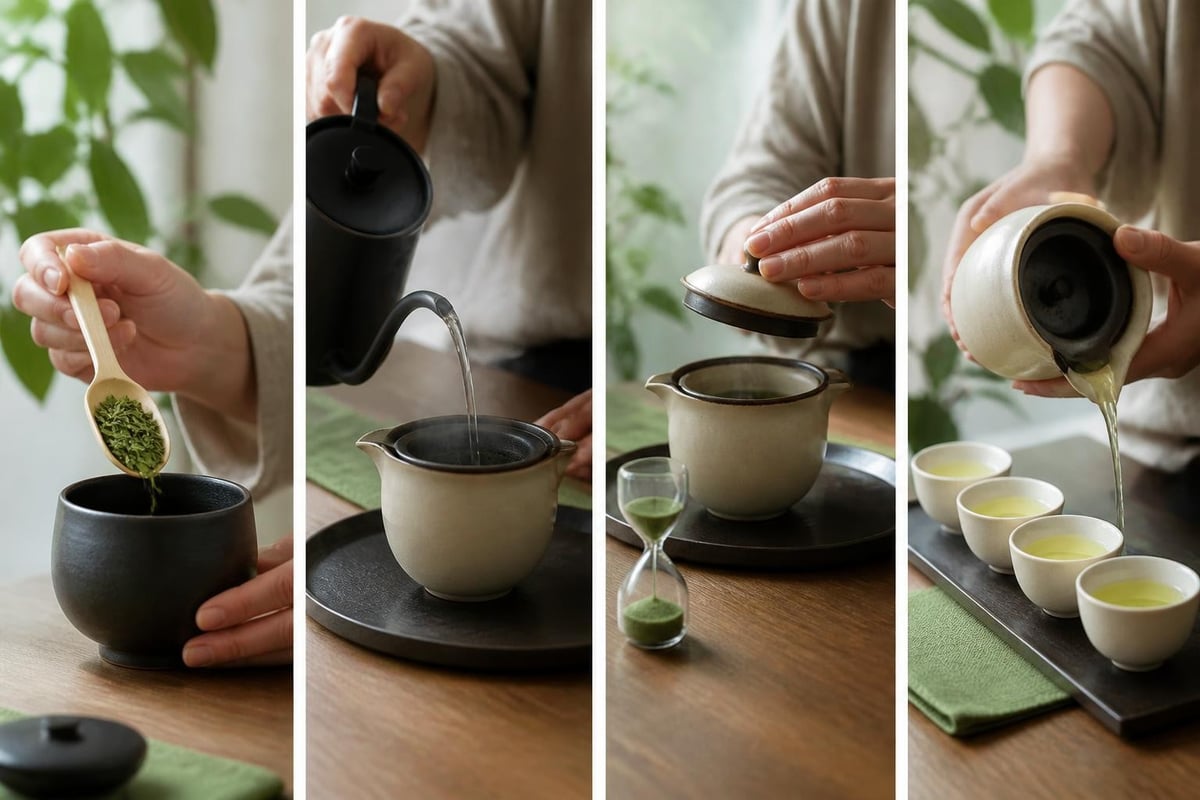
Quality green tea loose leaf tea should yield multiple infusions. The second and third steeps often reveal different flavor dimensions than the first.
Choosing Your Brewing Vessel
Different teaware enhances different aspects of your tea:
Kyusu (Japanese teapot): Side-handle design with fine mesh strainer, perfect for Japanese green teas
Gaiwan (Chinese lidded bowl): Allows precise control over steeping time and temperature, ideal for Chinese varieties
Western teapot with infuser: Convenient for everyday brewing, works well with any green tea loose leaf tea
Individual infuser baskets: Great for brewing single servings directly in your cup
The wide selection of tea accessories available today makes finding the right brewing tools easier than ever.
Sourcing and Quality Indicators
Not all green tea loose leaf tea offers equal quality. Learning to identify superior products protects your investment and guarantees satisfaction.
What to Look For
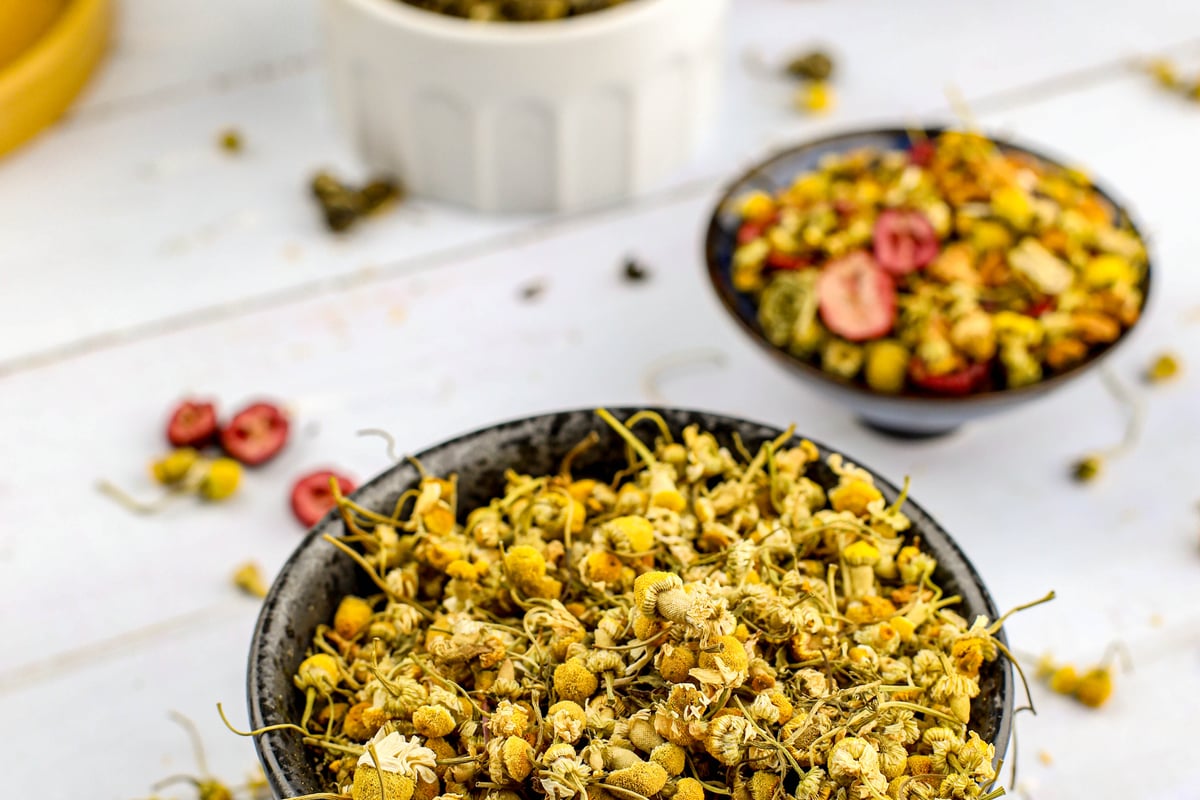
Appearance tells you much about tea quality before you even brew it:
- Uniform leaf size and shape
- Vibrant green, silver, or jade coloring
- Minimal stems and broken pieces
- Fresh, grassy aroma (not musty or stale)
- Appropriate moisture content (dry but not brittle)
Origin transparency matters tremendously. Reputable sellers specify exactly where their teas come from, often down to the specific farm or estate. The 2024 Global Market Report on tea emphasizes traceability as a key quality and sustainability indicator.
Certifications and Standards
Organic certification ensures your green tea loose leaf tea was grown without synthetic pesticides or fertilizers. While not all excellent teas carry organic labels, certification provides peace of mind.
The Rainforest Alliance's 2024 Tea Certification Data Report shows increasing adoption of sustainability standards across the tea industry, particularly for premium loose leaf varieties.
Fair Trade certification supports tea workers and farming communities through guaranteed minimum prices and community development premiums.
Understanding Seasonal Harvests
Green tea loose leaf tea quality varies by harvest time:
- First Flush (Spring): Most prized, sweetest, most delicate
- Second Flush (Early Summer): Stronger, more robust flavor
- Autumn Harvest: Less common, fuller-bodied character
Premium teas often specify their harvest date, allowing you to experience peak freshness.
If you're ready to explore exceptional varieties, the loose tea collection offers carefully curated options from renowned tea-growing regions worldwide.
Storage and Preservation
Proper storage extends the life of your green tea loose leaf tea and maintains its vibrant character for months.
The Four Enemies of Tea
Light degrades tea leaves rapidly, breaking down beneficial compounds and dulling flavor. Store tea in opaque containers away from windows.
Heat accelerates oxidation and staleness. Keep your tea in a cool location, away from stoves, ovens, and sunny spots.
Moisture causes mold growth and destroys tea quality. Ensure containers seal tightly and never use wet spoons to scoop tea.
Oxygen slowly oxidizes tea leaves over time. Minimize air exposure by using appropriately sized containers and resealing promptly after use.
Best Storage Solutions
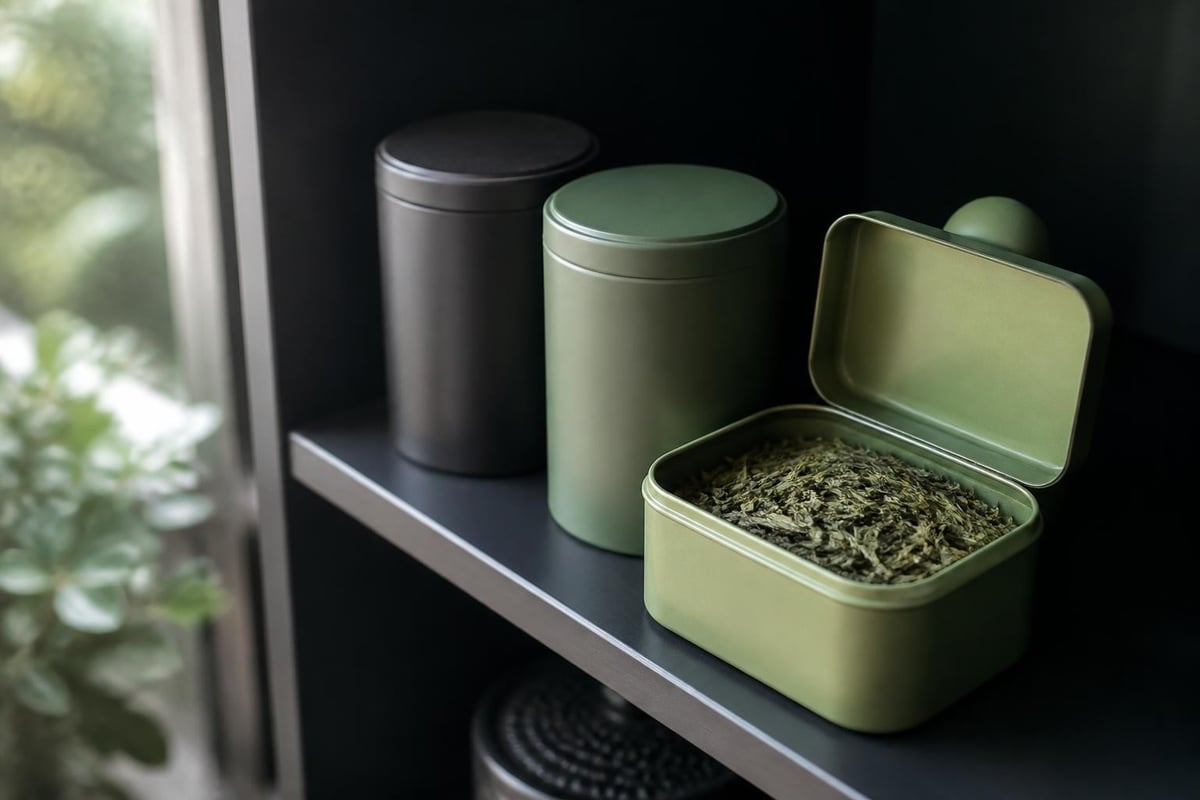
The ideal storage setup for green tea loose leaf tea includes:
- Airtight containers (tin, ceramic, or dark glass)
- Cool, dark cabinet (60-70°F / 15-21°C)
- Low humidity environment (below 60%)
- Separate storage (tea absorbs other odors easily)
- Smaller containers (transfer from bulk bags to reduce air exposure)
Refrigeration works for long-term storage of premium teas, but requires special care. Place tea in completely airtight, moisture-proof packaging and allow it to return to room temperature before opening to prevent condensation.
Shelf Life Expectations
Properly stored green tea loose leaf tea maintains quality for:
- High-grade Japanese teas: 6-12 months
- Chinese green teas: 12-18 months
- Flavored blends: 6-9 months
- Matcha powder: 3-6 months (refrigerated)
Always trust your senses. If tea smells flat, musty, or off, or if it brews into a dull, lifeless cup, it's past its prime regardless of the purchase date.
Economic and Environmental Advantages
Choosing green tea loose leaf tea over bagged alternatives benefits both your budget and the planet.
Cost Analysis
At first glance, loose leaf tea appears more expensive. The real story emerges when you calculate cost per cup:
| Product Type | Package Price | Servings | Price Per Cup | Resteep Potential |
|---|---|---|---|---|
| Premium Loose Leaf | $15 / 50g | 25+ | $0.60 | 2-3 infusions |
| Mid-Range Loose Leaf | $8 / 50g | 20+ | $0.40 | 2 infusions |
| Quality Tea Bags | $6 / 20 bags | 20 | $0.30 | None |
| Discount Tea Bags | $3 / 20 bags | 20 | $0.15 | None |
When you factor in multiple infusions, green tea loose leaf tea often costs less per actual cup while delivering far superior quality.
Sustainability Benefits
Less waste represents the most obvious environmental advantage. Loose leaf tea eliminates the bags, strings, tags, and individual wrappers that create unnecessary garbage.
Most tea bags contain plastic fibers that don't fully decompose. Even "biodegradable" bags may leave microplastics in compost. Green tea loose leaf tea produces only natural, compostable spent leaves.
Lower carbon footprint results from reduced packaging materials, lighter shipping weights, and simplified processing. Harvard Health Publishing notes that choosing quality loose leaf products supports more sustainable tea industry practices overall.
Supporting Tea Communities
Premium green tea loose leaf tea often comes from small farms and artisan producers who use traditional, environmentally gentle methods. Your purchase directly supports these communities and helps preserve tea heritage.
Direct trade relationships between specialty tea vendors and growers ensure fair prices and foster long-term sustainability. This differs markedly from commodity tea markets where farmers receive minimal compensation.
Health and Safety Considerations
While green tea loose leaf tea offers numerous benefits, understanding potential considerations helps you enjoy it safely.
Caffeine Content
Green tea contains 25-50mg of caffeine per cup, roughly half that of coffee. Exact amounts vary by variety, steeping time, and water temperature.
Managing caffeine intake:
- Steep for shorter times to reduce caffeine
- Use cooler water temperatures
- Choose later harvests (naturally lower caffeine)
- Limit consumption to 3-4 cups daily
- Avoid drinking within 4-6 hours of bedtime
The combination of caffeine and L-theanine in green tea loose leaf tea creates calm alertness without the jitters many experience from coffee.
Potential Interactions
Green tea may interact with certain medications and conditions. The World Health Organization's evaluation of contaminants in food provides context for understanding tea safety.
Consult your healthcare provider if you:
- Take blood thinners (vitamin K in green tea affects clotting)
- Have iron deficiency (tannins reduce iron absorption)
- Take stimulant medications (additive effects with caffeine)
- Are pregnant or nursing (moderate caffeine intake recommended)
Drinking tea between meals rather than with food minimizes iron absorption interference.
Quality and Contamination
Reputable vendors test green tea loose leaf tea for heavy metals, pesticides, and other contaminants. Premium teas from established regions with strong quality controls present minimal risk.
Red flags suggesting lower quality or potential contamination:
- Extremely low prices
- No origin information
- Unusual colors or odors
- Exaggerated health claims
- Lack of vendor transparency
Choosing vendors who prioritize testing and transparency, like those at Tealyra, ensures you're getting safe, high-quality products.
Expanding Your Tea Journey
Once you've discovered the joys of green tea loose leaf tea, numerous paths await further exploration.
Tasting and Evaluation
Developing your palate transforms tea from a simple beverage into a fascinating study. Systematic tasting helps you identify what you truly enjoy:
- Observe dry leaf appearance and aroma
- Note the liquor color and clarity
- Inhale the brewed tea's fragrance
- Taste, letting tea coat your entire mouth
- Evaluate body, sweetness, astringency, finish
- Compare multiple steeps from the same leaves
Keep a tea journal recording your impressions. Over time, patterns emerge revealing your preferences and helping you make informed purchases.
Tea and Food Pairing
Green tea loose leaf tea pairs beautifully with many foods:
Delicate Japanese greens complement:
- Sushi and sashimi
- Light fish dishes
- Rice-based foods
- Fresh vegetables
- Mild cheeses
Robust Chinese greens enhance:
- Dim sum and dumplings
- Stir-fried dishes
- Nuts and seeds
- Dark chocolate
- Aged cheeses
Flavored blends match:
- Pastries and desserts
- Fresh fruits
- Breakfast foods
- Light salads
Building Your Collection
As you explore green tea loose leaf tea varieties, consider building a diverse collection:
- Daily drinker: Affordable, reliable, pleasant
- Premium selection: Special occasions, mindful moments
- Flavored options: Variety and fun
- Experimental teas: Trying new regions and styles
- Seasonal specials: Fresh harvests throughout the year
The blog at Tealyra offers ongoing inspiration and education for tea enthusiasts at every level.
Green tea loose leaf tea opens a world of flavor, wellness, and mindful enjoyment that bagged alternatives simply cannot match. From the delicate sweetness of spring-harvest Japanese sencha to the bold character of Chinese gunpowder, whole leaf teas deliver authenticity and quality in every cup. By choosing loose leaf varieties, brewing them properly, and storing them with care, you'll experience tea as it was meant to be enjoyed. Ready to begin your journey with exceptional green teas from around the world? Explore the carefully curated collection at Tealyra, where you'll find premium loose leaf selections, expert guidance, and everything you need to brew the perfect cup.