 by Tealyra
6–12 Months for Green Tea: Research-Backed Storage to Keep It Fresh
Find how long common teas keep flavor, how to spot spoilage, and simple research-backed storage and buying steps to keep every cup fresh.
Tea rarely turns dangerous simply from sitting in the cupboard: most dried teas lose flavor and antioxidants long before they become unsafe to drink. Green tea and matcha fade fastest, while black tea, rooibos, and some oolongs hold their character much longer. The real rule is simple: check for mold, dampness, or an off smell, and let condition, not the calendar, make the call.
TL;DR:
- Black and rooibos teas can often be stored for over a year without losing safety or significant quality, provided they are kept in proper conditions.
- Green tea and matcha should be used within 6 to 12 months for optimal flavor, as their delicate nature makes them more prone to flavor loss and antioxidant decline.
- Proper storage in airtight, opaque containers in a cool, dark place helps prolong tea freshness, especially for green and delicate teas, which are more sensitive to environmental factors.
- Most aged teas are safe to drink if they show no signs of mold, dampness, or off odors, though their flavor and aroma may be significantly muted.
- The “best if used by” date is only a quality guideline; dried teas stored correctly are generally safe past these dates, but flavor diminishes over time, especially in powders like matcha.
Table of Contents
- How long common types of tea typically stay fresh
- How to store tea to keep it fresh
- How to tell if tea is spoiled or just stale
- Safety vs quality: is expired tea safe to drink?
- Buying, rotating, and longer-term storage
- We advise that it’s best to buy what you’ll drink within a few months, store it in an airtight, opaque tin, and write the open date somewhere visible. Freshness depends on habits, not worry. Older tea is rarely dangerous, just quieter in the cup, so let your nose and your taste buds guide your decision.
- How Tealyra helps you keep every cup fresh
- Where to read more about tea freshness and safety
- Sources
- FAQ
How long common types of tea typically stay fresh
Freshness windows depend heavily on how a tea is processed. Oxidized teas like black tea are more chemically stable than delicate, unoxidized greens, and whole leaves hold up better than cut leaves or exposed powders like matcha.
As a general guide:
- Black tea typically stays flavorful for over a year when sealed and stored properly.
- Oolong tea, thanks to partial oxidation, often holds quality for around one to two years.
- Green tea is more delicate and is best used within 6 to 12 months for peak flavor.
- White tea sits in a similar range to green, generally about a year for the brightest taste.
- Herbal and fruit tisanes vary widely but typically taste best within 6 to 12 months, since dried fruit pieces and aromatics fade quickly.
- Rooibos is one of the most durable options, often staying pleasant for over a year.
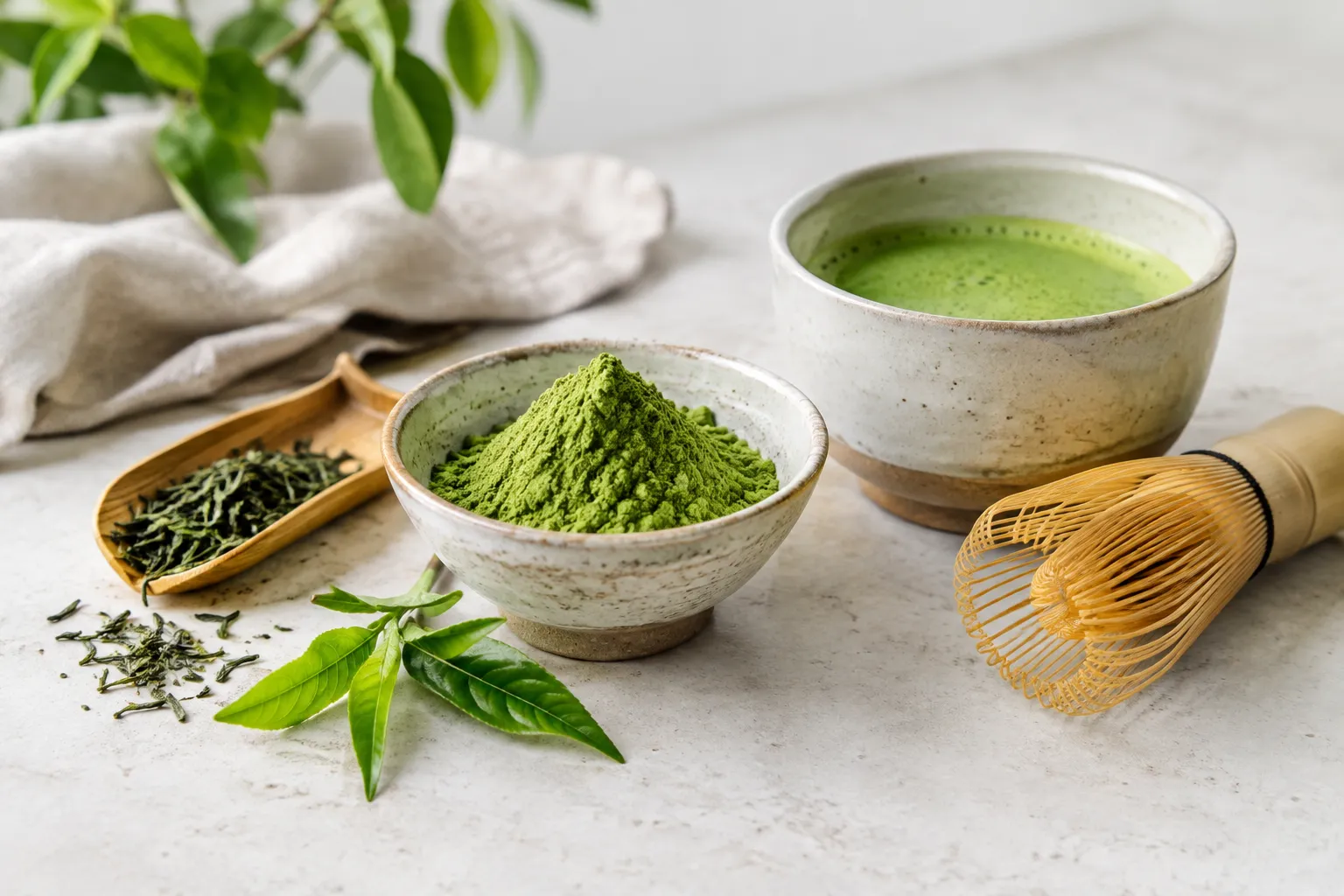
- Matcha, being a fine powder with more surface area exposed to air, is best used within a few months of opening.
A peer-reviewed shelf-life study tracking packaged teas over a full year found that antioxidant activity held up reasonably well through the first 90 to 120 days, then declined more quickly after 180 days, with substantial losses in several measures by around 330 days. Oolong in that research retained its antioxidant activity longer than the other types tested, which lines up with what tea drinkers notice by taste alone: oxidized teas simply age more gracefully than green ones.
How to store tea to keep it fresh
Good storage is mostly about blocking four enemies: heat, light, air, and moisture. Get those right and almost any tea will outlast its expected freshness window.
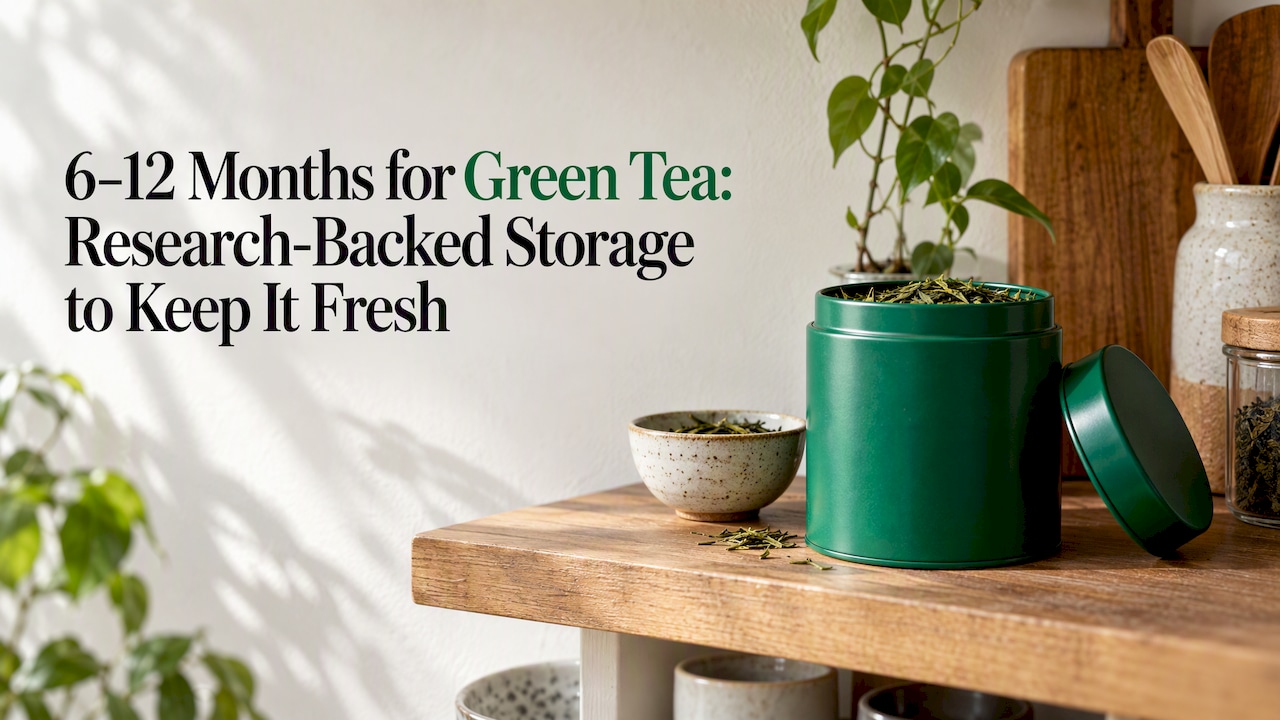
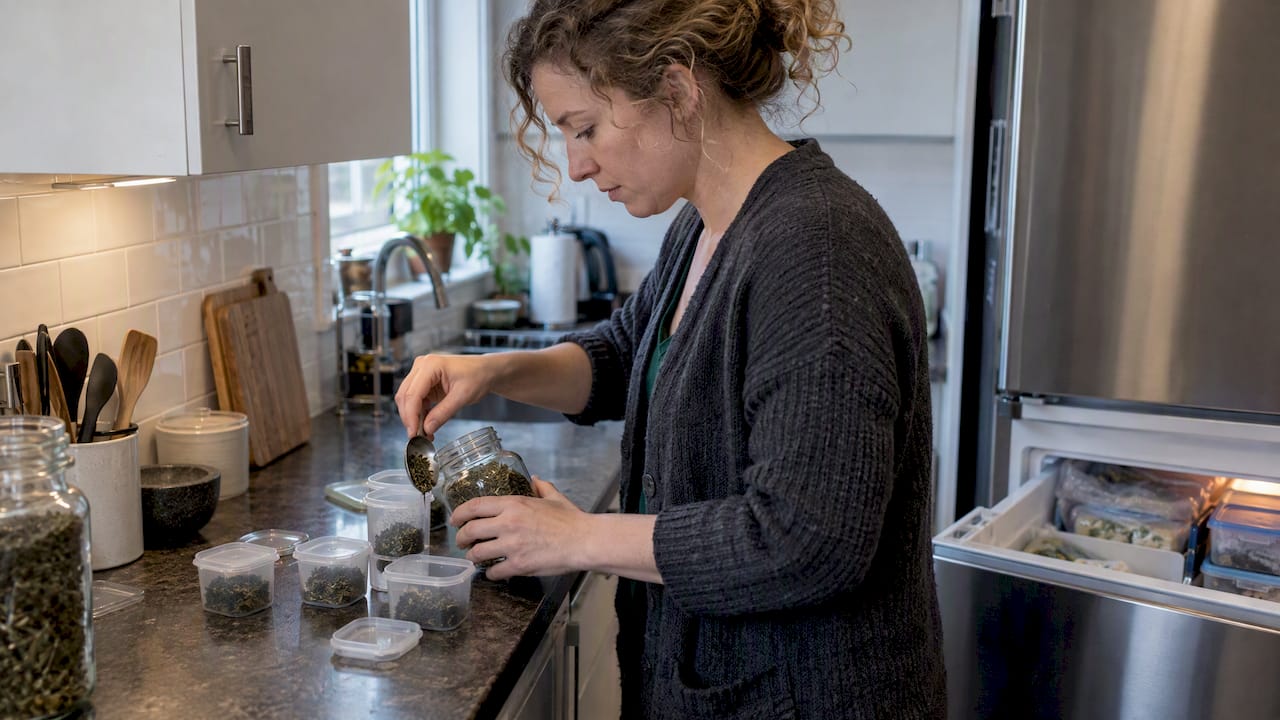
- Transfer loose tea into an airtight, opaque container as soon as the original package is opened.
- Keep that container in a cool, dark cupboard, away from the stove, oven, or any spot that gets direct sunlight.
- Avoid storing tea near spices, coffee, or anything aromatic, since dried tea leaves absorb odors easily.
- Keep the lid sealed between uses rather than leaving the container open while you scoop.
- If the tea came in a foil-lined, resealable bag, you can often leave it in that packaging and simply press out the air and fold the seal tightly after each use.
Original packaging works well for short-term storage, but a proper tin or glass jar with a tight gasket gives better long-term protection, especially for delicate greens and matcha. Whichever you choose, label it with the date you opened it. That one habit does more for freshness than almost anything else, because it turns guesswork into a simple visual reminder.
Buying smaller quantities of delicate teas and rotating older stock to the front of the shelf keeps your whole collection fresher, cup for cup.
Pro Tip: Keep a strip of masking tape and a marker near your tea shelf so labeling the open date takes five seconds, not five minutes.
How to tell if tea is spoiled or just stale
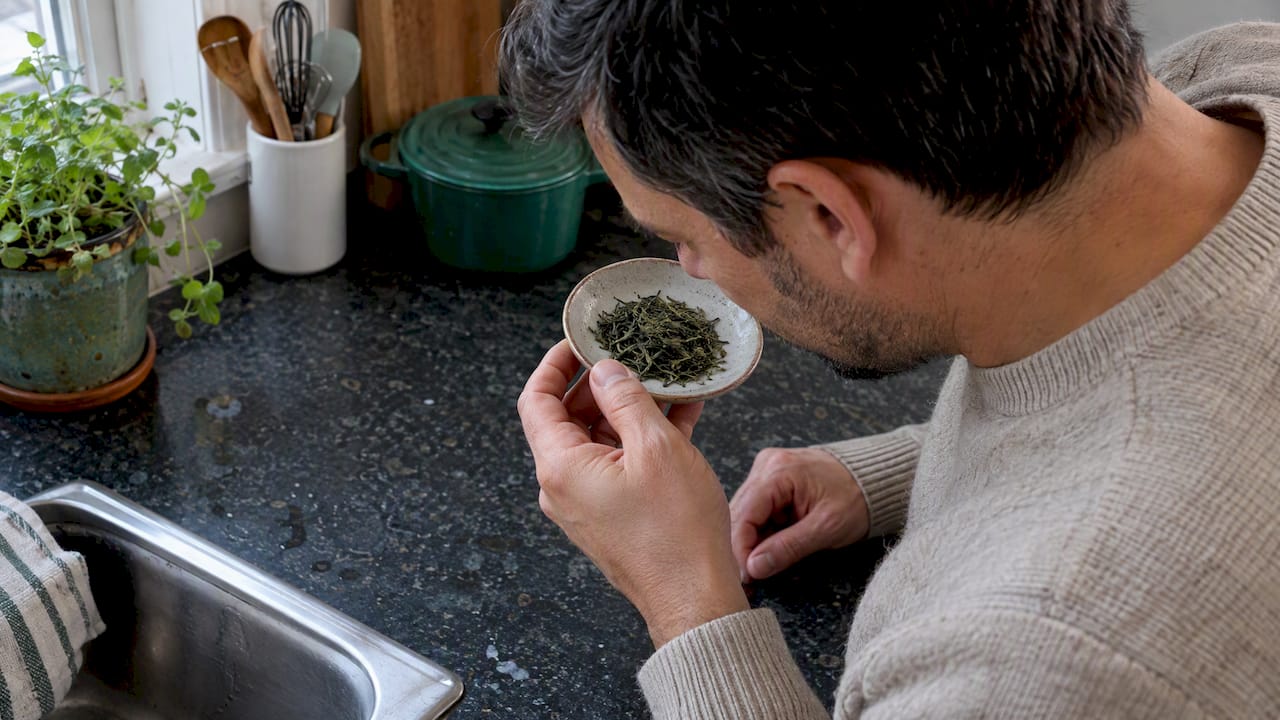
Most old tea is stale, not spoiled, and the difference matters. Stale tea has lost aroma and depth but is generally still safe to drink. Spoiled tea shows physical signs of trouble and should go straight in the trash.
Before brewing, give your tea a quick look and sniff:
- Mold, fuzzy spots, or any visible growth mean immediate disposal, no tasting required.
- Damp clumping suggests moisture got in, which creates the right conditions for mold even if none is visible yet.
- Insect evidence, such as tiny holes or debris, is a clear discard signal.
- Sour, musty, or chemical odors point to spoilage rather than simple aging.
- A faded, flat aroma with no sour or musty notes usually just means the tea has lost potency over time.
When in doubt, trust your nose before your taste buds.
Safety vs quality: is expired tea safe to drink?
A “best if used by” date describes peak quality, not a safety cutoff, according to FDA guidance on food date labels. Dried tea that looks and smells normal, with no mold, dampness, or off odor, is generally safe to drink even past its printed date, though it may taste weaker.
The exception is intentionally aged tea, like certain pu-erh varieties, where controlled aging is part of the process and storage history matters more than the number of years on the label.
Buying, rotating, and longer-term storage
Matching your purchase size to how quickly you actually drink tea prevents most freshness problems before they start. If you rotate through many delicate greens or matcha, buy smaller bags more often rather than stockpiling.
- Use date-opened labels and a first-in, first-out system so older tea gets used before newer stock.
- Reserve your freezer for sealed, unopened tea you won’t touch for months, since it can slow quality loss when done correctly.
- Thaw frozen tea only once: repeated freeze-thaw cycles introduce condensation that speeds up staleness.
USDA ARS research tracking green tea catechins over six months of room-temperature storage found a steady decline in these antioxidant compounds, a useful reminder that even well-sealed tea benefits from being used within a reasonable window rather than saved indefinitely.
Pro Tip: Freeze tea in the smallest portions you’d realistically use in one sitting, so you’re never thawing more than you need.
We advise that it’s best to buy what you’ll drink within a few months, store it in an airtight, opaque tin, and write the open date somewhere visible. Freshness depends on habits, not worry. Older tea is rarely dangerous, just quieter in the cup, so let your nose and your taste buds guide your decision.
How Tealyra helps you keep every cup fresh
Buying tea in the right amount is one of the easiest ways to protect its flavor, and that’s exactly what Tealyra makes simple. With loose-leaf green, black, white, oolong, herbal, rooibos, chai, and matcha available in a range of package sizes, you can buy only what you’ll use before quality starts to fade.
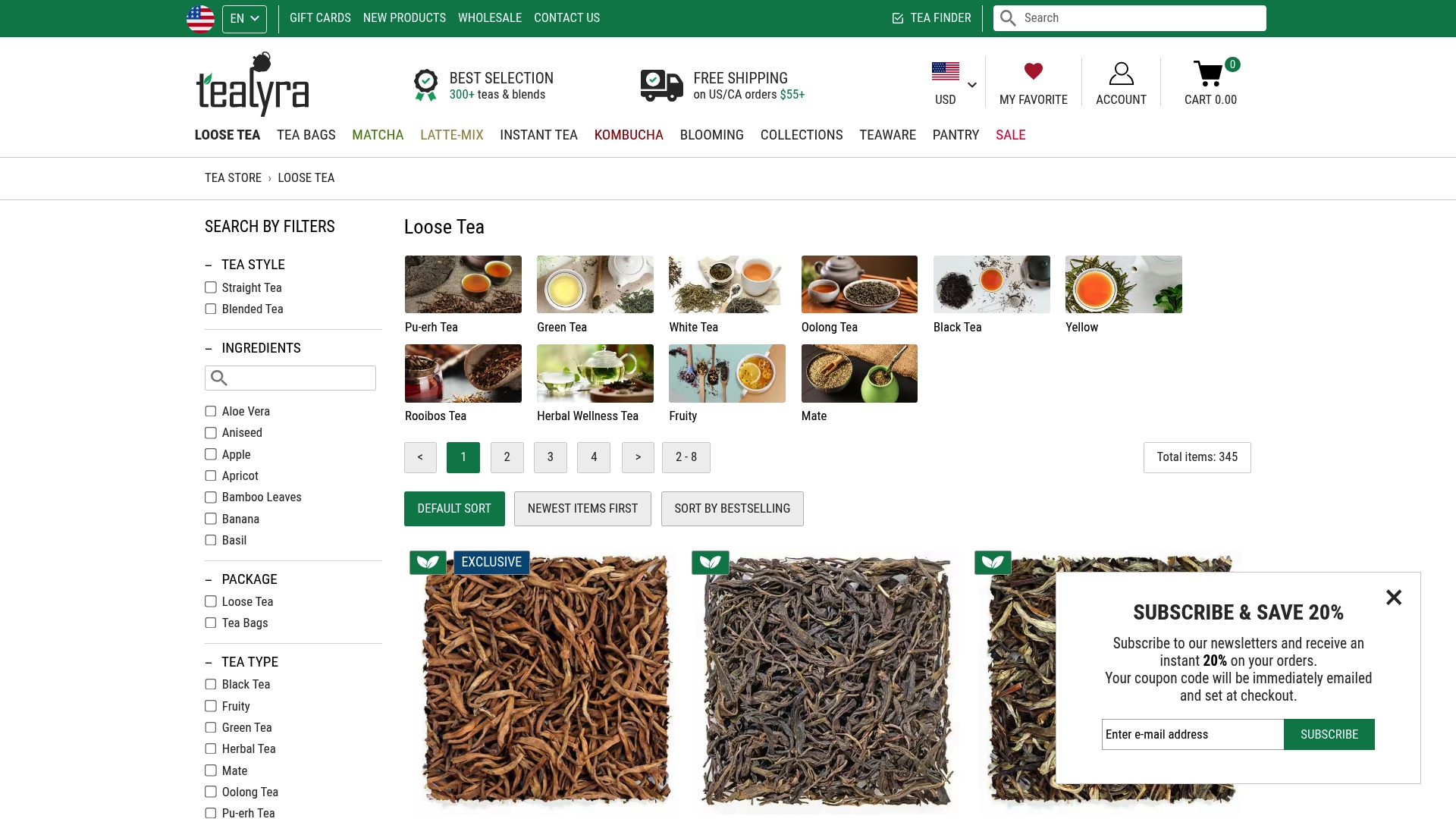
Browsing the full loose leaf tea collection lets you:
- Choose smaller bags for delicate teas like green or matcha, and larger ones for sturdier types like rooibos or black tea.
- Explore blends and single-origin options not found on every shelf.
- Take advantage of free shipping on orders over $55, making it easy to restock smaller amounts more often.
If your tea collection could use a refresh, start with the Tealyra store and pick sizes that match how you actually drink tea.
Where to read more about tea freshness and safety
- The FDA FoodKeeper guidance covers pantry, fridge, and freezer storage times and explains the difference between quality dates and safety.
- A PMC shelf-life study measured antioxidant decline in packaged tea over a full year.
- USDA ARS research tracked catechin stability in green tea over six months of storage.
- A coffee storage science guide offers useful parallels for how heat, light, and air affect dried plant products generally.
Sources
- Temporal depletion of packaged tea antioxidant quality under commercial storage condition — PMC
- Stability of green tea catechins in commercial tea leaves during storage for 6 months — USDA ARS
- Food Facts - How to Cut Food Waste and Maintain Food Safety (FoodKeeper reference) — FDA
- Guidance on Labeling of Foods That Need Refrigeration by Consumers — FDA
FAQ
Can I drink 10 year old tea?
Tea that old has almost certainly lost much of its original flavor and antioxidant content, but it’s usually still safe to drink if it was stored dry and shows no mold, dampness, or off odor. Expect a flat, muted cup rather than any health risk. Intentionally aged teas like pu-erh are the exception, where age can even be desirable.
Can you drink 30 year old tea?
Drinking tea that’s 30 years old carries little safety risk as long as it stayed dry and sealed, since dried tea doesn’t support bacterial growth the way moist foods do. The flavor, however, will likely be very faded or flat. Check for mold or musty smells before brewing, and skip it if either is present.
Can I drink 2 year old tea?
Yes, tea that’s 2 years old is very likely safe to drink, and depending on the type, it may still taste good. Black tea, rooibos, and many oolongs often hold their character well past two years, while green tea and matcha will have faded more noticeably by then.
Is expired tea still ok to drink?
In most cases, yes: the date on tea packaging reflects peak quality rather than a safety deadline, according to FDA labeling guidance. Inspect the tea for mold, dampness, or unusual odors first, and if it looks and smells normal, it’s generally fine to brew even if the flavor has softened.