 by Tealyra
4 Teas for Digestion, Matched to Your Symptom
Match peppermint, ginger, chamomile, or fennel to cramps, nausea, bloating, or upset. Evidence-aware picks, safety notes, and simple brewing advice.

For short-term digestive relief, reach for peppermint if you’re dealing with cramps, ginger for nausea, chamomile for mild upset, and fennel for bloating. Tea works best as supportive hydration alongside good habits, not as a stand-alone cure. The strongest clinical evidence backs peppermint oil capsules rather than brewed tea, so treat tea as a gentle first step and skip peppermint if you have reflux.
TL;DR:
- Peppermint oil capsules have strong evidence for improving IBS symptoms, but brewed peppermint tea provides a milder, untested alternative for occasional cramps.
- Ginger tea is supported by research for nausea relief and is a safe daily choice, especially when queasiness or motion sickness are present.
- Chamomile tea may soothe mild upset and promote relaxation, but its digestive benefits are still considered preliminary and should be used cautiously by allergy sufferers.
- Fennel and other bitter herbs show limited human data but are traditionally used to reduce bloating and gas, making them worth trying one at a time.
- Herbal teas should be tested individually with unsweetened, single-ingredient options, and used alongside diet and lifestyle changes for best short-term relief.
Table of Contents
- 1. Top teas to try for digestion
- 2. Which tea should you pick for your symptom?
- 3. Safety, side effects, and drug interactions to watch for
- 4. How to brew, dose, and test a digestive tea safely
- 5. How these teas actually work in your gut
- 6. Digestive teas across history and culture
- 7. Medications that can clash with digestive teas
- 8. Combining teas with diet and lifestyle changes
- 9. Caffeinated versus non-caffeinated teas for digestion
- 10. What Tealyra thinks about digestive teas
- Where to find quality single-ingredient digestive teas
- Where these findings come from
- Sources
- FAQ
1. Top teas to try for digestion
Not every digestive tea has the same evidence behind it, and knowing the difference helps you set realistic expectations. Here’s what the research actually supports for each one, and where the science thins out.
Peppermint is the best-studied herb on this list, though almost all of that research involves peppermint oil capsules rather than brewed tea. A meta-analysis of 12 randomized trials covering 835 patients found that enteric-coated peppermint oil improved global IBS symptoms and abdominal pain compared with placebo. That’s a meaningful result, but it’s specific to a concentrated oil formulation designed to release in the intestine, not to a cup of steeped leaves. Brewed peppermint tea likely offers a milder version of that relaxing effect on gut muscle, useful for occasional cramping, but it hasn’t been tested the same way.
Ginger has a longer track record for nausea specifically. The NCCIH’s ginger summary notes research support for nausea relief, alongside traditional use for general digestive discomfort like post-meal heaviness or motion sickness. Ginger tea is a reasonable everyday choice precisely because the dose in a cup is modest enough to be low risk for most people.
Chamomile is milder still. According to NCCIH’s chamomile page, it’s likely safe in the amounts found in tea, and it’s traditionally used to ease mild stomach upset and promote relaxation, which can indirectly calm a nervous stomach. The evidence for direct digestive benefit remains preliminary.
Beyond these three, several other options show up often in digestive tea blends:
- Fennel has some small-study support for reducing gas and easing stomach motility, though human data stays limited.
- Licorice root is traditionally used for stomach discomfort but carries blood pressure risks with regular use and isn’t a fit for daily rotation.
- Gentian and dandelion are traditional bitters believed to stimulate digestive secretions, with little modern clinical testing behind that claim.
- Green and black tea contain caffeine and tannins that can aid alertness but may irritate a sensitive stomach or worsen reflux in some drinkers.
A roundup from Healthline reaches a similar conclusion: peppermint, fennel, ginger, and chamomile show up again and again in traditional use and preliminary research for bloating and stomach complaints, but stronger human trials on the brewed teas themselves are still needed. Try one herb at a time, unsweetened, and give it a few days before judging whether it’s helping.
2. Which tea should you pick for your symptom?
Matching the tea to the actual problem matters more than picking whatever sounds soothing. Use this as a quick reference, then check the safety section before you commit to daily use.
- Nausea: start with ginger tea first; peppermint can also settle queasiness but may aggravate reflux if that’s a factor.
- Bloating or gas: fennel, peppermint, and chamomile are the traditional go-to choices; if bloating is constant, check whether constipation is the underlying cause.
- Cramping or IBS-type pain: peppermint has the most trial support, though that evidence is built on oil capsules rather than tea; chamomile is a gentler option when anxiety is part of the picture.
- Constipation: hydration and fiber intake matter more than any single tea; senna-based teas work as a stimulant laxative but shouldn’t become a daily habit.
- Reflux or heartburn: skip peppermint, since it can relax the sphincter that keeps stomach acid down; chamomile or a mild, non-minty herbal blend is the safer pick.
3. Safety, side effects, and drug interactions to watch for
Herbal doesn’t mean risk-free, and a few of these teas deserve real caution depending on your health history.
- Peppermint can worsen GERD symptoms, and remember that the strongest clinical evidence applies to peppermint oil capsules, not tea, so don’t expect tea to match those results.
- Chamomile can trigger allergic reactions in people sensitive to ragweed or related plants, and the NCCIH flags possible interactions with blood thinners like warfarin and with sedative medications.
- Ginger is generally well tolerated but can cause heartburn, abdominal discomfort, or diarrhea in some people, per NCCIH’s ginger summary.
- Senna and other stimulant laxative teas aren’t meant for daily, ongoing use; relying on them regularly can affect normal bowel function over time.
- Pregnant people, nursing parents, and children should check with a clinician before adding any of these teas regularly, since safety data for these groups is thinner across the board.
Pro Tip: Introduce one single-ingredient tea at a time, unsweetened, so you know exactly what’s causing any change, good or bad.
4. How to brew, dose, and test a digestive tea safely
Running your own simple trial beats guessing. This approach keeps the process low-risk while giving you a real read on whether a tea helps.
- Pick a single-ingredient loose-leaf tea or teabag rather than a complex blend, so you can isolate the effect.
- Follow the package’s steeping time and temperature, and skip added sugar or milk for the first trial.
- Drink one cup after a meal or right when symptoms start, rather than dosing throughout the day.
- Keep a short symptom log for three to seven days, noting timing, intensity, and anything else you ate or drank.
- Stop and check with a clinician if symptoms get worse or don’t improve after a week of consistent use.
5. How these teas actually work in your gut
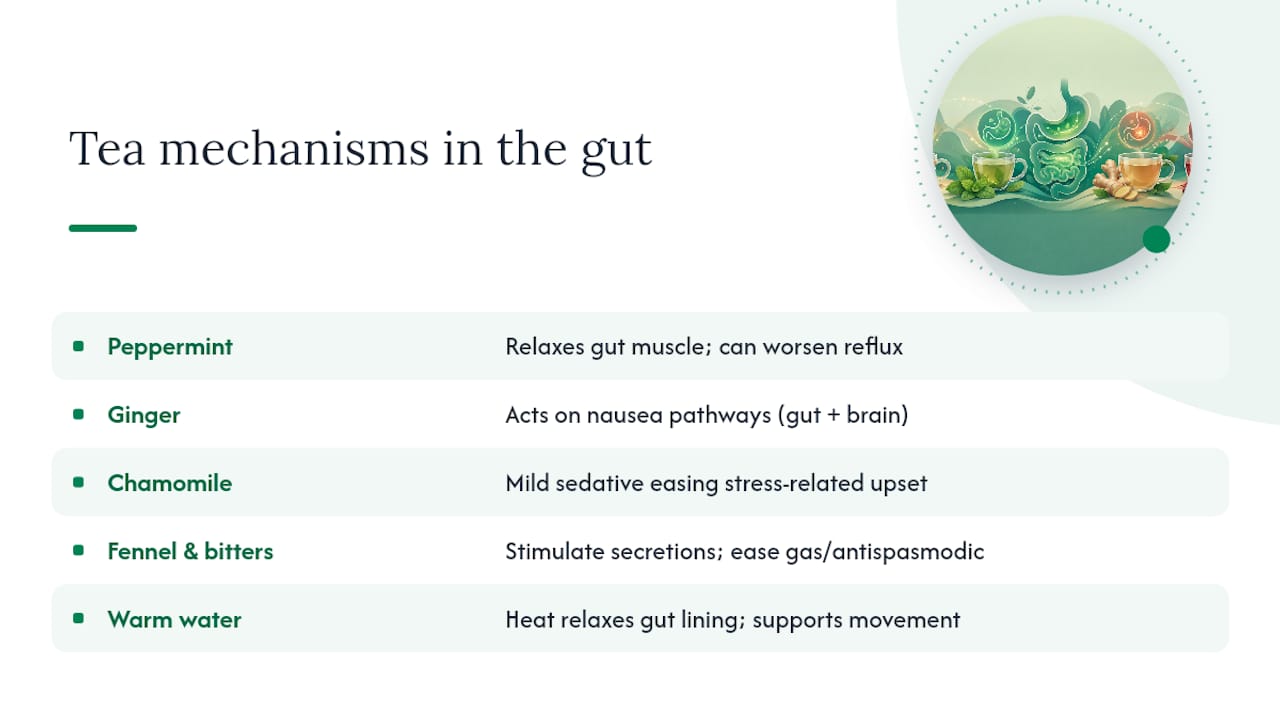
The mechanisms behind these teas are more modest than marketing copy sometimes suggests. Peppermint’s active compound, menthol, appears to relax smooth muscle in the digestive tract, which is the likely reason enteric-coated peppermint oil eases IBS cramping in trials. That same relaxing effect on the lower esophageal sphincter is exactly why peppermint can backfire for reflux, letting stomach acid travel upward more easily.
Ginger is thought to work on nausea pathways in the gut and possibly the brain’s signaling around motion sickness and queasiness, which lines up with its stronger evidence base for nausea specifically. Chamomile’s calming reputation ties partly to its mild sedative compounds, which may ease a stomach that’s upset because of stress or tension rather than a purely mechanical digestive issue.
Fennel and other bitter herbs like gentian and dandelion are traditionally believed to stimulate digestive secretions or ease gas through mild antispasmodic action, though the physiological evidence in humans stays thin. Warm water itself also plays a role: heat can relax the gut lining and support movement, which is part of why even a plain warm tea sometimes feels soothing regardless of the herb inside it. None of these mechanisms amount to repairing or curing anything. They’re mild, temporary nudges to a system that mostly regulates itself.
6. Digestive teas across history and culture
Steeping herbs for stomach relief is far from a modern wellness trend. Peppermint tea traces back to ancient Egyptian and Greek use for stomach complaints, and it became a staple in European herbal medicine long before clinical trials existed. Ginger has an even longer history, used across Traditional Chinese Medicine and Ayurvedic practice for centuries to settle nausea and warm a sluggish digestion.
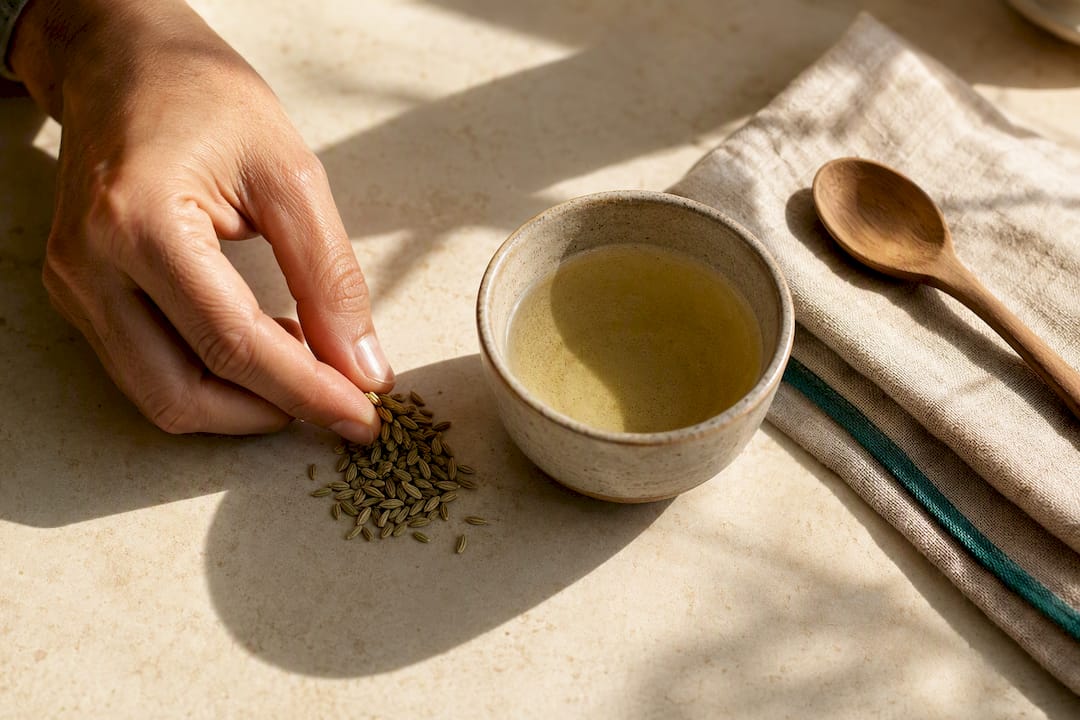
Chamomile shows up in ancient Egyptian, Greek, and Roman remedies, often for calming and digestive purposes alike, and it remains a bedtime staple across much of Europe today. Fennel tea has roots in Mediterranean and Indian cooking traditions, frequently served after meals, sometimes as chewed seeds rather than tea, specifically to reduce bloating and freshen breath. Licorice root has a similarly long history in both Chinese and Middle Eastern herbal traditions for soothing the stomach lining.
What’s notable is how consistently different cultures landed on similar herbs for similar complaints, long before anyone understood the underlying chemistry. That consistency is part of why these plants earned a spot in modern research at all, even if the clinical evidence hasn’t caught up to centuries of anecdotal use.
7. Medications that can clash with digestive teas
A few specific drug combinations deserve more attention than a general “check with your doctor” caveat. Chamomile’s potential interaction with warfarin and other blood thinners is one of the more concrete concerns flagged by the NCCIH, since chamomile may add to the blood-thinning effect and raise bleeding risk. Chamomile can also compound the effects of sedative medications, including some anti-anxiety prescriptions and sleep aids, making drowsiness more pronounced than expected.
Licorice root tea is worth flagging separately from the general herbs list: it can interact with blood pressure medications and certain diuretics, since licorice itself can raise blood pressure and affect potassium levels with regular use. Peppermint tea can interact with medications for acid reflux or GERD, since it works against the mechanism those medications are trying to support. Ginger, while generally mild, may have an additive effect when combined with blood-thinning medications, given ginger’s own mild effect on platelet function noted alongside its more common side effects like heartburn and diarrhea.
If you take a regular prescription for blood pressure, blood thinning, sedation, or reflux, mention any daily herbal tea habit to your pharmacist or doctor rather than assuming it’s automatically safe.
8. Combining teas with diet and lifestyle changes
Tea works better as one piece of a broader approach than as a solution on its own. If bloating is a recurring issue, pairing a fennel or peppermint tea with smaller, slower meals and a look at common gas-producing foods, like beans, carbonated drinks, or artificial sweeteners, tends to do more than the tea alone.
For constipation, a tea won’t outperform the basics: adequate water intake, fiber from food, and regular movement matter more than any herbal choice. Save senna-based teas for occasional, short-term use rather than a daily fix.
Layering more than one tea in a single day is fine as long as you’re not stacking ingredients that share the same risk, like combining chamomile with another sedative-leaning herb on a day you’re also taking a prescription sedative. If you’re testing a new tea alongside a dietary change, introduce one variable at a time so you can actually tell what helped. Some readers also build a broader daily routine around functional beverages for energy and focus, which can complement a digestive tea without competing with it as long as ingredients don’t overlap in ways that raise risk.
9. Caffeinated versus non-caffeinated teas for digestion
Caffeine content changes how a tea behaves in your gut, and it’s worth separating from the herb itself. Green and black teas contain caffeine and natural tannins, which can boost alertness but also stimulate stomach acid production, a combination that sometimes worsens reflux or an already sensitive stomach on an empty stomach.
Herbal teas like peppermint, ginger, chamomile, and fennel are naturally caffeine-free, which makes them a gentler choice when the goal is calming digestion rather than adding a stimulant. That’s part of why these four dominate digestive tea recommendations: they don’t add the acid-stimulating effect that caffeinated teas can bring.
That said, tea itself is rarely the direct cause of bloating for most drinkers. According to Everyday Health, added milk or certain sweeteners are more often the real culprit behind bloating symptoms some people blame on the tea itself. If a caffeinated tea seems to bother your stomach, try it plain before ruling out the tea entirely.
10. What Tealyra thinks about digestive teas
We built our herbal collection around the same principle this article follows: single-ingredient teas let you actually see what’s working. A cup of peppermint, ginger, chamomile, or fennel is comfort and hydration first, never a substitute for medical care when symptoms persist.
What we can offer is transparency: clearly labeled, single-origin herbs so you know exactly what’s in your cup, which matters when you’re testing for sensitivities or trying to isolate an effect.
— Tealyra
Where to find quality single-ingredient digestive teas
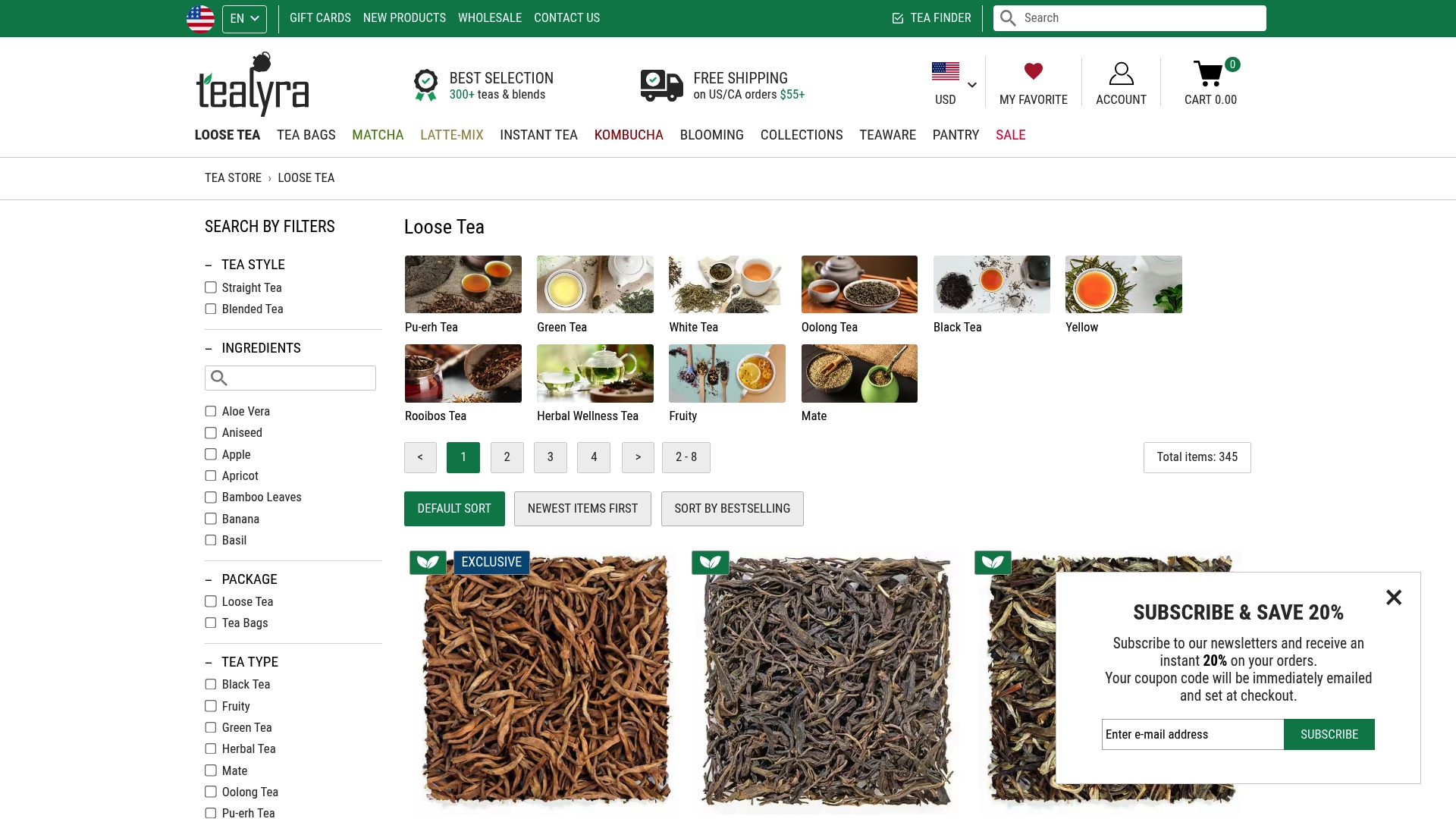
If you’re ready to try one of these herbs on its own terms, shopping for a genuine single-ingredient tea, not a blend padded with flavorings, makes the self-testing method above far more reliable. Tealyra’s loose leaf tea collection includes peppermint, ginger, chamomile, and fennel among more than 300 loose-leaf varieties, so you’re choosing the herb rather than guessing what else is mixed in.
- Single-ingredient herbal options make it easy to isolate what’s actually helping your stomach.
- Shipping offers apply on certain order sizes.
- Some blends in the collection are exclusive to this retailer.
Browse the loose-leaf tea selection and start with one herb, unsweetened, to see how your gut responds.
Where these findings come from
- NCCIH: chamomile, ginger, and IBS guidance
- Peppermint oil meta-analysis
- Healthline’s bloating tea roundup
This article is general information, not a substitute for advice from a qualified doctor. Consult a qualified healthcare professional about your own circumstances before acting on anything here.
Sources
- The efficacy of peppermint oil in irritable bowel syndrome: a meta-analysis of randomized controlled trials
- Chamomile: Usefulness and safety | NCCIH
- Ginger: Usefulness and safety | NCCIH
- Irritable bowel syndrome: What you need to know | NCCIH
- 8 herbal teas to help reduce bloating | Healthline
FAQ
What teas help with bowel movements?
Senna tea acts as a stimulant laxative and can help with occasional constipation, but it isn’t meant for daily, long-term use. For regular bowel support, hydration and fiber matter more than any single tea, and dandelion or fennel are sometimes used traditionally to support gentle digestion.
Can I drink tea for digestion?
Yes, herbal teas like peppermint, ginger, chamomile, and fennel are commonly used for digestive discomfort, and NCCIH confirms ginger in particular has research support for nausea relief. Tea works best as supportive comfort alongside diet and lifestyle changes, not as a replacement for medical treatment.
What can I drink to repair my gut?
No tea has been shown to repair or heal the gut. As Healthline notes, tea can hydrate and soothe mild discomfort, but lasting digestive health depends on diet, fiber, movement, and medical care when needed.
Which tea is good for stomach bloating?
Peppermint, fennel, chamomile, and ginger are the herbs most often recommended for bloating, based on traditional use and preliminary research summarized by Healthline. Try one at a time, unsweetened, and note whether it actually helps before making it a regular habit.