 by Tealyra
Tea Bags Variety Pack: The Complete Buying Guide
Explore what makes a great tea bags variety pack. Compare blends, find the right selection for your taste, and save time while discovering new favorites.
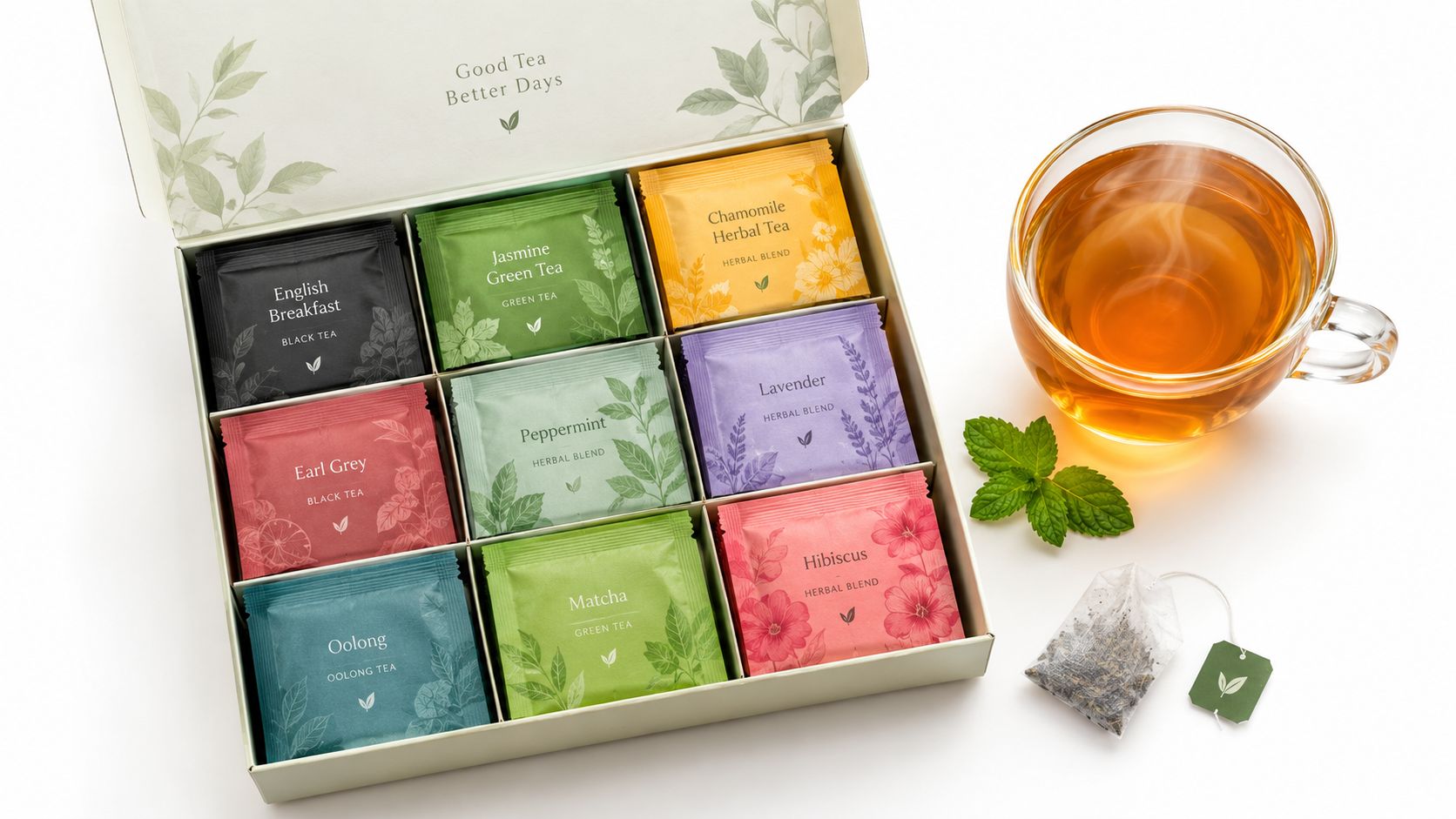
You know the moment. It's late afternoon, you want something calmer than coffee but not as sleepy as hot milk, and the kitchen has one box you half trust and three more you've never opened. A tea bags variety pack solves that little daily puzzle without turning tea into homework.
A good mixed box feels like a tasting shelf at a tea shop. One bag can be brisk and malty, another soft and grassy, another herb-forward and sleepy, and suddenly the decision is no longer “tea or no tea,” it's “which cup fits this hour?” That's why variety packs have moved from novelty to a normal part of how people buy tea, in a market that's now measured in billions of dollars and supported by broad global packaging demand, not a tiny niche. The category is large enough to keep expanding, with industry estimates placing the global tea bag market at USD 7.22 billion in 2024 and projecting USD 10.66 billion by 2030, while another forecast places it at USD 8.24 billion in 2026 and USD 13.58 billion by 2033 (Grand View Research).
Table of Contents
- What is a Tea Bags Variety Pack
- Who Should Try a Tea Sampler Box
- Common Blends and Flavor Profiles
- How to Choose the Right Pack for Your Taste
- The Science Behind Freshness and Flavor
- Value and Sustainability Considerations
- Building Your Personal Tea Collection
What is a Tea Bags Variety Pack
The simplest way to think about a tea bags variety pack is this, it's a curated box of different teas made for sampling, comparison, and everyday flexibility. Instead of buying twenty cups' worth of one flavor you might not finish, you get a small set of options that each serve a different mood, time of day, or guest preference.
A box might hold black tea, green tea, herbal infusions, flavored blends, or functional cups built around ingredients like ginger or matcha. That mix matters because tea is not one experience. A breakfast-style black tea behaves differently in the cup than chamomile at night, and a citrus blend tells a different story again.
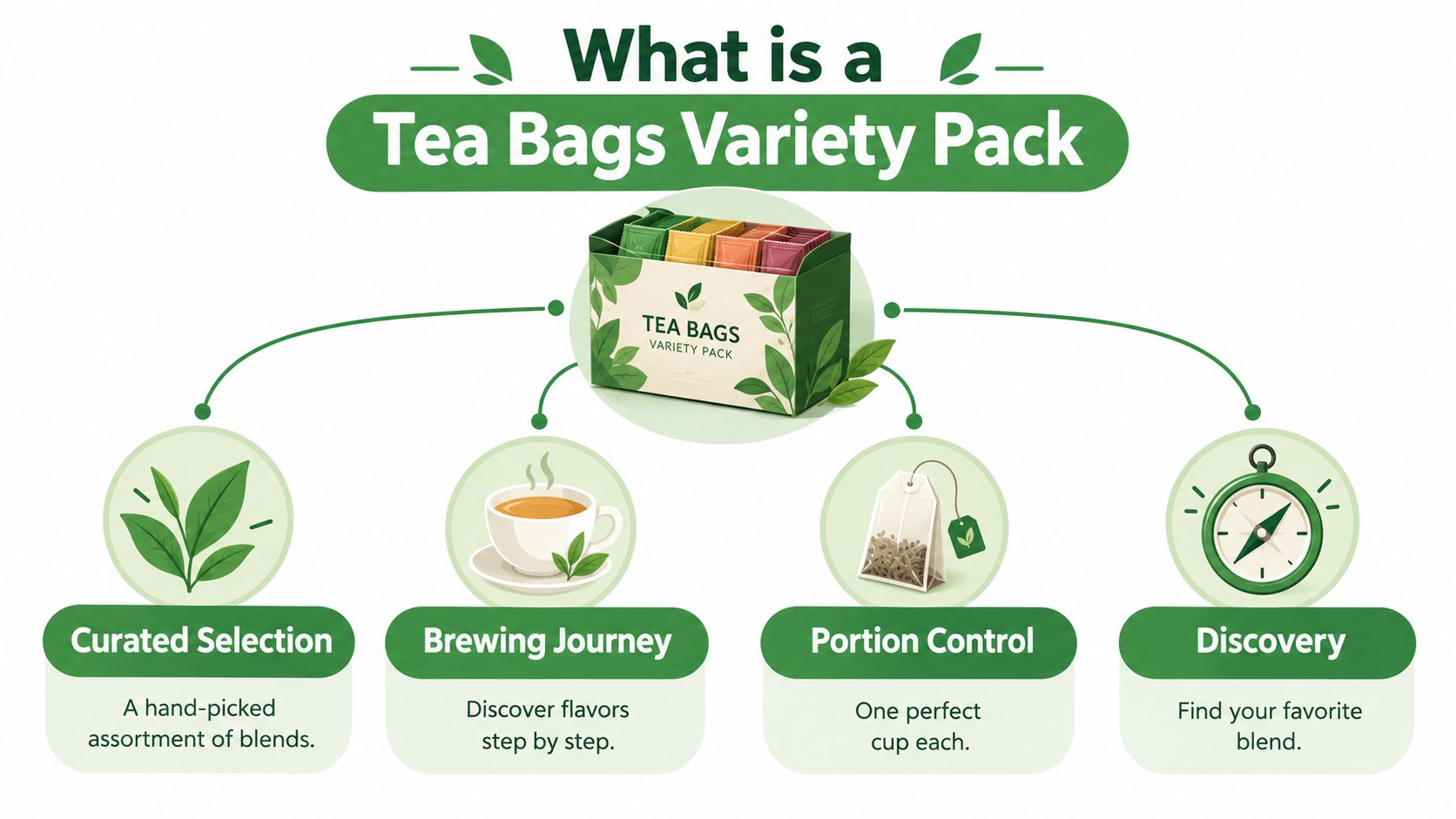
A tasting menu for the pantry
If you've ever stood in front of a tea shelf and thought, “I want tea, but not that tea,” this format is built for you. It cuts down on commitment while keeping the experience interesting, which is why it works so well for beginners and for regular drinkers who've grown tired of the same tin.
The best packs don't feel random. They feel edited, the way a shop owner might hand you a flight that starts with something familiar and then nudges you toward a new favorite. If you want to browse a broad tea-bag range as a reference point, Tealyra's tea bags selection shows how different bagged formats can be grouped for everyday use.
For a broader look at how tea trends are evolving, I'd also point you to fresh tea insights, especially if you like comparing flavor habits with what's happening in the market.
Practical rule: If a box gives you only one mood, it's a simple tea bundle. If it gives you morning, afternoon, and evening choices, it's acting like a real variety pack.
Who Should Try a Tea Sampler Box
A sampler box is most useful when choice has become friction. That happens to beginners, of course, but it also happens to experienced tea drinkers who are bored, hosts who need options, and anyone who wants caffeine control without building a whole cabinet of full-size boxes.
The scale of the category explains why. Tea bags are widely normalized in major tea-drinking markets, with the UK moving from 3% household use in the early 1960s to 96% by 2007, and reported U.S. usage at 98% (World Tea News). Once the format became standard, the actual decision shifted from “Do I drink tea bags?” to “Which kind do I want today?” That's exactly where sampler packs help.
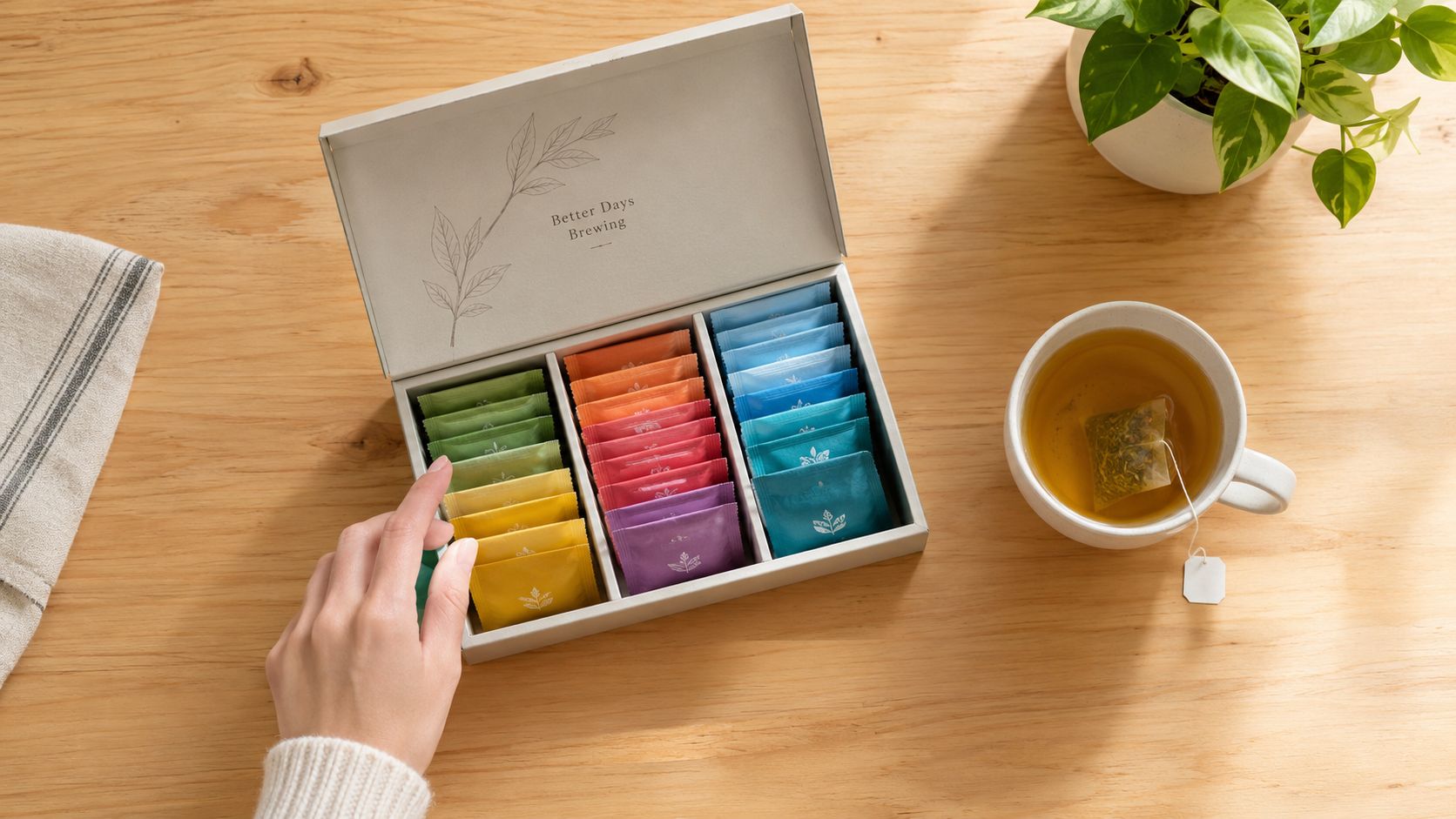
Beginner, host, or regular drinker
For a beginner, variety removes the fear of making the wrong purchase. You're not locking yourself into twenty identical cups before you know whether you like bergamot, mint, or plain black tea.
For a host, the value is obvious. Guests rarely arrive with the same preferences, and a mixed box lets you offer a caffeinated option, a caffeine-free option, and something gentle without turning your pantry into a full tea shop.
For a routine drinker, the box can break autopilot. The beauty is that you can move between cups instead of staying stuck in one lane, and that's often where preferences sharpen. If you want a practical way to narrow those choices, Tealyra's guide on how to choose tea is a useful complement to this buying mindset.
A sampler box is really a low-risk way to answer one question, “What do I actually reach for twice a day?”
Common Blends and Flavor Profiles
The easiest way to read a mixed box is to think in flavor families, not brand names. Black teas usually bring the most body, sometimes with malt, wood, biscuit, or citrus notes. Green teas usually sit lighter, with a fresher, leafier profile that can feel grassy, nutty, or slightly sweet.
Herbal infusions sit outside the true tea family, which is why they're often used for evening cups or caffeine-free routines. Chamomile tends to feel soft and floral, mint feels bright and cooling, and rooibos often reads as smooth and naturally rounded. When a box includes herbal blends, it gives the pack a second job, not just flavor discovery but time-of-day flexibility.
Functional blends are where things get more specific. You'll see combinations built for wakefulness, digestion, sleep, or wellness rituals, often using ingredients like ginger, turmeric, matcha, or adaptogens. Those packs appeal because they do more than taste pleasant, they give the buyer a use case.
Reading the box like a tea person
A good comparison is coffee versus tea. Coffee drinkers often choose by roast and strength, while tea drinkers often choose by body, aroma, and the feeling left after the cup. In a sampler, those differences matter more than the marketing language on the front panel.
Here's the simple version:
- Black tea suits mornings, milk, or a stronger cup.
- Green tea fits lighter sipping and shorter brewing windows.
- Herbal tea fits evenings, caffeine-free routines, and softer flavors.
- Functional blends fit goals, like energy, digestion, or a calmer wind-down.
Some market coverage points to rising interest in wellness blends and flavored assortment packs, especially where shoppers want novelty with a purpose (Fortune Business Insights). That helps explain why many modern boxes are no longer just a random spread of flavors. They're built around specific drinking occasions.
The right sampler doesn't just show you what exists, it shows you what you're likely to drink again.
How to Choose the Right Pack for Your Taste
Start with the cup you want to drink most often. Morning energy, afternoon focus, after-dinner calm, guest service, and gifting each point to a different mix, and the best pack fits that routine instead of just looking varied on the shelf.
Caffeine is the next filter. If you want a wake-up cup, look for packs with black tea or matcha-based blends. If evenings matter more, herbals or low-caffeine green teas fit better, because a mixed box only works when the lineup matches your day.
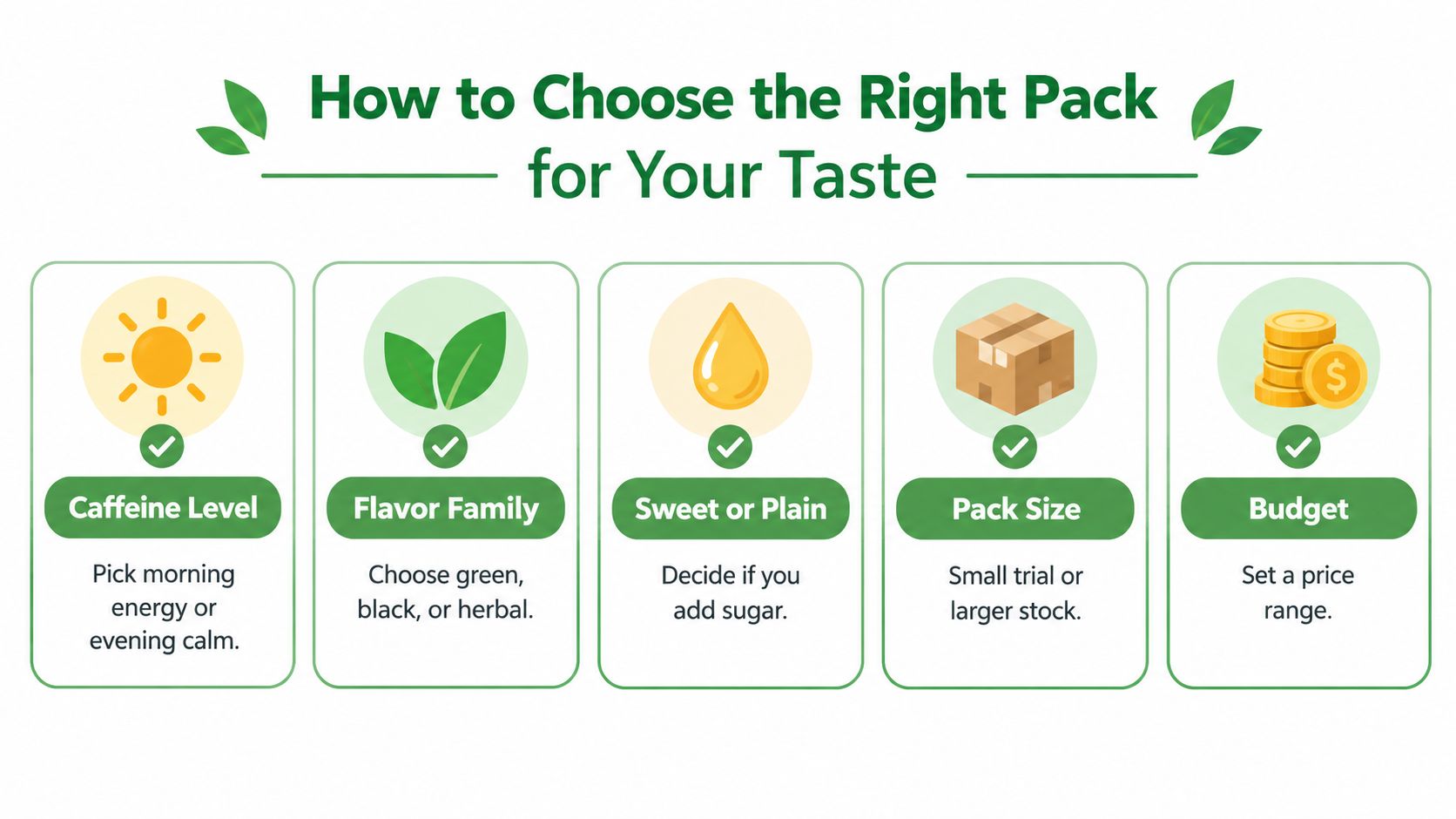
A simple buying filter
Use these five checks before you buy.
- Caffeine Level. Pick morning energy or evening calm.
- Flavor Family. Choose black, green, herbal, or flavored.
- Sweet or Plain. Decide whether you usually add honey, sugar, or milk.
- Pack Size. Choose a trial box if you are exploring, or a larger box if you already know the style.
- Budget. Set a range before you compare premium packaging and standard bags.
That filter works because tea is personal, and the box should reflect real drinking habits. A sampler can look exciting in photos and still miss the mark if every blend sits in the same flavor lane or if the caffeine mix does not fit your routine. Market interest also shows why shoppers keep gravitating toward wellness blends and flavored assortment packs, since they want novelty with a purpose, not just a random spread of bags (Fortune Business Insights).
If you want a practical way to narrow those choices, the Tealyra guide on how to choose tea gives a straightforward framework.
Read the ingredient list, the tea type, and whether the pack leans toward comfort blends or brighter, more aromatic cups. Those details tell you more than a label that just says “assorted.”
The Science Behind Freshness and Flavor
A tea bag can only taste as good as the packaging around it. Oxygen and moisture are the quiet enemies here, because they dull aroma, flatten flavor, and make delicate teas feel older than they are. That's why packaging quality matters so much in a mixed box, especially when one assortment includes both full-bodied black teas and more fragile green teas.
The science is straightforward. Better barrier materials slow oxygen and water vapor migration, which helps protect volatile aroma compounds and keeps the tea from going stale too quickly. Packaging guidance also points to nitrogen flushing and hermetic seals as useful ways to reduce oxygen exposure in premium teas, which is exactly why some packs stay vibrant while others fade early (International Journal of Food Science and Technology).
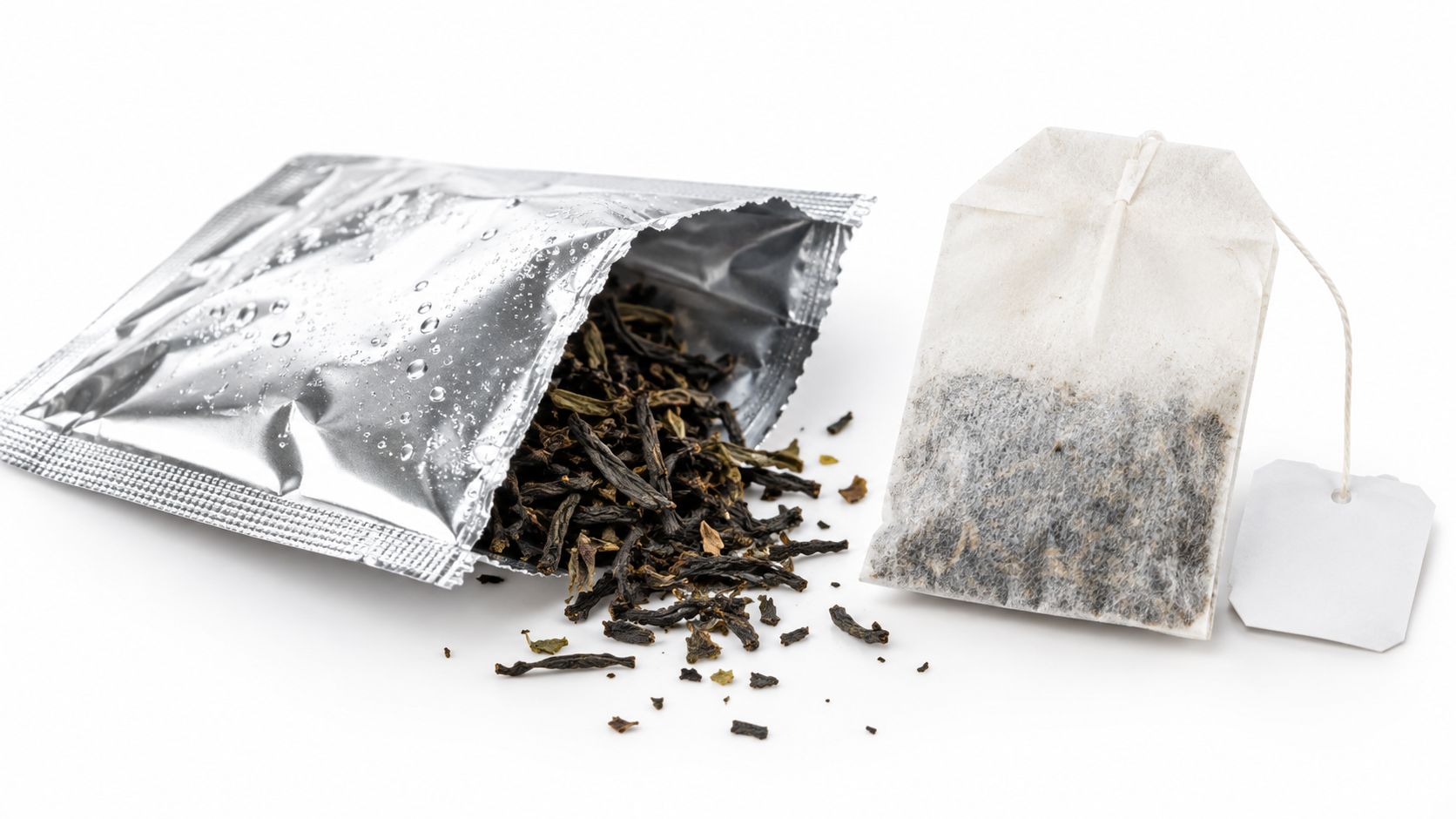
Why some bags taste livelier
The bag itself affects the cup, too. Tea infusion research shows that swelling and infusion kinetics are higher for loose tea than for tea in bags across particle sizes, and bag size also changes how quickly caffeine extracts. In plain English, a cramped bag can make a blend feel weaker at first sip, even when the tea inside is the same.
That's why a premium mixed box often uses better-sealed sachets, sturdier overwraps, or higher-barrier films. Tea preservation advice also points to aroma loss from air and moisture, which is why the outer carton alone isn't enough if the inner pouch is flimsy. For a deeper look at storage and protection, the Tealyra piece on tea preservation and refrigeration rules is a smart companion read.
The takeaway is practical. If two sampler boxes look similar on the shelf, the better-sealed one is more likely to taste fresh, especially after a few weeks in the cupboard. The taste difference often isn't about the blend name, it's about how well the tea was protected before you brewed it.
Value and Sustainability Considerations
A variety pack can be better value than a stack of single-flavor boxes because it lowers the risk of waste. If you buy one full box of something you end up disliking, that's expensive in a quiet way. If you buy a mixed box and finish the cups you love first, you've spent money on use, not guesswork.
That logic matters even more in a category that keeps growing. Tea packaging is still dominated by bags and boxes, and market coverage notes rising pressure for biodegradable and compostable materials, especially in specialty and direct-to-consumer channels (Global Market Insights). That means the way the box is built is part of the buying decision, not a side note.
What to look for in a responsible box
- Less dead inventory. A sampler helps you avoid half-used boxes sitting in the pantry.
- Better format fit. If you drink different teas at different times, one pack covers more use cases.
- Packaging awareness. High-barrier inner packaging protects flavor, while compostable or biodegradable materials can reduce environmental pressure when they're used well.
- Premium only when justified. Pyramid bags, sealed sachets, and stronger materials can be worth it when they preserve aroma and improve convenience.
I see variety packs as a smarter first buy than single-origin boxes, especially if you're still learning your taste. Once you know your favorites, then the full-size box makes sense.
Building Your Personal Tea Collection
The best tea cabinet starts with sampling, not with commitment. A thoughtful tea bags variety pack lets you map your tastes in a way that feels natural, one cup at a time, instead of forcing you to guess what a whole box will do for you over a month.
A good progression looks like this. Start with a sampler that gives you a morning tea, an afternoon tea, and an evening tea. Pay attention to which bag disappears first, which one you reach for on tired days, and which one you'd gladly serve to a guest without hesitation.
Turn the box into a habit
Once you notice patterns, build around them. If you always finish the black tea first, keep that style in your regular rotation and use mixed packs to explore around the edges. If the herbal cups vanish at night, anchor your evening shelf with those and use the sampler to test new flavors for daytime.
This is also where gifting becomes easy. A mixed box is a strong present because it gives the recipient choices without asking them to commit to your taste. It says, “Try these, then keep the cups that fit your life.”
Over time, your collection becomes personal rather than random. You stop buying tea by category alone and start buying by use, one box for wake-up, one for quiet evenings, one for guests, and one sampler for discovery. That's a simple system, and it keeps tea enjoyable instead of repetitive.
If you want to build that kind of tea routine with less guesswork, take a look at Tealyra and explore how its tea bags and sampler-style options fit into different drinking habits. Start with a variety pack, compare what you drink, and let your next box be the one that matches your mornings, your evenings, and the people you share tea with.