 by Tealyra
Loose Leaf Tea Benefits: Why Switching Matters
Discover the health, flavor, and sustainability benefits of loose leaf tea. Learn why tea lovers are making the switch in 2026.
There's something wonderful happening in kitchens and offices across America. More people are discovering what tea enthusiasts have known for centuries: loose leaf tea offers an experience that bagged tea simply can't match. Whether you're a longtime tea drinker or just beginning your journey, understanding the loose leaf tea benefits can transform your daily ritual into something truly special. From superior flavor and higher antioxidant levels to environmental sustainability and economic value, loose leaf tea delivers advantages that touch every aspect of your tea-drinking experience.
The Health Advantages of Choosing Loose Leaf
When we talk about loose leaf tea benefits, health impacts deserve top billing. The whole leaves used in loose leaf tea retain more of their natural compounds compared to the broken pieces typically found in tea bags.
More Antioxidants, More Benefits
Loose leaf tea contains higher concentrations of polyphenols, catechins, and other beneficial compounds. These antioxidants remain intact because the leaves haven't been crushed or broken down during processing. Recent meta-analysis of tea consumption and mortality pooling data from 38 prospective studies found that regular tea drinking is associated with reduced risk of all-cause, cardiovascular, and cancer mortality.
Key health compounds in loose leaf tea include:
- EGCG (epigallocatechin gallate) for cellular protection
- L-theanine for calm focus and mental clarity
- Flavonoids supporting cardiovascular health
- Catechins with anti-inflammatory properties
- Natural caffeine for gentle, sustained energy
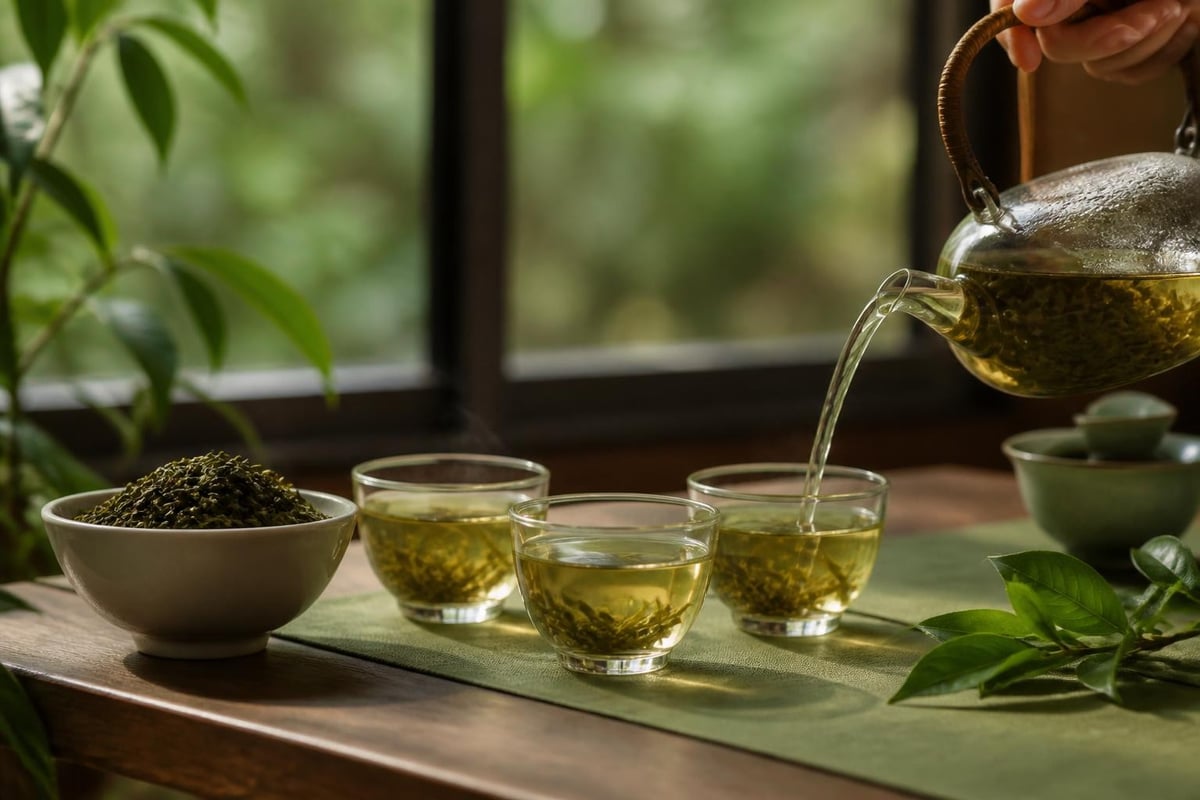
The difference becomes even more significant when you consider that loose leaf tea can be steeped multiple times, extracting different beneficial compounds with each infusion. This means you're getting more health value from the same leaves.
Cognitive Function and Mental Wellness
Research continues to reveal exciting connections between tea consumption and brain health. Studies on tea drinking and cognitive disorders suggest that the polyphenols in tea may offer protective effects for older adults, potentially reducing the risk of cognitive decline.
The combination of L-theanine and caffeine found naturally in tea creates a unique state of calm alertness. Unlike coffee's jittery boost, loose leaf tea provides steady energy that supports concentration without the crash.
Superior Flavor and Aroma Experience
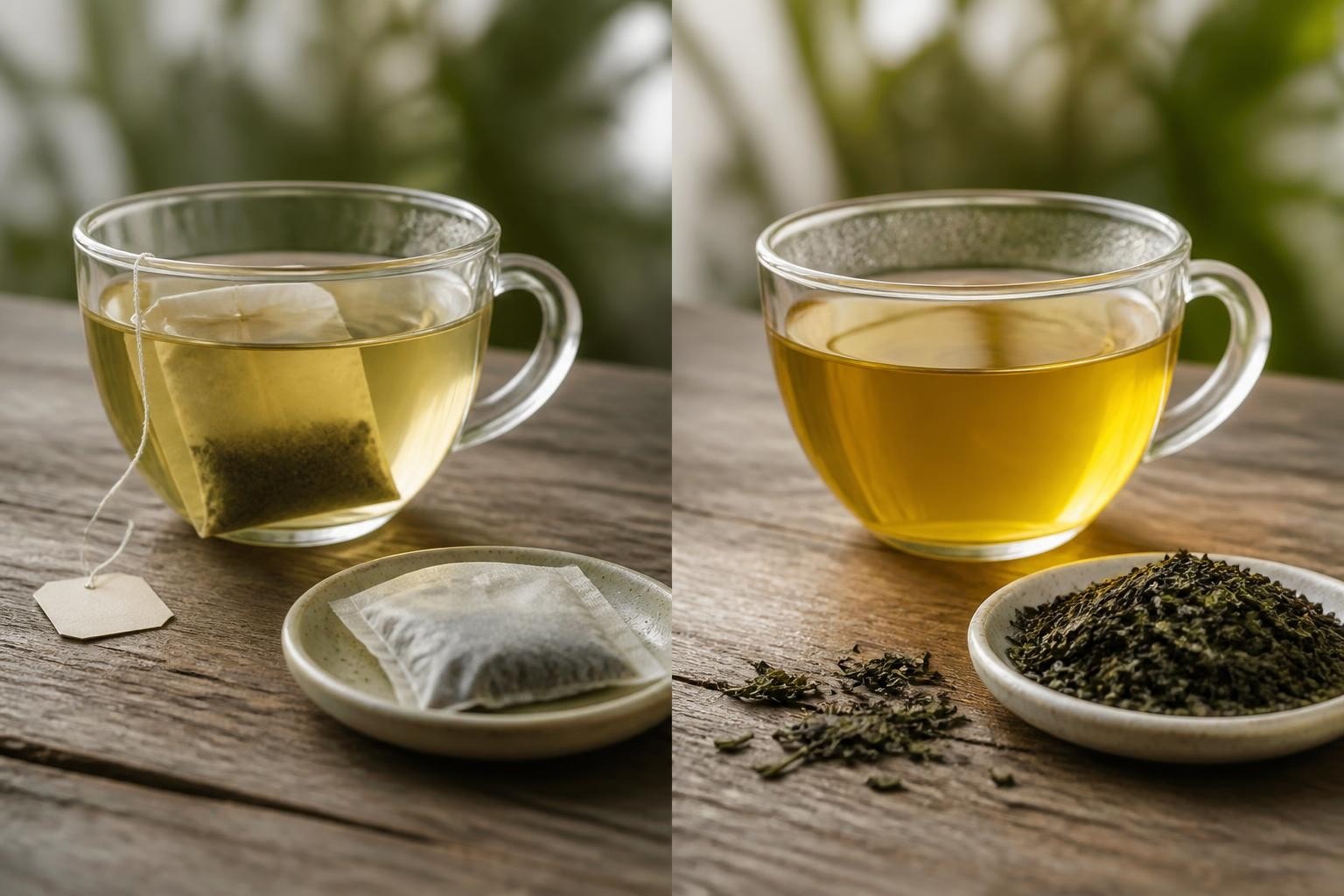
Among the most immediately noticeable loose leaf tea benefits is the dramatic improvement in taste and fragrance. When you open a container of premium loose leaf, you're greeting whole leaves that have preserved their essential oils and complex flavor profiles.
| Aspect | Tea Bags | Loose Leaf Tea |
|---|---|---|
| Leaf Quality | Fannings and dust | Whole or large pieces |
| Flavor Depth | One-dimensional | Multi-layered complexity |
| Aroma | Minimal | Rich and pronounced |
| Brewing Control | Limited | Complete customization |
| Resteeping | Not recommended | 2-5+ infusions possible |
Customization and Control
With loose leaf tea, you become the master of your brew. Want a stronger morning cup? Add more leaves. Prefer a delicate afternoon tea? Reduce the amount and shorten the steep time. This level of control simply isn't possible with pre-portioned tea bags.
Different tea varieties reveal their character through specific brewing parameters. Japanese green teas like sencha shine with cooler water temperatures around 160-170°F, while robust black teas from Assam develop fully at 200-212°F. Exploring these nuances is part of what makes loose leaf tea so rewarding.
The ability to adjust every variable means you can dial in the perfect cup for your palate. Temperature, steeping time, leaf quantity, water quality - each factor contributes to the final result, and you control them all.
Environmental and Sustainability Benefits
In 2026, the environmental impact of our choices matters more than ever. The loose leaf tea benefits extend far beyond your teacup to make a real difference for our planet.
Reducing Waste Significantly
Consider this: a daily tea bag habit generates 365 small bags, tags, strings, and wrappers each year per person. Multiply that by millions of tea drinkers, and the waste becomes staggering. Loose leaf tea eliminates nearly all of this packaging waste.
Environmental advantages include:
- No microplastics: Many tea bags contain plastic fibers that don't fully decompose
- Compostable waste: Used tea leaves enrich garden soil with nitrogen
- Minimal packaging: Bulk containers replace individual wrappers
- Lower carbon footprint: Less processing and packaging means reduced emissions
- Reusable infusers: One quality strainer lasts for years
The German Federal Institute for Risk Assessment's evaluation addressed concerns about microplastics from tea bags, noting that while particles are released during steeping, current evidence doesn't establish clear health risks. Still, avoiding these particles altogether by choosing loose leaf offers peace of mind.
Supporting Sustainable Farming Practices
When you choose quality loose leaf tea, you're more likely to support farms and cooperatives committed to sustainable practices. The Rainforest Alliance's 2023 Tea Certification Report highlights the growing certification movement in tea production, addressing environmental stewardship and fair labor conditions.
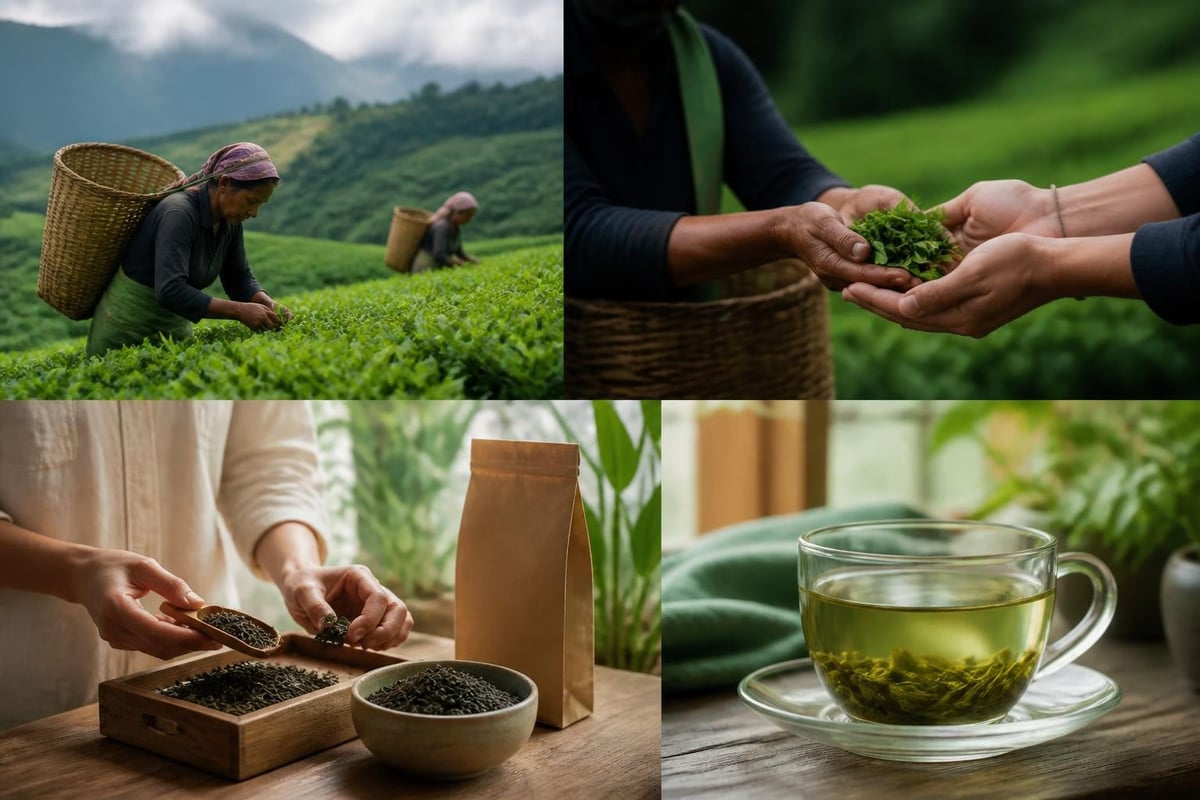
Many specialty tea retailers, including those offering extensive loose tea collections, prioritize relationships with ethical producers who use organic methods, protect biodiversity, and ensure fair wages for workers.
Economic Value That Adds Up
Let's talk about your wallet. While premium loose leaf tea might seem expensive per ounce compared to supermarket tea bags, the loose leaf tea benefits include surprising cost-effectiveness over time.
The Math That Matters
A typical tea bag is used once and discarded. Quality loose leaf tea can be steeped 2-5 times depending on the variety, with some oolongs and pu-erh teas offering even more infusions. This resteeping ability dramatically reduces your cost per cup.
Here's a practical comparison:
- Premium tea bags: $0.50-$1.00 per bag, one use = $0.50-$1.00 per cup
- Loose leaf tea: $0.20-$0.40 per serving, 3 steeps average = $0.07-$0.13 per cup
Over a year of daily tea drinking, switching to loose leaf could save you hundreds of dollars while providing superior quality. The investment in a good infuser or teapot pays for itself within weeks.
Less Is More
Because loose leaf tea offers more concentrated flavor and beneficial compounds, you often need less tea to achieve the same satisfaction. A teaspoon or two of quality loose leaf creates a full-bodied cup that would require multiple tea bags to match.
Purity and Quality Assurance
Among the often-overlooked loose leaf tea benefits is the transparency that comes with seeing exactly what you're drinking. Whole leaves allow you to visually assess quality before brewing.
What You See Is What You Get
With loose leaf, there's nowhere to hide inferior ingredients. You can examine the leaves for:
- Consistent size and shape indicating careful processing
- Natural color variations showing authentic, unaltered leaves
- Whole buds and tips in premium grades
- Freedom from stems, dust, and filler material
- Signs of freshness like pliability and vibrant color
This transparency builds trust and confidence in what you're consuming. Many specialty tea sources also provide detailed information about origin, harvest date, and processing methods.
Fewer Additives and Concerns
Quality loose leaf tea typically contains just one ingredient: tea leaves. No artificial flavors, no preservatives, no hidden fillers. When you want flavored varieties, premium loose leaf blends use real flowers, fruits, and spices you can actually see and identify.
The FAO's guidance on pesticide residues in tea provides important context about safety standards. While all commercial tea must meet maximum residue limits, choosing organic loose leaf from reputable sources offers additional assurance.
Exploring Variety and Tea Culture
One of the most delightful loose leaf tea benefits is the doorway it opens to an incredible world of variety and tradition. Tea bags typically offer a narrow range of styles, but loose leaf connects you to centuries of tea culture.
A World of Options
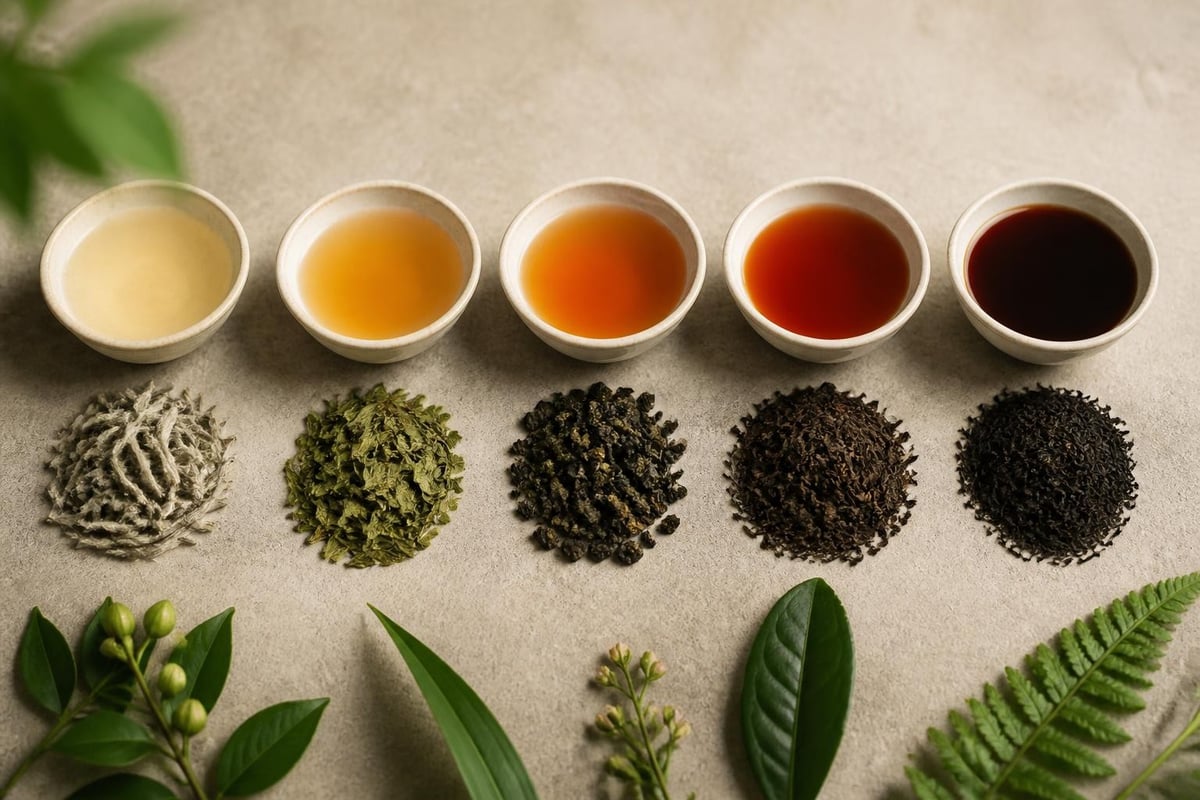
From delicate white teas to robust black tea varieties, the loose leaf world offers endless exploration:
- Green teas: Japanese varieties like sencha and gyokuro, or Chinese classics like longjing and bi luo chun
- Oolong teas: Light florals to dark roasted, each with unique character
- White teas: Subtle, delicate, and highly prized
- Pu-erh teas: Aged and fermented for complex, earthy profiles
- Herbal infusions: Rooibos blends, fruity combinations, and wellness teas
Each category contains dozens or hundreds of distinct teas, each shaped by terroir, cultivar, season, and processing technique. This diversity makes every tea session an opportunity for discovery.
Connecting with Ritual and Mindfulness
Preparing loose leaf tea naturally slows you down. The act of measuring leaves, heating water to the right temperature, and watching the infusion develop creates a mindful moment in your day.
This ritual aspect contributes to stress reduction and present-moment awareness. In our fast-paced world, these few minutes of intentional preparation become a form of self-care.
Practical Considerations for Making the Switch
Understanding loose leaf tea benefits is one thing, but implementing the change requires addressing practical questions. The good news? Getting started is easier than you might think.
Essential Equipment (It's Simple)
You don't need elaborate equipment to enjoy loose leaf tea. Here's what actually matters:
Minimum setup:
- Tea infuser basket or ball
- Kettle with temperature control (or thermometer)
- Teapot or large mug
- Storage containers for tea
Nice to have:
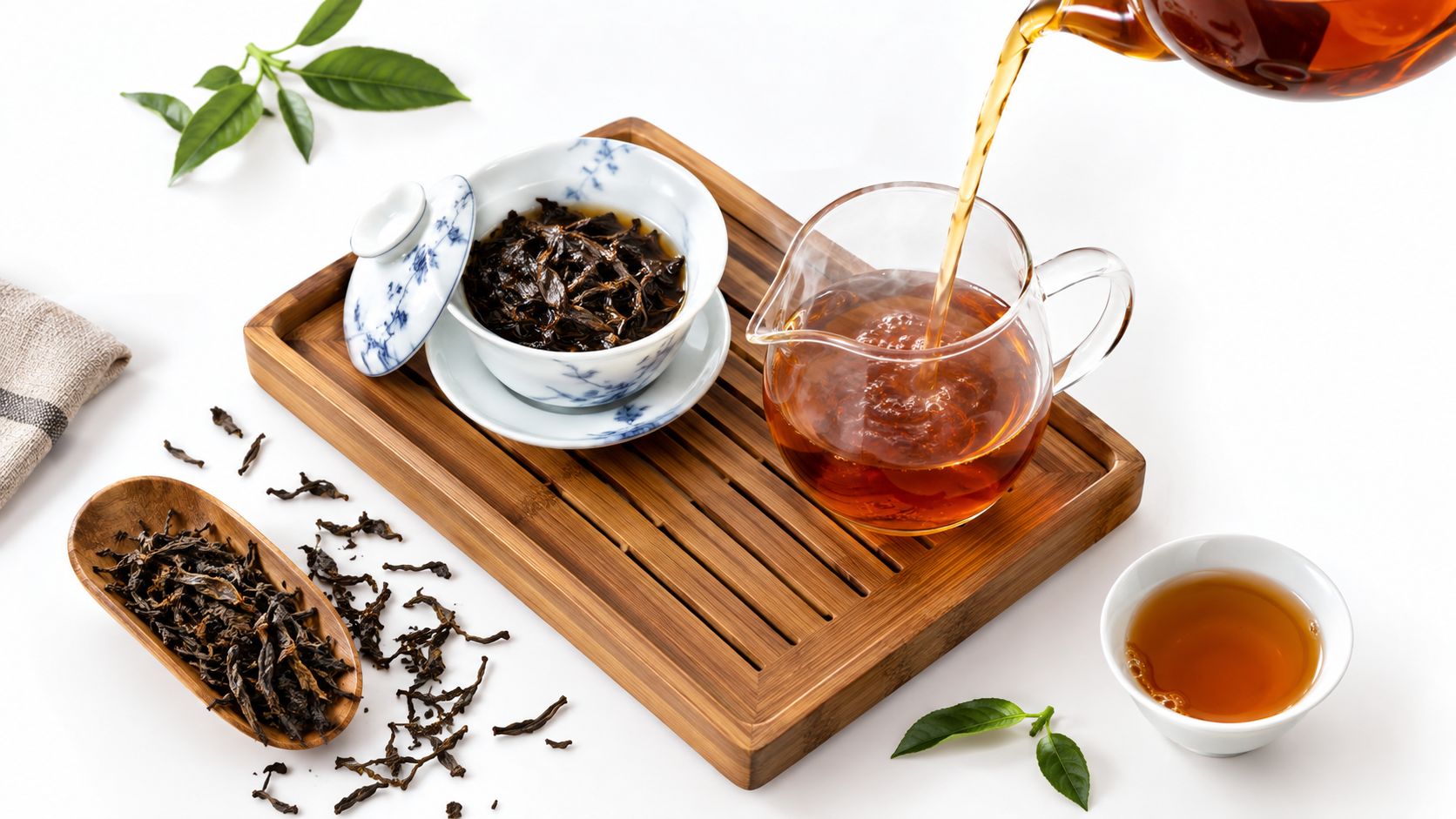
- Gaiwan or traditional teapot for gongfu brewing
- Scale for precise measurements
- Timer for consistent steeping
- Quality tea accessories that enhance the experience
Many people start with a simple basket infuser and their regular kettle, adding specialized tools as their interest grows. The barrier to entry is remarkably low.
Storage and Freshness
Proper storage preserves the loose leaf tea benefits you're paying for. Keep your tea in airtight containers away from light, heat, and moisture. Opaque tins or dark glass jars work beautifully.
Most loose leaf teas maintain peak flavor for 6-12 months when stored correctly, though some varieties like pu-erh actually improve with age. This longevity means you can buy in larger quantities without waste, improving the economic value even further.
Building Your Tea Knowledge
As you explore loose leaf tea benefits, you'll naturally develop expertise that enhances your appreciation and enjoyment. This learning journey is part of what makes loose leaf tea so engaging.
Tasting Notes and Flavor Vocabulary
Like wine or coffee, tea has its own tasting vocabulary. You'll learn to identify notes of:
- Florals (orchid, jasmine, rose)
- Fruits (stone fruit, citrus, berries)
- Vegetal qualities (seaweed, grass, spinach)
- Roasted or toasted characters (nuts, grain, caramel)
- Mineral or earthy tones (stone, forest floor, moss)
Developing this palate takes time and experimentation, but each tasting builds your understanding. The Tealyra blog offers resources for expanding your tea knowledge.
Regional Characteristics and Terroir
Just as wine reflects its vineyard, tea expresses its origin. Chinese green teas taste distinctly different from Japanese ones, even though they're the same type of tea. Darjeeling's muscatel notes differ completely from Assam's malty robustness.
Understanding these regional characteristics helps you navigate the vast world of tea and identify preferences. Over time, you might discover you favor certain provinces, estates, or even specific seasons of harvest.
The Social Dimension of Tea
Among the less tangible but deeply meaningful loose leaf tea benefits is the community aspect. Tea has always been a social beverage, and loose leaf tea particularly invites sharing and connection.
Sharing the Experience
Preparing loose leaf tea for guests demonstrates care and hospitality. The visible quality of whole leaves, the aromatic steam, the deliberate brewing process - all contribute to making others feel valued and welcome.
Many tea enthusiasts find joy in introducing friends and family to new varieties, discussing flavor notes, and sharing brewing techniques. This social dimension adds richness beyond the cup itself.
Online and Local Communities
The tea community is welcoming and eager to share knowledge. Online forums, local tea shops, and tasting events provide opportunities to connect with fellow enthusiasts. These connections often lead to tea swaps, shared purchases from overseas producers, and lasting friendships built on common interests.
The loose leaf tea benefits we've explored - from enhanced health compounds and superior flavor to environmental sustainability and economic value - represent just the beginning of what makes whole leaf tea so special. These advantages combine to create an experience that enriches daily life while aligning with values of wellness, quality, and conscious consumption. Ready to discover your perfect loose leaf tea? Explore the extensive collection at Tealyra, where you'll find premium teas from around the world along with everything you need to brew the perfect cup.