 by Tealyra
Loose Leaf Black Tea: A Complete Guide for Tea Lovers
Discover why loose leaf black tea offers superior flavor, health benefits, and value. Learn brewing techniques, varieties, and tips for 2026.
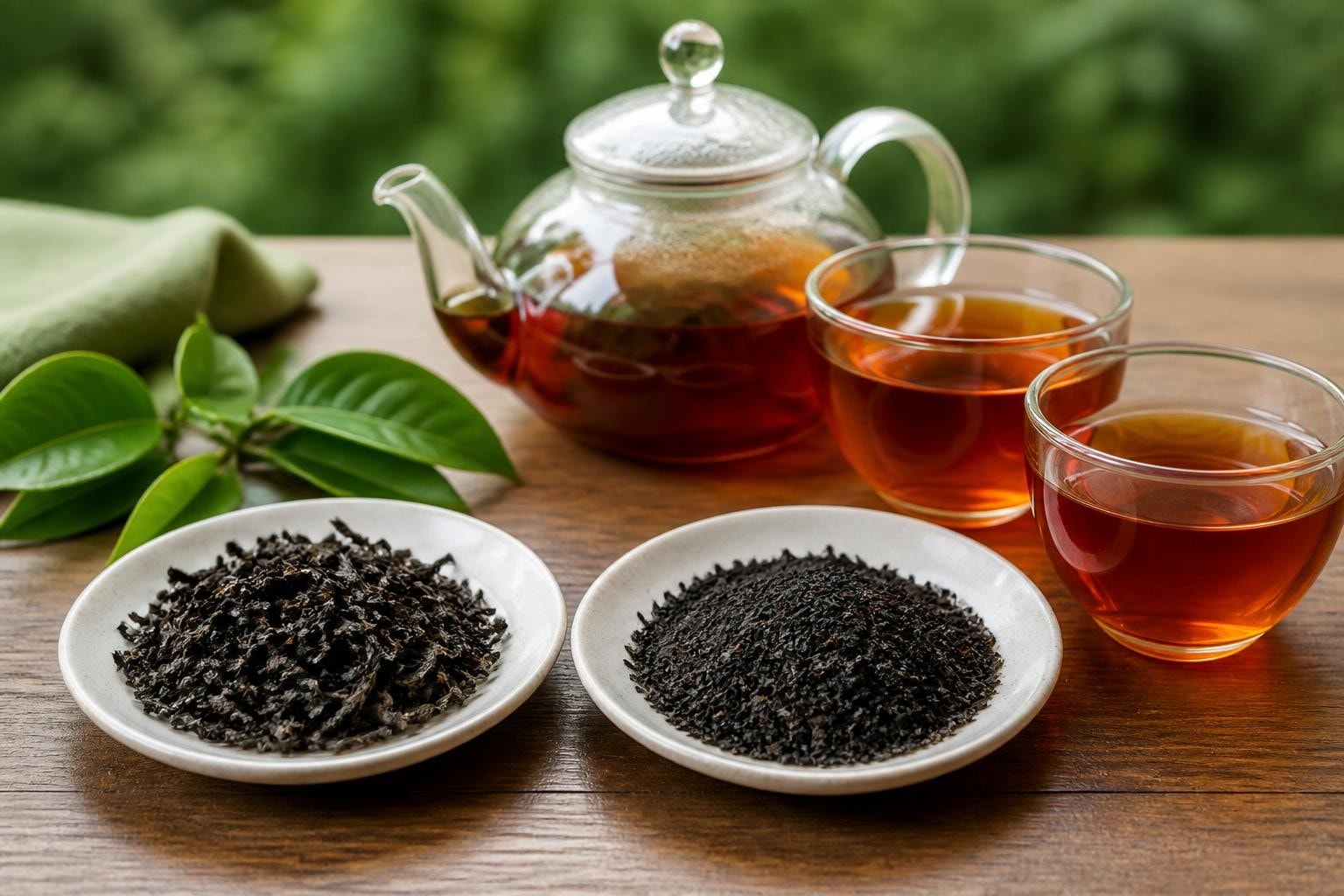
There's something magical about watching whole tea leaves unfurl in hot water, releasing their complex flavors and enticing aromas. Loose leaf black tea represents tea in its purest, most authentic form, offering an experience that pre-packaged tea bags simply can't match. Whether you're new to the world of premium tea or looking to deepen your appreciation, understanding what makes loose leaf black tea special will transform your daily tea ritual into something truly memorable.
What Makes Loose Leaf Black Tea Different
When we talk about loose leaf black tea, we're referring to whole or partially broken tea leaves that haven't been confined to a bag. This fundamental difference impacts everything from flavor to health benefits.
The Quality Advantage
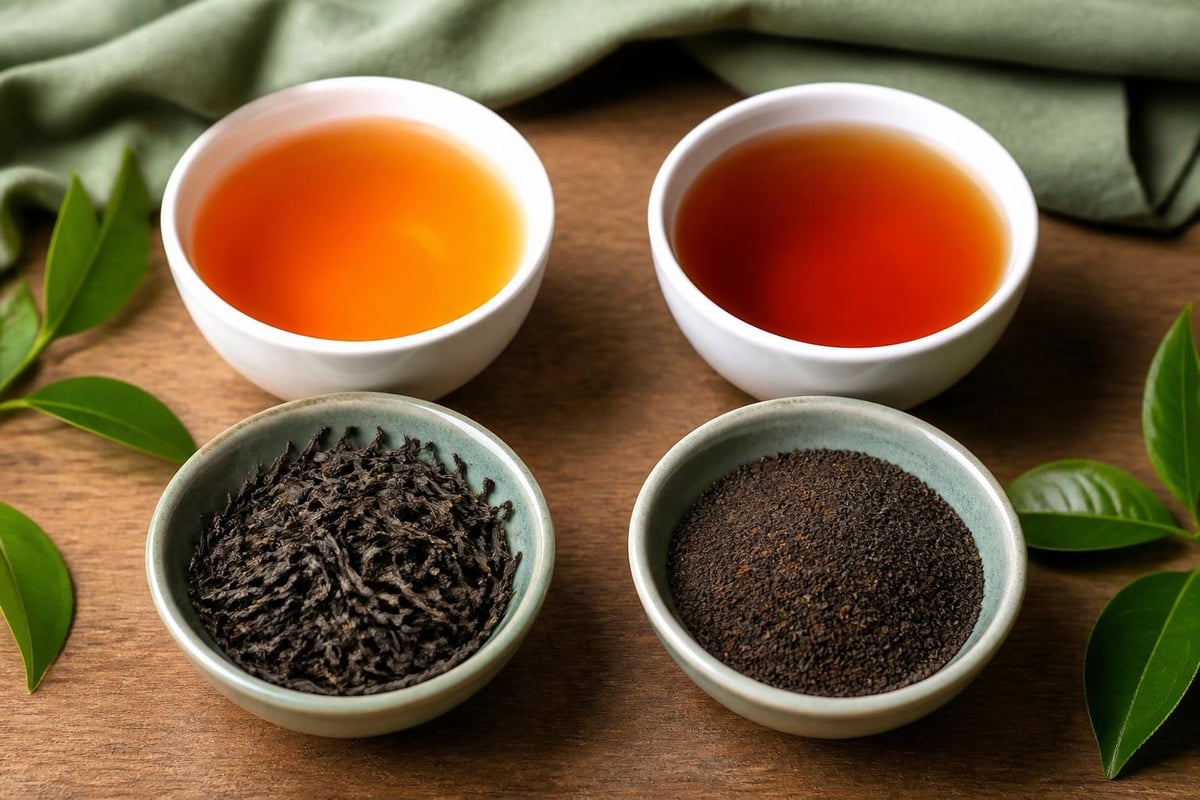
Whole leaf integrity matters more than most people realize. Tea bags typically contain "dust" and "fannings," the smallest broken pieces left over from processing. These fragments lose essential oils quickly and produce a one-dimensional, often bitter brew.
In contrast, loose leaf black tea preserves the leaf structure, which means:
- Slower oxidation that retains more antioxidants and flavor compounds
- Better expansion during steeping, allowing full extraction
- Complex flavor profiles with multiple tasting notes
- Multiple infusions from the same leaves
The harvesting and processing methods directly affect the phytochemical profile and final quality of your tea. High-quality loose leaf varieties undergo careful hand-picking and controlled oxidation to develop their characteristic malty, robust flavors.
Health Benefits You Can Actually Taste
Research continues to validate what tea enthusiasts have known for centuries. Clinical studies on black tea demonstrate positive effects on cardiovascular health, metabolic function, and cognitive performance.
Loose leaf black tea delivers these benefits more effectively because:
- Higher polyphenol content preserved in whole leaves
- Less contamination from bleached paper or microplastics
- Better control over steeping time and strength
- Fresher product with shorter supply chains
Popular Varieties of Loose Leaf Black Tea
The world of black tea offers incredible diversity, with each region producing distinctive flavor profiles shaped by terroir, cultivar, and processing techniques.
Classic Regional Varieties
| Region | Tea Type | Flavor Profile | Best For |
|---|---|---|---|
| Assam, India | Assam | Malty, robust, full-bodied | Breakfast blends, milk tea |
| Darjeeling, India | Darjeeling | Floral, muscatel, delicate | Afternoon tea, solo drinking |
| Fujian, China | Lapsang Souchong | Smoky, pine, bold | Adventurous palates |
| Yunnan, China | Dian Hong | Sweet, peppery, golden | Gongfu brewing |
| Sri Lanka | Ceylon | Bright, citrusy, crisp | Iced tea, all-day drinking |
| Kenya | African Black | Brisk, astringent, strong | Blending, chai |
Each variety tells a story of its origin. Assam teas, grown at sea level in the world's largest tea-growing region, develop their signature maltiness from the tropical climate. Darjeeling, cultivated at high altitude, produces lighter, more nuanced teas often called the "champagne of teas."
Blended vs. Single-Origin
Single-origin loose leaf black teas showcase the unique characteristics of one estate or region. They're perfect for tea lovers who enjoy exploring subtle differences between harvests and processing methods.
Blended teas combine leaves from multiple origins to achieve consistent flavor profiles year-round. Classic blends include:
- English Breakfast (robust, malty)
- Earl Grey (bergamot-scented)
- Irish Breakfast (extra strong)
- Russian Caravan (smoky notes)
Neither approach is superior; it's about what you're seeking in your cup. Single-origins offer adventure and terroir expression, while blends provide reliable favorites.
Brewing Perfect Loose Leaf Black Tea
The proper brewing technique transforms good tea into an exceptional experience. Unlike the guesswork of tea bags, loose leaf brewing gives you complete control.
Essential Equipment
You don't need expensive gear to brew excellent tea, but a few tools make the process easier:
- Tea infuser or strainer (basket, ball, or built-in teapot strainer)
- Variable temperature kettle (ideal but not required)
- Kitchen scale (for precision, though measuring spoons work)
- Timer (your phone works perfectly)
Pro tip: Basket-style infusers allow leaves more room to expand than ball infusers, resulting in better extraction.
Step-by-Step Brewing Guide
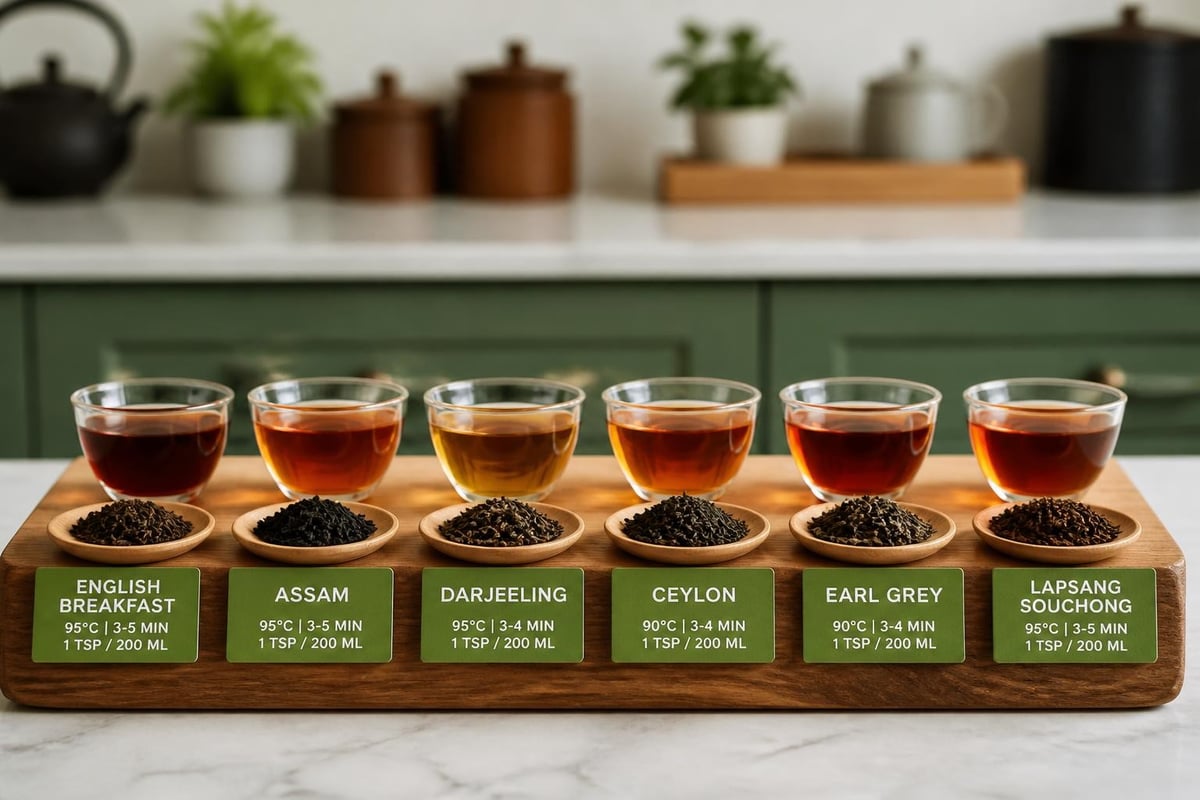
- Heat fresh, cold water to 200-212°F (just off the boil)
- Measure your tea at 1 teaspoon per 8 oz water (adjust to taste)
- Preheat your vessel by rinsing with hot water
- Add leaves and water together
- Steep for 3-5 minutes depending on variety and preference
- Strain completely to prevent over-extraction
Timing matters. Three minutes produces a lighter, more delicate cup. Five minutes extracts fuller body and stronger flavor. Going beyond five minutes often creates bitterness rather than strength.
Common Brewing Mistakes
Even experienced tea drinkers sometimes fall into these traps:
- Using boiling water on delicate Darjeeling (stick to 200°F)
- Overcrowding the infuser (leaves need space)
- Reusing leaves without adjusting time (second steeps need longer)
- Storing tea in the brewing vessel (always strain)
Storing Your Loose Leaf Black Tea
Proper storage preserves the investment you've made in quality tea. Black tea is more forgiving than green varieties, but it still requires care.
Storage Fundamentals
Light, air, moisture, and odors are tea's enemies. Combat them with these practices:
- Use airtight containers made of tin, ceramic, or dark glass
- Store in a cool, dark location away from spices and coffee
- Avoid refrigeration (temperature fluctuations create condensation)
- Keep original packaging if it's properly sealed
- Label containers with purchase dates
Black tea typically maintains peak flavor for 18-24 months when stored correctly. You'll notice declining aroma before taste degrades significantly.
Organizing Your Collection
As your loose tea collection grows, organization becomes important. Group teas by type, then by flavor intensity. This makes selection easier and helps you rotate stock effectively.
The Economics of Loose Leaf Black Tea
Many people assume loose leaf black tea costs more than bags, but the math tells a different story when you examine cost per cup.
Price Comparison
| Product Type | Price Range | Cups per Ounce | Cost per Cup |
|---|---|---|---|
| Premium bags | $8-12/box (20 bags) | 20 | $0.40-$0.60 |
| Store bags | $4-6/box (20 bags) | 20 | $0.20-$0.30 |
| Quality loose leaf | $8-15/oz | 12-15 | $0.53-$1.25 |
| Premium loose leaf | $15-30/oz | 12-15 | $1.00-$2.50 |
The comparison becomes more favorable when you factor in re-steeping. Quality loose leaf black tea often delivers 2-3 excellent infusions from the same leaves, effectively cutting your per-cup cost in half.
Investment in Quality
When you purchase from Tealyra, you're accessing direct relationships with tea gardens worldwide. This connection means fresher tea at better prices than traditional retail markup structures.
Buying larger quantities (4-8 oz instead of 1 oz) reduces per-ounce costs while ensuring you have tea on hand. Just make sure you'll consume it within the optimal freshness window.
Sustainability and Ethical Considerations
The tea industry faces significant environmental and social challenges. Your purchasing decisions can support positive change.
Certification and Standards
Look for these indicators of responsible production:
- Rainforest Alliance certification
- Fair Trade designation
- Organic certification (USDA, EU, or equivalent)
- Direct trade relationships
The 2023 Tea Certification Data Report shows growing adoption of sustainable practices across major tea-producing regions. Certified operations demonstrate better environmental outcomes and improved working conditions for tea workers.
Why It Matters
Tea cultivation impacts millions of workers, mostly in developing nations. Global tea trade patterns show increasing consolidation, making ethical sourcing more critical than ever.
Choosing certified loose leaf black tea supports:
- Fair wages and safe working conditions
- Reduced pesticide use and chemical runoff
- Biodiversity conservation in tea-growing regions
- Community development initiatives
Pairing and Culinary Uses
Loose leaf black tea extends far beyond the teacup. Its robust flavors complement food and enhance recipes.
Food Pairing Basics
Match intensity levels. Delicate Darjeeling pairs beautifully with:
- Light pastries and scones
- Mild cheeses
- Fresh fruit and cream desserts
Robust Assam stands up to:
- Rich chocolate desserts
- Hearty breakfast foods
- Spicy curries and savory dishes
Beyond the Cup
Creative uses for loose leaf black tea include:
- Tea-smoked proteins (chicken, duck, salmon)
- Tea-infused syrups for cocktails and desserts
- Dry rubs incorporating ground tea leaves
- Ice cream and custard bases
- Marinades for grilled meats
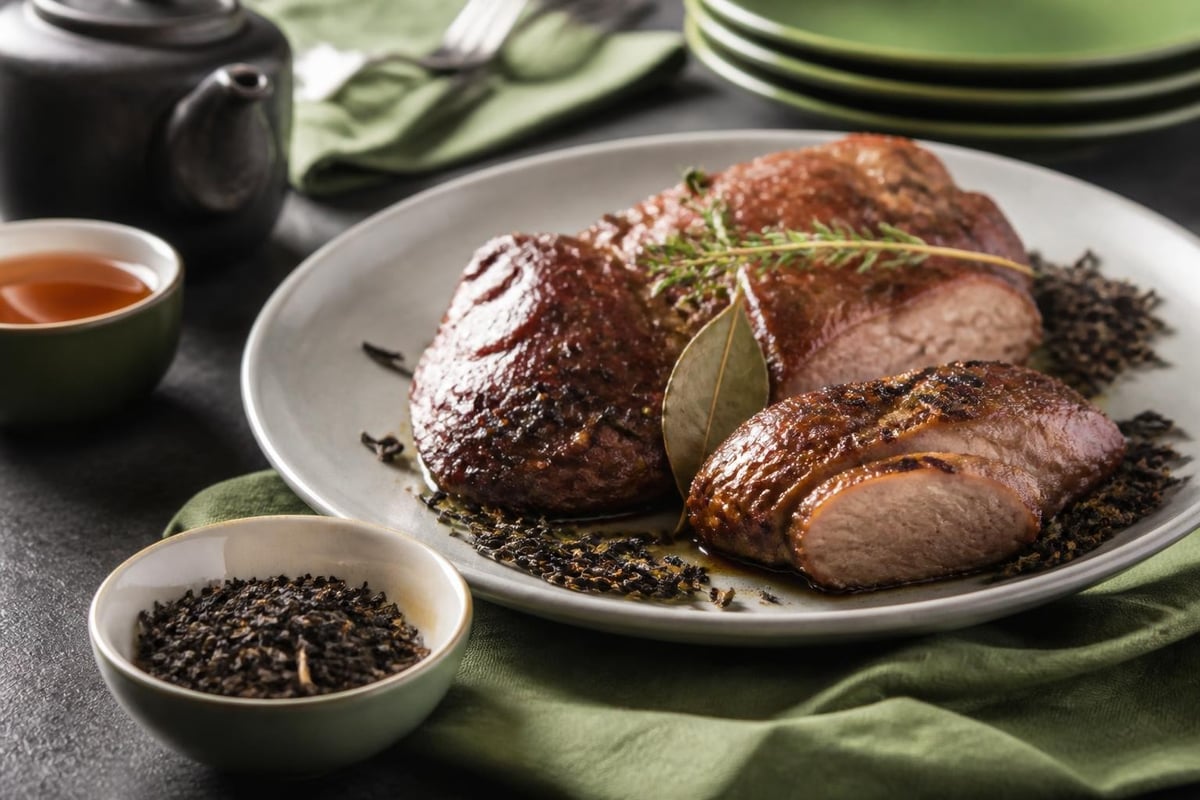
The tannins in black tea can tenderize meat while adding subtle flavor complexity. Grinding leaves in a spice grinder opens even more possibilities for seasoning blends.
Health and Safety Considerations
While loose leaf black tea offers numerous benefits, informed consumption matters.
Caffeine Content
Black tea contains 40-70mg of caffeine per 8 oz cup, roughly half that of coffee. This moderate level provides alertness without the jitters many coffee drinkers experience.
Caffeine sensitivity varies among individuals. If you're sensitive, try:
- Shorter steeping times (reduces extraction)
- Second or third infusions (lower caffeine)
- Blending with rooibos red tea for a caffeine-free option
Quality and Contaminants
WHO and FAO guidelines establish safety limits for pesticide residues and contaminants in tea. Reputable suppliers test their products regularly.
Loose leaf advantages for safety include:
- Visual inspection of leaf quality
- Better traceability to origin
- Fewer processing steps and additives
- No bleached paper or adhesives
Exploring New Varieties
Once you've mastered the basics, the world of loose leaf black tea offers endless exploration opportunities.
Seasonal and Limited Editions
Many estates produce flush-specific teas available only during certain harvest periods:
- First flush (spring): delicate, floral, highly prized
- Second flush (summer): fuller body, muscatel notes
- Autumn flush: mellow, smooth, less astringent
These seasonal variations let you taste how weather, rainfall, and harvest timing affect flavor development.
Experimental Processing
Innovative tea makers are pushing boundaries with:
- Cold oxidation techniques
- Blended cultivars creating novel flavor profiles
- Alternative withering methods
- Barrel-aged black teas
You can discover many of these innovative approaches by exploring specialized selections at online retailers who work directly with adventurous tea producers.
Building Your Tea Practice
Developing a meaningful tea practice goes beyond just brewing and drinking. It's about creating moments of mindfulness in your day.
The Ritual Aspect
Slowing down to prepare loose leaf black tea creates natural breaks in hectic schedules. The process itself becomes meditation:
- Measuring and appreciating dry leaves
- Listening to water heat
- Watching leaves unfurl and dance
- Savoring aroma before that first sip
Sharing Tea with Others
Tea builds community. Hosting a tea tasting introduces friends to varieties they might never try otherwise. Set out 3-5 different loose leaf black teas with tasting notes and let guests explore.
Keep it simple: Provide plain crackers or bread to cleanse palates between teas, and encourage discussion about flavor impressions.
The Future of Black Tea
Looking ahead in 2026 and beyond, several trends are reshaping the loose leaf black tea landscape.
Climate Adaptation
Tea-producing regions face challenges from changing weather patterns. Leading estates are responding with:
- Drought-resistant cultivars
- Shade-grown techniques
- Soil regeneration programs
- Water conservation systems
These adaptations may subtly shift flavor profiles over time, making current harvests from traditional methods increasingly special.
Technology Meets Tradition
Modern innovations enhance rather than replace traditional methods:
- Precision withering using controlled environments
- Blockchain traceability from garden to cup
- AI-assisted quality grading ensuring consistency
- Direct-to-consumer platforms connecting drinkers with producers
These advances make exceptional loose leaf black tea more accessible while supporting fair prices for growers.
From the robust maltiness of Assam to the delicate florals of first-flush Darjeeling, loose leaf black tea offers a world of flavor waiting to be explored. The combination of superior taste, health benefits, and sustainable practices makes it an easy choice for conscious tea lovers. Ready to experience the difference that whole leaf quality makes? Tealyra brings you the world's finest loose leaf black teas, carefully sourced from premier gardens and delivered fresh to your door.