 by Tealyra
Iron Guan Yin Tea: Orchid Fragrance, Craft, and Brewing
Discover the true art of iron guan yin tea. Explore its orchid aroma, Anxi craft, floral and roasted styles, plus essential brewing tips for a balanced cup.
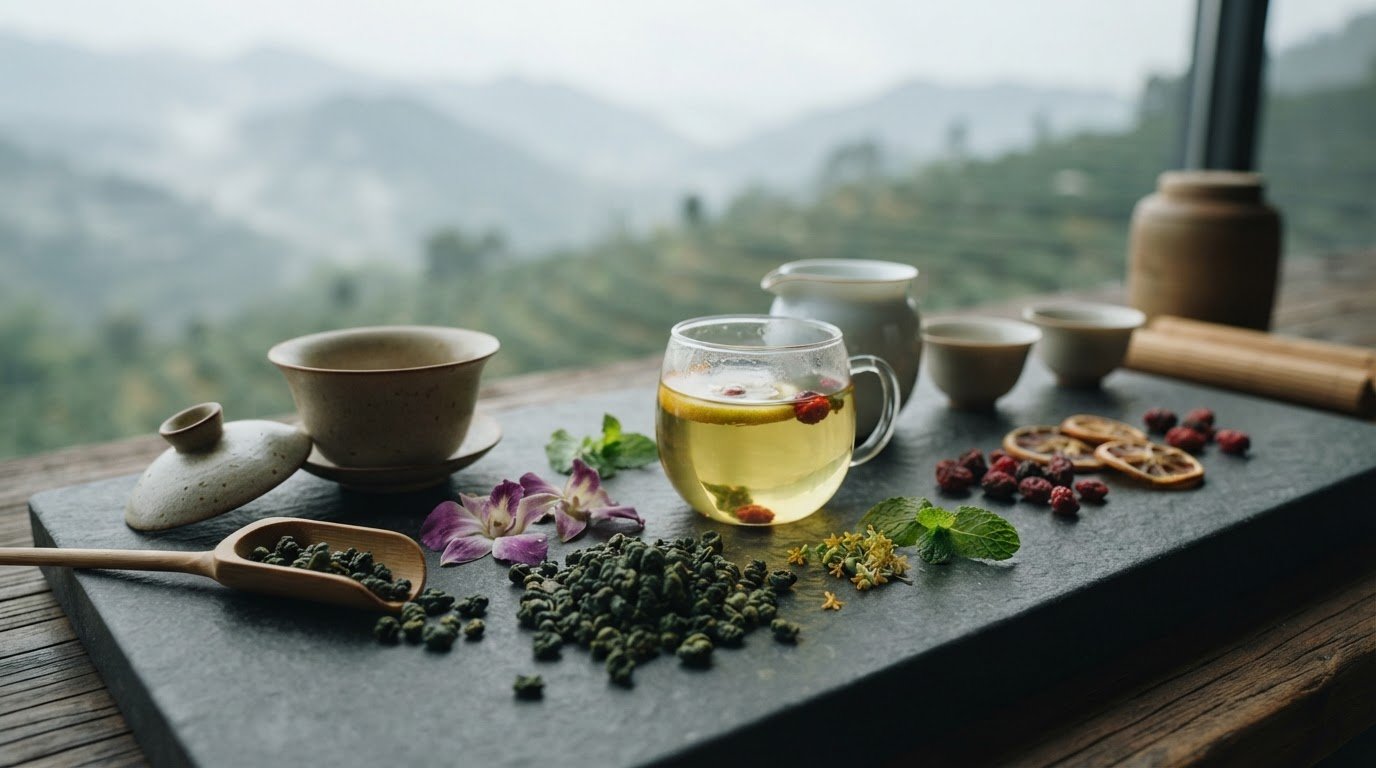
What if the floral tea in your cup isn’t green tea at all? Iron guan yin tea can suggest fresh blossoms and bright green leaves, yet it belongs to the oolong family. Its character begins in Anxi, Fujian, then shifts with the choices made in processing, from a lively, floral style to a deeper, roasted expression.
If you’ve wondered how to tell these styles apart, or worried that a little too much heat or steeping time might leave your tea bitter or dull, you’re in good company. The leaves offer clues in their shape and fragrance, while each infusion reveals a little more of their texture and sweetness.
This guide explores Iron Guan Yin’s place among oolongs, the craft behind its changing aromas and flavors, and practical brewing starting points to help you find a balanced cup. You’ll also learn how to taste successive infusions with care, so the tea’s character can unfold at its own unhurried pace.
Key Takeaways
- Understand why iron guan yin tea belongs to the oolong family, despite some cups tasting bright and green.
- Learn how leaf handling, oxidation, shaping, and finishing help create distinctive aromas and flavors.
- Compare lighter floral and more roasted styles while treating tasting notes as tendencies, not guarantees.
- Use a simple brewing approach, then adjust for your leaves, water, vessel, and preferred strength.
- Choose with greater confidence by looking for clear origin, processing, harvest, and brewing details.
Table of Contents
- What Is Iron Guan Yin Tea? Meet a Distinctive Chinese Oolong
- How Iron Guan Yin Processing Shapes Its Fragrance and Flavor
- Iron Guan Yin Styles Compared: Floral, Roasted, and Regional Expressions
- How to Brew Iron Guan Yin Tea and Taste Its Changing Infusions
- How to Choose, Appreciate, and Explore Iron Guan Yin Tea
What Is Iron Guan Yin Tea? Meet a Distinctive Chinese Oolong
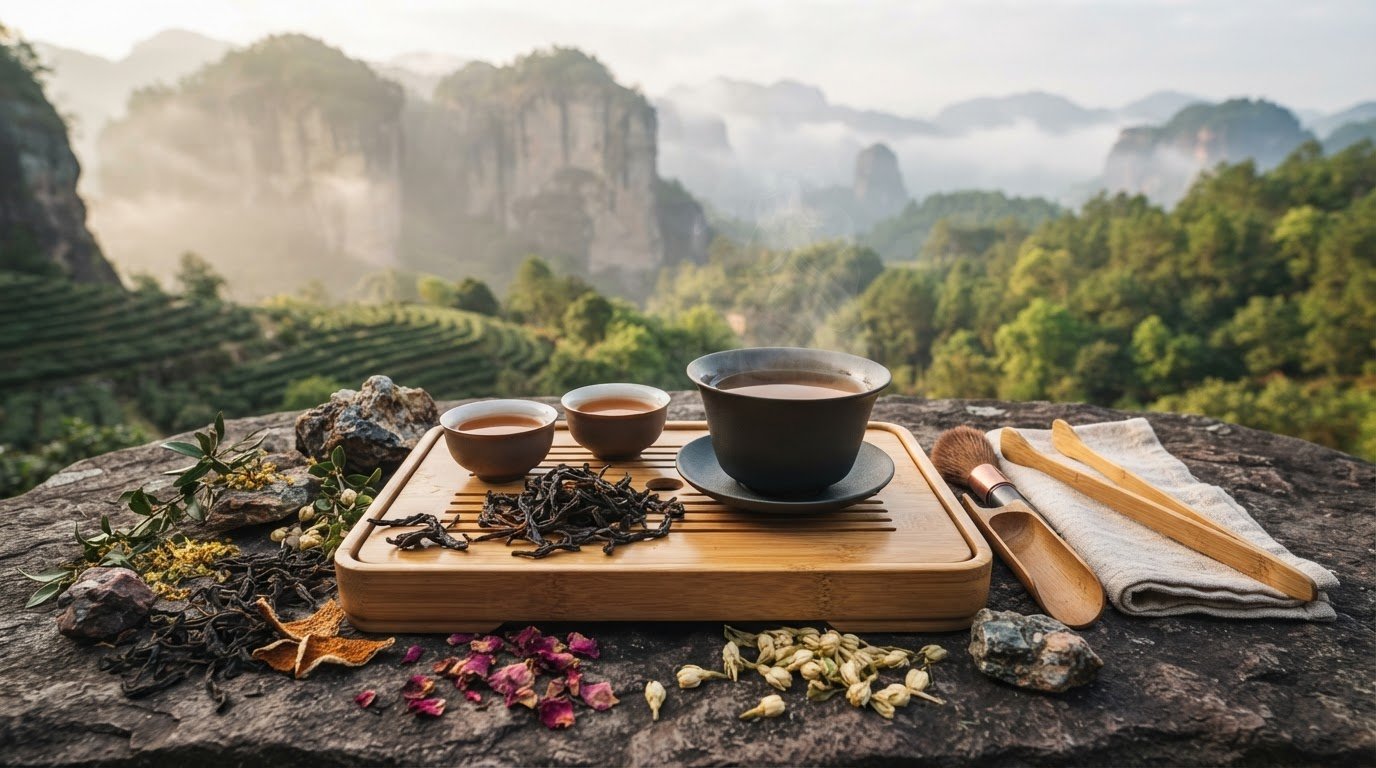
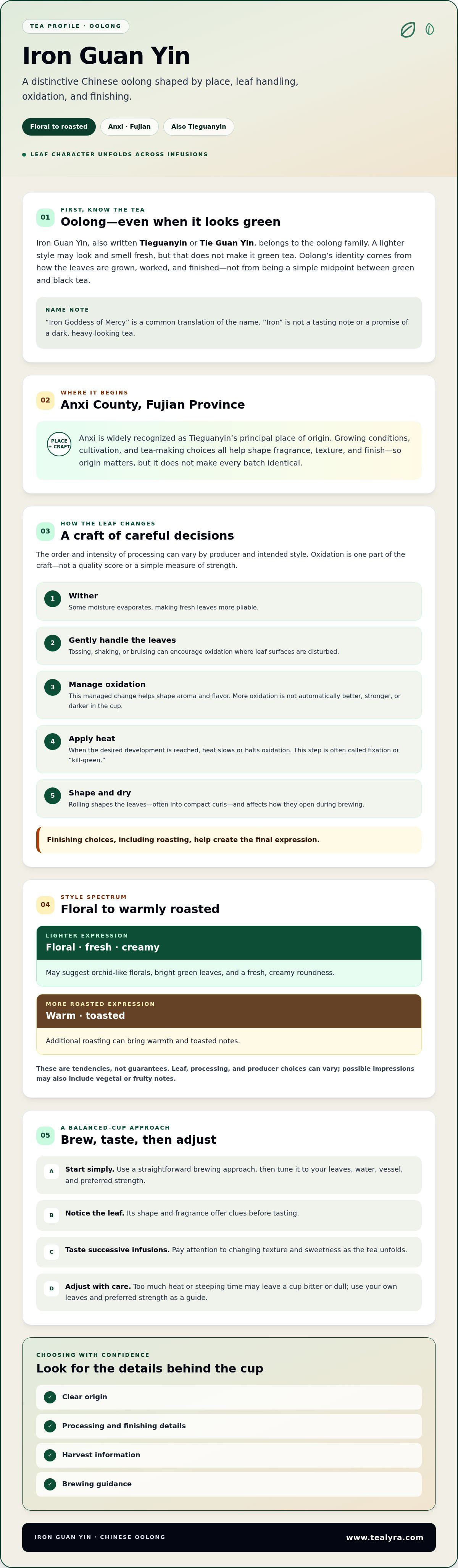
Iron Guan Yin tea, also written as Tieguanyin or Tie Guan Yin, is a Chinese oolong known for its layered fragrance and range of expressions. A lighter cup may open with orchid-like florals and a fresh, creamy roundness; a more roasted version can bring warm, toasted notes. The name points to a tea tradition, not one fixed flavor.
Oolong is made through a varied set of processes, with degrees of oxidation and handling that produce a broad spectrum of styles. Green and black teas can offer useful points of comparison, but oolong isn’t simply a midpoint between them: its identity comes from how the leaves are worked and finished, as well as how they’re grown.
For a visual introduction to Anxi oolong and its familiar names, watch this overview:
Why Is Iron Guan Yin Also Called Tieguanyin?
Tieguanyin is the common pinyin spelling of the Chinese name; English-language tea writing also uses “Tie Guan Yin” and “Iron Guan Yin.” The name is commonly translated as “Iron Goddess of Mercy,” referring to Guanyin, the bodhisattva of compassion in Chinese Buddhist tradition. The word “iron” shouldn’t be read as a tasting note or a promise that every version has a dark, heavy appearance. For an overview of the name, history, and varieties, see Tieguanyin oolong tea.
Where Does Iron Guan Yin Tea Come From?
Anxi County in Fujian Province is widely recognized as Tieguanyin’s principal place of origin. In tea, terroir describes how a place’s growing conditions interact with cultivation and the decisions made by tea makers. Together, these influences help shape fragrance, texture, and finish, so origin is meaningful but doesn’t make every batch identical.
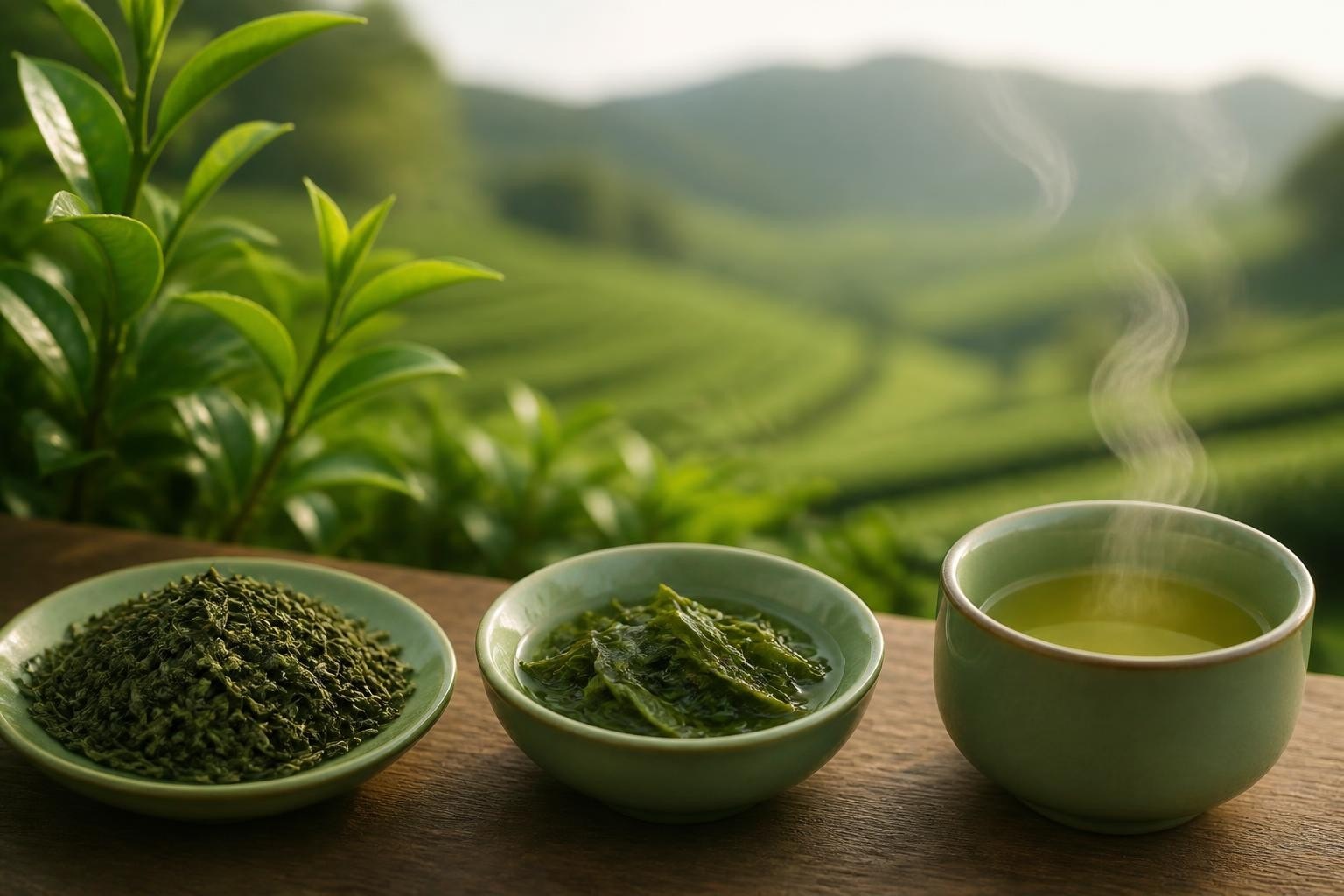
Tea names can also travel beyond their original growing area, and production choices can further distinguish one tea from another. For a useful comparison with a different tea category, explore this Chinese green tea guide. The contrast helps clarify the distinction: Iron Guan Yin is an oolong, even when its lighter styles look and smell strikingly fresh.
How Iron Guan Yin Processing Shapes Its Fragrance and Flavor
A tea leaf’s aroma doesn’t simply come from the plant; it is coaxed into being through a sequence of careful decisions. For iron guan yin tea, makers guide the leaves through withering, gentle handling, managed oxidation, shaping, and heat-based finishing. The order and intensity of these steps can vary by producer and intended style.
Processing influences an oolong’s aroma, taste, and leaf appearance by shaping how its compounds develop and how the finished leaf retains them. Oxidation is one part of that craft, not a score of quality or a simple measure of strength. A more oxidized tea isn’t automatically better, stronger, or darker in the cup.
What Happens to the Leaves During Oolong Processing?
Fresh leaves are first withered, allowing some moisture to evaporate and making them more pliable. Makers may then gently toss, shake, or bruise the leaves, encouraging oxidation where leaf surfaces have been disturbed. This managed change helps shape the tea’s aroma and flavor. It’s distinct from the slow changes that can occur as dried tea ages in storage.
When the desired development is reached, heat is applied to slow or halt oxidation. This step is often called “fixation” or “kill-green,” though the method and timing vary. The leaves are then shaped and dried. Depending on the leaf and choices made along the way, the cup may lean toward floral, creamy, vegetal, or fruity impressions. These are possibilities, not guarantees.
How Do Roasting and Shaping Change the Cup?
Rolling and shaping form the leaves into their finished appearance, often compact and curled in Tieguanyin. This also affects how the leaves open during brewing. A lighter finish may preserve a brisk, fragrant impression, while additional roasting can bring warmth, toasted or nut-like notes, and a rounder sense of depth. These are broad tendencies, not rigid categories.
Roast can soften some delicate floral impressions, but it doesn’t necessarily erase them. The result depends on the leaves and the maker’s choices, and the liquor may still carry a sweet or aromatic thread beneath its warmer notes. Brewing adds another layer: a study of Tieguanyin brewing conditions examines how temperature, steeping time, and the water-to-tea ratio affect flavor and chemical composition. The same leaves can therefore reveal different facets in the cup.
As you explore loose-leaf tea, clear descriptions of style and finish can help set expectations; Tealyra Store - The Best Galaxy of Teas offers loose-leaf teas and brewing accessories for continuing that exploration.
Iron Guan Yin Styles Compared: Floral, Roasted, and Regional Expressions
Iron Guan Yin’s style labels offer clues, not guarantees. A lighter, often unroasted expression may be described as floral or fresh, while a more roasted version can suggest toasted grain, nuts, or warm sweetness. Neither profile is automatically more authentic or superior. Leaf material, maker’s choices, provenance, storage, and brewing all influence what reaches the cup.
How Do Lighter and More Roasted Iron Guan Yin Teas Differ?
Modern Qing Xiang, often translated as “light fragrance,” tends toward a bright, aromatic profile. More traditionally roasted Nong Xiang, or “strong fragrance,” may feel rounder and warmer, with roast notes that can soften some delicate floral impressions. These are broad tendencies, not fixed recipes. Taste with curiosity: labels can guide you, but the leaves tell the fuller story.
| Style tendency | Possible sensory cues | What to notice |
|---|---|---|
| Lighter, floral | Fresh, orchid-like, sometimes creamy or gently vegetal | How the aroma carries into the liquor, and whether the finish stays bright or turns sweet |
| More roasted | Toasted, warm, potentially nut-like or softly sweet | Whether the roast feels integrated, and how it changes the tea’s texture and lingering finish |
For a meaningful comparison, smell the dry leaves, then the warmed leaves after brewing. Notice the liquor’s color and texture, and whether the finish is brisk, sweet, or warmly lingering. If possible, taste both styles using similar water and brewing methods. That keeps the contrast focused on the tea rather than on changing preparation.
What Do Origin and Craft Tell You About a Tea?
Anxi in Fujian is closely associated with Tieguanyin, but an origin statement is context, not a promise of a particular flavor or quality. Within a region, growing conditions and craft vary; outside it, teas may use similar cultivars or methods without sharing the same provenance. Look for clear details about origin and processing, then judge the cup on its own merits.
Descriptors such as “floral” or “roasted” are useful invitations to taste, not proof of what you’ll find. Compare them with your own observations: aroma, liquor, mouthfeel, and finish. To explore how another Chinese tea category can encompass varied styles, see these Chinese green tea varieties. That comparison offers context without confusing green tea with oolong or implying a specific Iron Guan Yin selection.
How to Brew Iron Guan Yin Tea and Taste Its Changing Infusions
A balanced cup begins with a steady baseline, then improves through small, mindful adjustments. Iron guan yin tea can be brewed in a roomy mug or a small infuser, and the shape of the leaves, water quality, vessel, and personal taste all affect the result. Treat the following as a starting point, not a fixed rule; follow the tea’s own directions if available.
What Is a Good Starting Method for Iron Guan Yin?
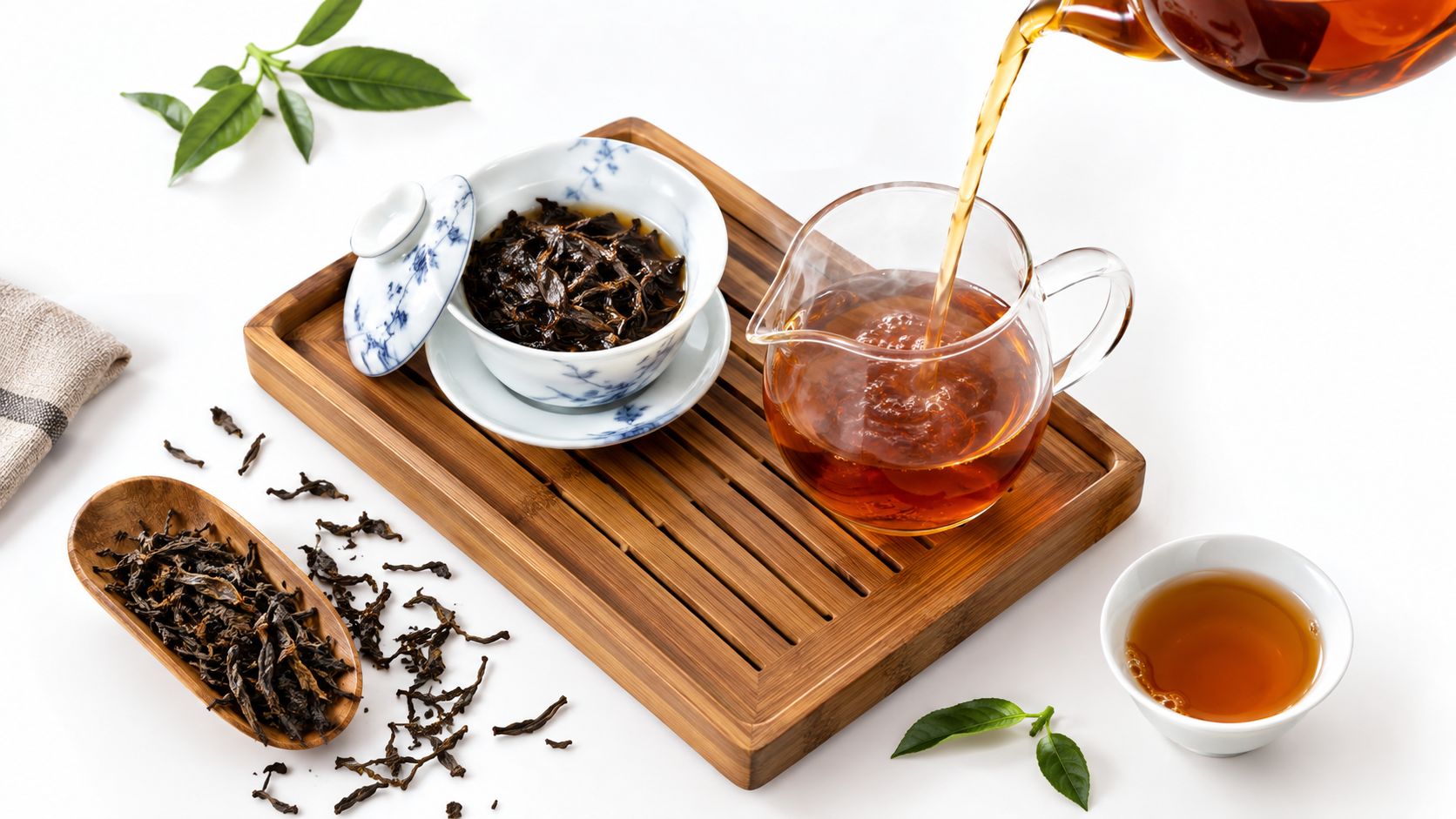
Western-style starting method: Use about 2 grams of leaf for 250 milliliters of water, heated to roughly 90-95°C (194-203°F). Steep for 2 minutes, taste, then add time in small increments if you prefer a fuller cup. A basket infuser or roomy teapot gives rolled leaves space to open. Browse loose-leaf tea accessories for suitable brewing vessels and infusers.
For a more concentrated, multi-infusion approach, try gongfu-style brewing: use a small teapot or gaiwan, a higher proportion of leaf, and short steeps. As a practical first experiment, try around 5 grams in 100 milliliters of water near 95°C, beginning with a brief infusion and lengthening subsequent steeps to taste. Leaf size and roast level can change how quickly a tea gives up its flavor, so adjust gently.
How Can You Adjust the Brew to Suit Your Taste?
If the liquor tastes harsh or overly drying, shorten the steep or lower the water temperature, changing one variable at a time. If it tastes thin, slightly increase the leaf quantity or steep time. This measured approach makes it easier to discover whether the change brought out more fragrance, sweetness, or body. Research on Tieguanyin brewing also examines how water temperature, steeping time, and leaf-to-water ratio influence the cup; see research on Tieguanyin brewing conditions.
Green tea brewing guidance can illustrate the same adjustable variables, but Iron Guan Yin needs its own starting parameters. Once brewed, taste in sequence: smell the dry leaves, observe the liquor’s color, take a small sip, then pause to notice the finish. With successive infusions, look for changes in aroma and texture rather than expecting each cup to taste identical.
To explore brewing tools for your own loose-leaf ritual, browse tea and teaware at Tealyra Store - The Best Galaxy of Teas.
How to Choose, Appreciate, and Explore Iron Guan Yin Tea
Choosing iron guan yin tea is easier when you look beyond a poetic tasting note or a bold grade label. Clear information helps you understand what’s in the package and gives you a fair starting point for tasting, while your own senses tell you whether the tea suits you.
What Should You Look for When Exploring Iron Guan Yin?
Before buying, look for a few practical details:
- Origin: Check whether the seller names Anxi or another growing region, rather than relying on a broad country-of-origin statement alone.
- Processing: Look for an explanation of whether the tea is lightly finished or roasted, and treat labels as useful clues rather than guarantees.
- Harvest or lot details: Specific harvest information can help distinguish one batch from another; unexplained grade names or superlatives offer less context.
- Brewing advice: Clear starting guidance makes it easier to prepare the leaves well and adjust the cup to your taste.
Seller tasting notes can suggest what to notice, but they’re not a promise that every drinker will find the same flavors. Try describing the tea in your own words: perhaps the fragrance feels floral, the texture softly rounded, or the finish gently toasted. Keep notes about the leaf, water, steeping, and infusion, too. If a cup tastes different from your expectation, that’s useful information, not a mistake.
Storage matters after you bring tea home. Follow the seller’s guidance, and keep the leaves away from moisture, direct light, and strong surrounding aromas. A well-sealed container helps preserve the tea’s fragrance between sessions.
Where Can a Curious Tea Drinker Go Next?
Compare Iron Guan Yin with another oolong, ideally one with a different roast or fragrance profile. Brew them in the same way and notice how the aromas, mouthfeel, and finish diverge. Then try the same tea across successive infusions. Your preference may shift as the leaves open, or when you alter the preparation slightly.
A suitable infuser or small teapot can make repeated brewing more comfortable and help leaves unfurl. If you’d like to explore practical tools for loose-leaf preparation, browse Tealyra Store - The Best Galaxy of Teas’ tea accessories. The store offers loose-leaf teas, including oolong, though availability of Iron Guan Yin isn’t confirmed. Let curiosity guide the next cup, and allow your own tasting notes to take shape over time.
Let Each Infusion Reveal Something New
Iron guan yin tea is best understood as a meeting of place, leaf, and craft. Its floral or roasted character depends on how the tea is made, while careful brewing lets its aroma, texture, and finish unfold across infusions. Start with a measured recipe, then adjust one detail at a time and trust what you notice in the cup.
With a little attention, tasting becomes less about matching someone else’s description and more about discovering what you enjoy, whether that’s a bright fragrance, a rounded mouthfeel, or a lingering warmth. Each session can offer a new perspective.
Tealyra Store - The Best Galaxy of Teas offers loose-leaf teas across several tea families, including oolong, along with accessories for preparing loose-leaf tea. Explore Tealyra Store - The Best Galaxy of Teas loose-leaf teas and find inspiration for your next quiet tea ritual. Keep tasting with curiosity, and let each cup guide the way.
Frequently Asked Questions
Is Iron Guan Yin tea the same as Tieguanyin?
Yes. Iron Guan Yin, Tie Guan Yin, and Tieguanyin are English spellings of the same Chinese tea name. It’s commonly translated as “Iron Goddess of Mercy,” a reference to Guanyin, the bodhisattva of compassion. The name can refer to the tea style and, in some contexts, its cultivar. It doesn’t mean every tea sold under the name will have an identical aroma, appearance, or taste.
Is Iron Guan Yin a green tea or an oolong tea?
Iron Guan Yin is an oolong tea, not a green tea. Oolong production involves managed oxidation and other processing choices that distinguish it from green tea, though oolongs vary widely in style. Some lightly finished Iron Guan Yin may look or smell fresh and floral, which can bring green tea to mind. Its classification comes from how the leaves are processed, not simply from the color or flavor of the cup.
What does Iron Guan Yin tea taste like?
Iron Guan Yin tea can taste floral, creamy, fresh, sweet, or gently toasted, depending on the leaves and how they’re processed and brewed. Lighter examples may suggest orchid-like fragrance, while roasted versions can offer warmer, deeper impressions. These are possibilities rather than promises. Water, steeping, storage, and repeated infusions also shape what you notice, so tasting notes are best treated as a guide for your own exploration.
How do you brew Iron Guan Yin tea?
As a starting point, steep about 2 grams of leaf in 250 milliliters of water at roughly 90-95°C (194-203°F) for about 2 minutes. Taste, then adjust the steep time to suit your preference. A roomy infuser or teapot lets the leaves open. If the cup tastes harsh, try a shorter steep or slightly cooler water, changing one variable at a time rather than adjusting everything together.
Can Iron Guan Yin tea be steeped more than once?
Yes. Many Iron Guan Yin leaves can be infused more than once, especially when brewed loose and given room to unfurl. Each steep may reveal a different balance of fragrance, texture, and finish. Pour off the first infusion fully, then taste the next one before deciding whether to extend its steep. The number of satisfying infusions depends on the tea, leaf quantity, water, and brewing method.
Does Iron Guan Yin tea contain caffeine?
Yes. Iron Guan Yin is made from tea leaves of the Camellia sinensis plant, so it naturally contains caffeine. The amount in a cup can vary with the leaves, how much you use, water temperature, and steeping time. If you’re monitoring your caffeine intake, check the seller’s information when available and consider your own sensitivity. A shorter steep doesn’t make the tea caffeine-free.
What is the difference between lightly roasted and roasted Iron Guan Yin?
Lightly roasted Iron Guan Yin tends to emphasize fresh, floral aromas, while a more pronounced roast can bring toasted, warm notes and a rounder impression. Roast may soften delicate floral qualities, but the result depends on the tea and maker; neither style is automatically better. Compare the dry-leaf aroma, brewed liquor, mouthfeel, and lingering finish, and treat style descriptions as helpful clues rather than guarantees.
Article by
Tealyra
The Best Galaxy Of Teas