 by Tealyra
Brew Up to 200 mg: How to Make the Highest Caffeine Tea
See HPLC mg ranges and brew steps to control caffeine per cup. Compare matcha, black tea, puerh, and mate and shop by clear serving sizes.
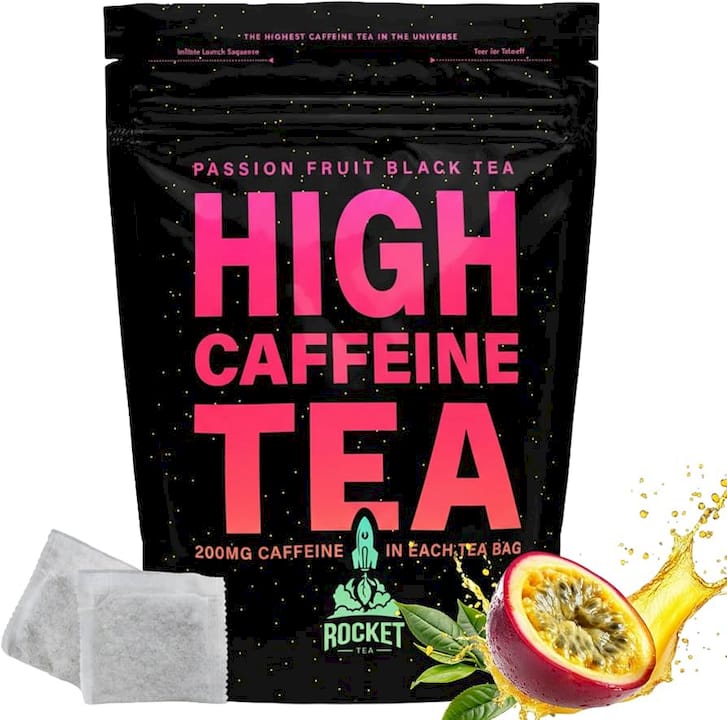
Matcha, strong black teas like Assam, pu-erh, and mate-style drinks such as yerba mate and guayusa consistently top the list for highest caffeine tea. But the ranking flips depending on how much leaf you use and how you brew it. Skip ahead to the breakdown below for real mg ranges. Go to the brewing section if you want to push any of these teas higher or lower on demand.
TL;DR:
- A large mug of strong black tea steeped for five minutes can easily provide more caffeine than a typical serving of ceremonial matcha due to volume and leaf quantity.
- Brewed caffeine levels vary widely depending on steeping time, temperature, leaf amount, and brewing method, making standardized claims unreliable without context.
- Batch-to-batch differences, leaf age, cultivar, and processing significantly influence caffeine content, with shade-grown leaves tending to have higher caffeine levels.
- The safest maximum caffeine intake for most adults is about 400 mg per day, but highly concentrated caffeine supplements pose serious health risks.
- Choosing loose-leaf teas allows better control over caffeine intake compared to bagged teas, especially for extended infusions or multiple steepings.
Table of Contents
- The Highest Caffeine Tea Types, Ranked
- Why Caffeine Numbers Vary So Much Between Studies
- How Brewing Choices Push Caffeine Up or Down
- How Much Caffeine Is Safe in a Day?
- Finding High-Caffeine Teas You Can Actually Trust
- Matching Your Tea to the Energy You Actually Need
- Shop Matcha, Black Tea, and Mate at Tealyra
- Sources Used in This Article
- FAQ
The Highest Caffeine Tea Types, Ranked
Caffeine content in tea isn’t fixed. It swings based on plant type, leaf processing, and how much material actually ends up in your cup. Still, some categories reliably land at the top of the list, and understanding why helps you shop smarter.
1. Matcha
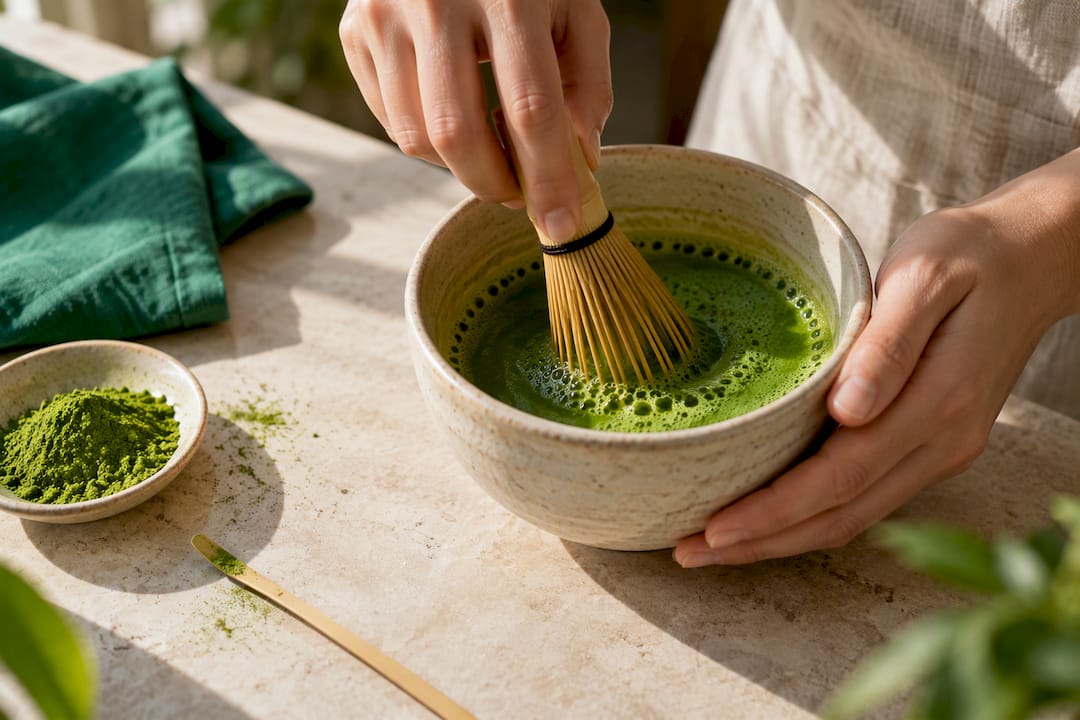
Matcha wins on concentration because you drink the whole leaf, not a strained infusion. Ground into a fine powder and whisked directly into water, matcha delivers every milligram of caffeine that was in the leaf, with none lost to a discarded tea bag. Published analysis of matcha and green tea samples found caffeine concentrations reaching roughly 35 mg per gram of leaf in some ceremonial-grade batches, noticeably higher than typical bagged green tea. Culinary-grade matcha, often used in lattes, tends to run a bit lower than ceremonial grade, but both beat a standard steeped green tea because of that whole-leaf consumption model.
2. Strong black tea (Assam, English breakfast)
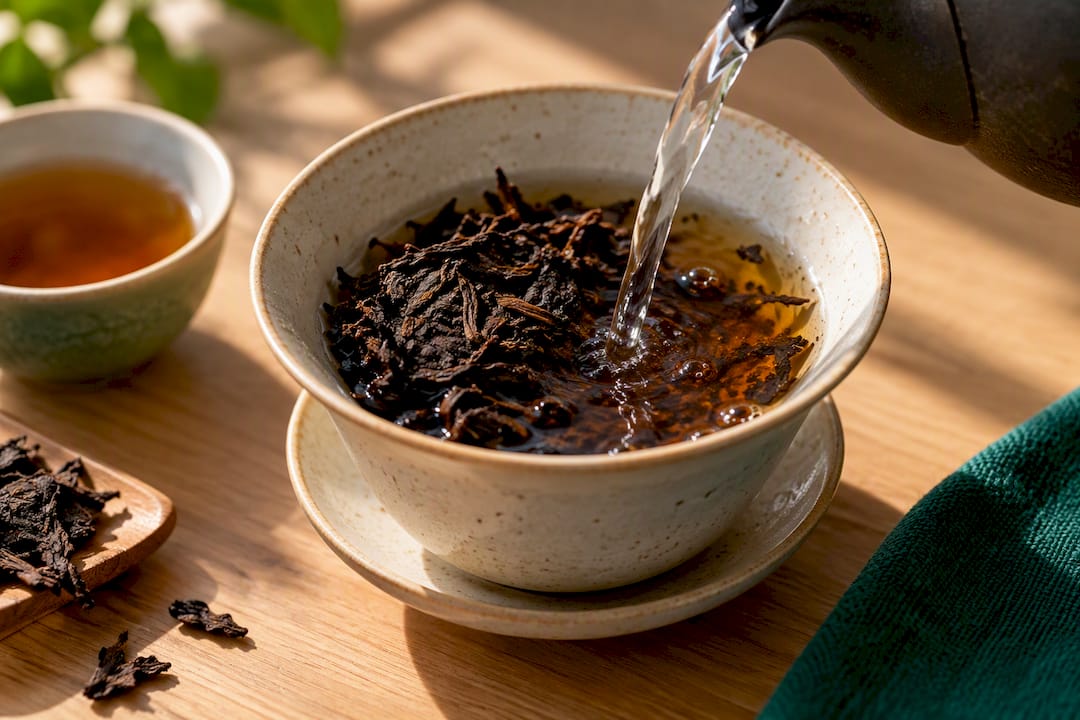
Black tea undergoes full oxidation, a process that appears to concentrate caffeine in the finished leaf more than lighter oxidation methods used for green or white tea. Laboratory testing using HPLC methodology found black tea infusions often measuring higher in caffeine per 200 mL cup than green or white teas brewed under comparable conditions. A robust Assam or English breakfast blend, steeped a full four to five minutes, regularly lands in the higher end of the tea caffeine spectrum.
3. Pu-erh
Pu-erh is the wild card. Because it’s compressed, aged, and sometimes fermented, caffeine readings vary more here than in almost any other tea category. The same HPLC research found pu-erh among the higher-measuring teas under certain brewing conditions, but batch-to-batch variability is real. Aged, loose pu-erh brewed hot and long can deliver a serious dose. A quick rinse-and-short-steep preparation delivers considerably less.
4. Yerba mate and guayusa
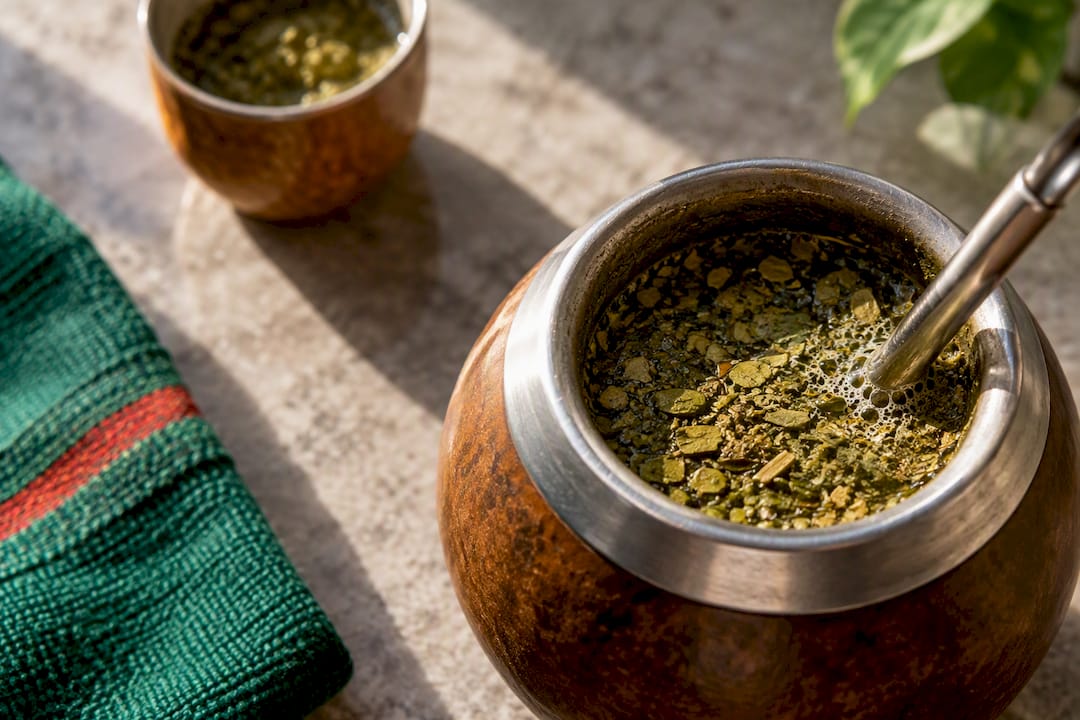
Neither of these comes from the Camellia sinensis plant, but both belong in any caffeinated tea comparison because people drink them the same way, hot, steeped, often in a shared gourd or mug. Guayusa in particular has been documented with caffeine concentrations in hot-water extracts comparable to conventional tea, sometimes running higher. Mate drinkers who steep multiple rounds from the same leaves (a common South American tradition) can end up consuming more total caffeine over a session than a single cup of coffee.
Pro Tip: Don’t assume a small cup of ceremonial matcha automatically beats a large mug of black tea. A 20-ounce travel mug of strong Assam, steeped five minutes with a generous tea bag, can easily outpace a modest two-gram matcha serving. Volume and leaf dose matter as much as tea type.
Why Caffeine Numbers Vary So Much Between Studies
Two teas labeled “high caffeine” can test wildly differently depending on how researchers measured them. Most credible caffeine data comes from high-performance liquid chromatography (HPLC), a laboratory method that separates and quantifies caffeine molecules with high precision. It’s the gold standard for a reason: it’s accurate down to the milligram. But precision in the lab doesn’t guarantee consistency across studies, because researchers make different choices about what they’re actually measuring.
A few factors drive that inconsistency:
- Per-gram versus per-cup reporting. A study measuring milligrams of caffeine per gram of dry leaf tells you about the plant material. A study measuring milligrams per 200 mL prepared infusion tells you what actually ends up in your mouth. These are different numbers, and confusing them is the single biggest reason caffeine claims seem to contradict each other.
- Cultivar and leaf age. Younger leaves and buds tend to carry more caffeine than mature leaves from the same plant.
- Shading before harvest. Shade-grown leaves, the kind used for matcha and gyokuro, often develop higher caffeine as a natural defense response.
- Processing method. Oxidation, fermentation, and drying all alter the finished leaf’s chemistry.
- Brewing variables. Water temperature, steep time, and leaf-to-water ratio move the needle more than almost anything else.
- Lab protocol differences. Even with HPLC, extraction methods and calibration standards differ slightly between research groups.
That HPLC research on fermentation degree and brewing conditions found that steeping time and water temperature significantly changed measured caffeine per 200 mL cup across every tea type tested, sometimes more than the tea variety itself did. Read caffeine claims with that in mind: a number without brewing context is only half the story.
How Brewing Choices Push Caffeine Up or Down
You have more control over caffeine content than the tea type suggests. Four adjustments matter most:
- Steep longer for more caffeine. A five-minute steep pulls noticeably more caffeine than a two-minute steep from the same leaves, regardless of tea type.
- Use hotter water. Caffeine dissolves more readily at higher temperatures, so a near-boiling steep extracts more than a lukewarm one, particularly relevant for green teas often brewed cooler to protect flavor.
- Increase leaf mass. Doubling your tea leaf per cup roughly doubles the extractable caffeine, all else equal.
- Choose culinary-grade matcha over ceremonial for a stronger effect, or the reverse if you want a gentler cup, since serving sizes and grind consistency differ between the two.
Practically, that means you can raise caffeine by using bagged formats or finer particles, steeping longer and hotter, or lower it with shorter, cooler, lighter-dose brews, the same lever set researchers point to when explaining why identical teas test so differently across studies.
Pro Tip: Loose-leaf tea generally offers more control than bagged tea because you decide the exact leaf mass. If you’re trying to stretch a strong tea over a longer session, many loose teas, especially pu-erh, hold up across two or three infusions, delivering a moderate dose each round rather than one concentrated hit.
How Much Caffeine Is Safe in a Day?
The FDA states that up to 400 mg of caffeine per day is generally not associated with negative effects for most healthy adults, roughly four to five cups of coffee. That threshold comes with real exceptions: pregnant individuals, children, and people with caffeine sensitivity or certain heart conditions should stay well below it, often on a doctor’s specific guidance.
For context, typical caffeine amounts look like this:
- Green tea: roughly 30 to 40 mg per 8 ounce cup
- Black tea: roughly 60 to 70 mg per typical cup
- Brewed coffee: around 95 mg per typical 8-ounce cup
- Matcha and strong infusions can meet or exceed coffee’s range depending on dose and brew strength
The bigger risk isn’t your teacup, it’s engineered concentrate. The FDA has specifically warned that highly concentrated powdered or liquid caffeine supplements carry real danger, since a small measuring error can push a serving from a normal dose into a toxic one. Stick to premeasured, labeled tea servings and check any packaging carefully before assuming a “high caffeine” claim is safe at any quantity.
Finding High-Caffeine Teas You Can Actually Trust
A wide selection of loose-leaf teas is available, including matcha, robust black blends, aged pu-erh, and mate-style options, each with product details that spell out leaf form, recommended serving size, and brew guidance rather than a vague “high caffeine” label. Before buying anywhere, run through a quick checklist: is it powdered or infused, what’s the recommended leaf mass per cup, and what brew temperature and time does the seller suggest? Those details tell you more about your actual caffeine dose than any marketing claim. Shipping policies may offer free delivery above a certain order amount, making it easy to sample a few high-caffeine categories side by side.
Matching Your Tea to the Energy You Actually Need
Reach for matcha when you want steady, clear-headed focus. Its L-theanine content tends to smooth out caffeine’s edge. Grab a strong black tea for a fast, direct jolt, and lean on mate for a longer, more social lift. For most readers chasing an all-around energy boost without jitters, matcha is the best starting point.
— Tealyra
Shop Matcha, Black Tea, and Mate at Tealyra
Once you know which caffeine profile fits your morning, sourcing it shouldn’t be complicated. Tealyra’s collections organize matcha, bold black blends, aged pu-erh, and mate-style teas by category, with product notes covering leaf form and brewing directions so you’re not guessing at serving size or steep time.
Every listing spells out what you’re actually buying, whether that’s a ceremonial-grade matcha meant for whisking or a loose Assam built for a strong, five-minute steep. Free shipping may be available for orders above a certain amount, which makes it practical to try a few high-caffeine options at once and compare them yourself rather than relying on a label alone. Browse the full loose leaf tea selection to start building a rotation that matches your energy needs, whether that’s a steady matcha morning or a bold black tea afternoon.
Sources Used in This Article
- FDA: Spilling the Beans on Caffeine Limits
- HPLC Study on Tea Fermentation and Brewing Conditions
- FDA Guidance on Concentrated Caffeine Products
- USDA FoodData Central
This article is general information, not a substitute for advice from a qualified doctor. Consult a qualified healthcare professional about your own circumstances before acting on anything here.
FAQ
Is there a tea with 200 mg of caffeine in a single serving?
It’s possible, though not typical. A strong matcha serving using a heavier dose, or a large mug of black tea steeped long and hot, can approach or exceed that figure depending on leaf mass and water volume. Most standard servings of green or black tea fall well under typical coffee caffeine levels, so 200 mg usually requires a deliberately concentrated preparation.
Which tea brands have the most caffeine?
Caffeine varies more by leaf form and brewing method than by brand name specifically. Tealyra’s matcha and bold black tea collections list serving size and brew guidance on each product page, which matters more for predicting your actual caffeine intake than any brand claim alone.
Do any teas have more caffeine than coffee?
Yes, under the right conditions. A concentrated matcha serving or a strongly steeped black tea can match or exceed the roughly 95 mg found in an average 8 ounce cup of coffee, especially when brewed with extra leaf and a longer steep time.
What is the unhealthiest tea to drink?
No conventional brewed tea is inherently unhealthy at normal serving sizes. The real risk lies with highly concentrated powdered or liquid caffeine products, which the FDA has flagged as dangerous because small measuring mistakes can lead to toxic doses. Standard loose-leaf tea, brewed as directed, doesn’t carry that risk.