 by Tealyra
Lower Systolic BP 7.10 mmHg: Hibiscus Tea Benefits and 3–9 g Doses
An evidence-first look at hibiscus tea benefits: trials show a 7.10 mmHg systolic drop. Learn trial-equivalent 3–9 g daily doses, steeping notes, and...
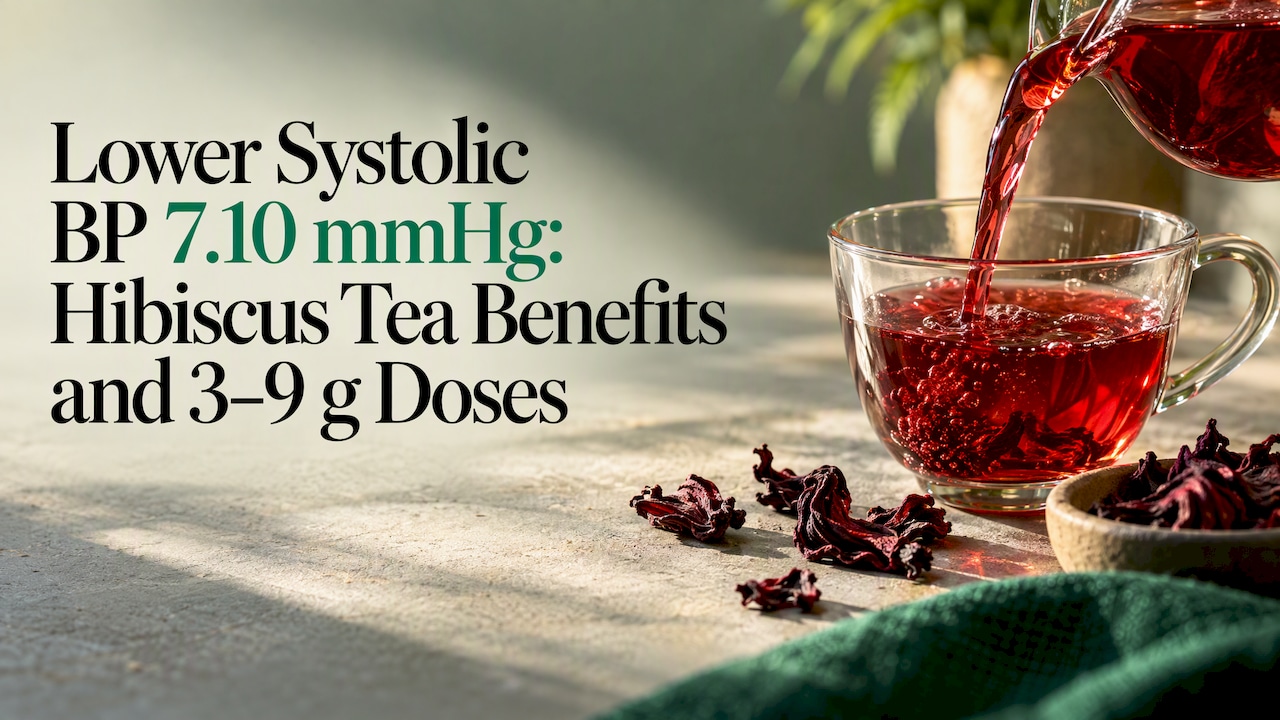
Yes, clinical trials and meta-analyses show hibiscus tea can lower blood pressure, with an average drop of about 7 mmHg systolic in people who drink it regularly. Secondary effects on cholesterol and blood sugar are real but modest. If you take blood pressure medication or are pregnant, read the safety section before adding it to your routine.
TL;DR:
- Hibiscus tea reduces systolic blood pressure by about 7 mmHg when consumed regularly over several weeks, especially in people with elevated blood pressure.
- Modest improvements in LDL cholesterol and fasting glucose are statistically significant but typically insufficient to replace medication.
- Drinking brewed hibiscus tea in doses of 3 to 9 grams daily for at least four weeks aligns with the conditions of most clinical studies showing benefits.
- Combining hibiscus with blood pressure medication can cause an additive effect, so monitoring and medical consultation are advised.
- The weight loss effects of hibiscus tea are minimal and not clinically meaningful, making it an unreliable tool for reducing weight.
Table of Contents
- 1. Health benefits of hibiscus tea backed by research
- 2. Safety, side effects, and drug interactions to watch for
- 3. How to prepare hibiscus tea and doses used in clinical trials
- 4. What the clinical trials and meta-analyses actually found
- 5. How hibiscus tea interacts with your immune system
- 6. How hibiscus tea compares with other herbal teas
- 7. Tealyra’s take on fitting hibiscus into a wellness routine
- 8. Try hibiscus tea from Tealyra’s loose-leaf collection
- Sources
- FAQ
1. Health benefits of hibiscus tea backed by research
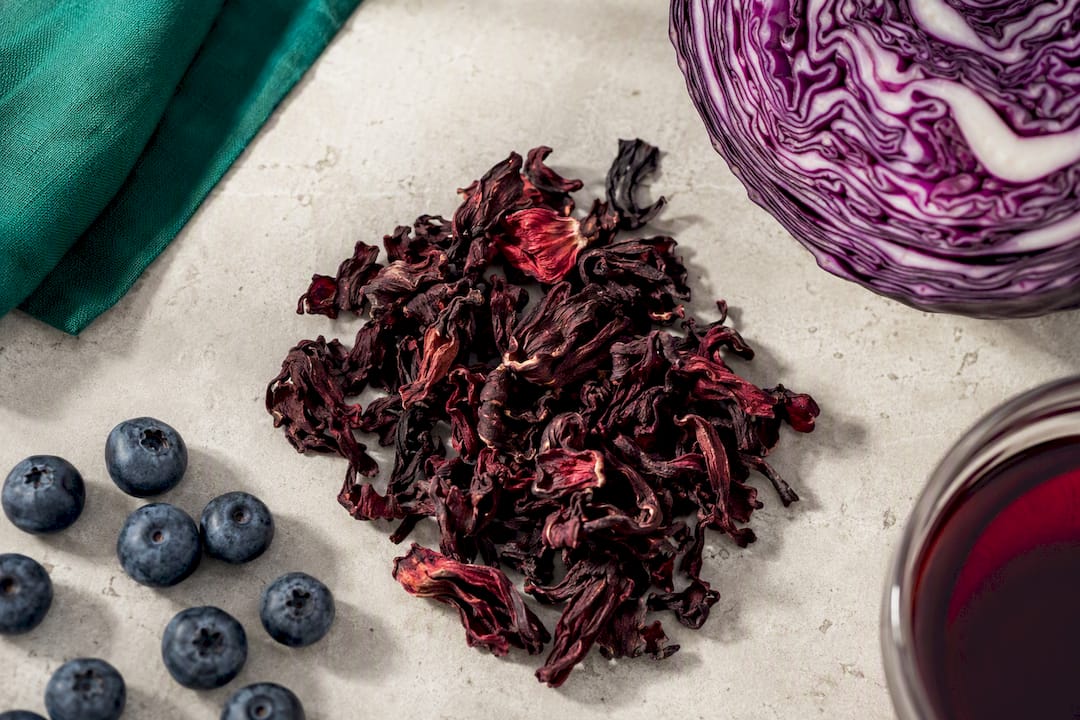
Hibiscus gets its ruby color from anthocyanins, the same pigment family found in blueberries and red cabbage. These compounds, along with the tea’s vitamin C content, act as antioxidants that help neutralize oxidative stress in the body. That antioxidant profile is the starting point for most of the benefits researchers have studied.
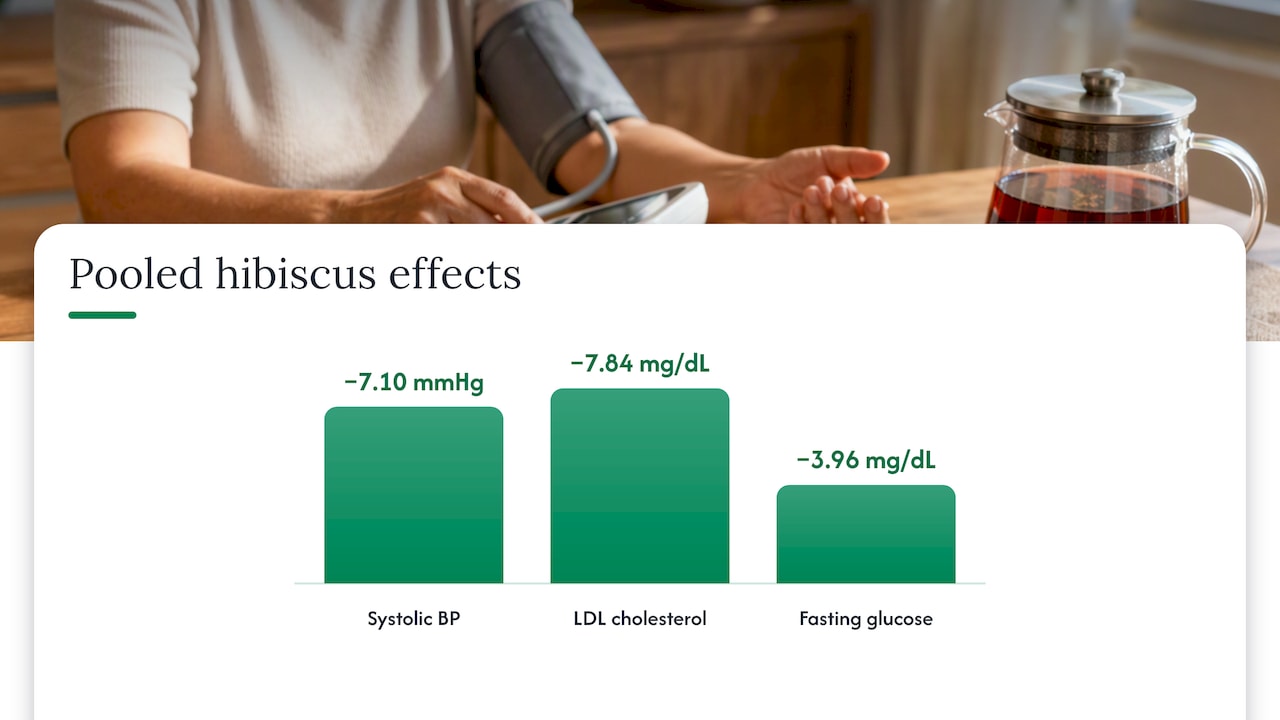
Blood pressure has the strongest evidence behind it. A 2021 systematic review and meta-analysis pooling multiple randomized trials found that regular consumption of Hibiscus sabdariffa reduced systolic blood pressure by roughly 7.10 mmHg compared with placebo. The effect showed up most clearly in people who started with elevated blood pressure, and it typically took several weeks of consistent drinking before the numbers moved.
Cholesterol and blood sugar improvements are smaller but statistically significant. The same pooled data found LDL cholesterol dropped by about 7.84 mg/dL on average, and fasting glucose fell by roughly 3.96 mg/dL. Those numbers won’t replace medication, but they suggest hibiscus can support a broader cardiometabolic strategy.
Liver health shows some protective signals, mostly from animal studies and a smaller pool of human trials. A 2022 review of clinical trials lists antioxidant and anti-inflammatory activity that may support liver function, though the authors caution that differences in dose and formulation across studies make firm conclusions hard to draw.
Antibacterial and anticancer properties show up in laboratory research, where hibiscus extracts have inhibited certain bacteria and cancer cell lines in petri dishes. None of that has been confirmed in human clinical trials, so treat these findings as early-stage biology rather than a reason to expect disease prevention from a cup of tea.
Weight loss is where the evidence disappoints. Marketing often points to concentrated hibiscus extracts, but a pooled analysis of randomized trials on hibiscus and obesity found an average weight change of just −0.27 kg, a difference the researchers labeled not clinically meaningful. Brewed tea alone is not a weight-loss tool.
- Blood pressure: the best-supported benefit, with measurable drops after weeks of regular use.
- Lipids and glucose: modest, statistically real improvements alongside a balanced diet.
- Liver protection and lab-based antibacterial effects: promising but not yet confirmed in strong human trials.
- Weight loss: not supported by pooled trial data for brewed tea.
A 2021 meta-analysis found hibiscus tea lowered systolic blood pressure by an average of 7.10 mmHg, an effect comparable in size to what some lifestyle interventions achieve.
2. Safety, side effects, and drug interactions to watch for
Hibiscus is generally well tolerated, but it is not risk-free for everyone. Because it can lower blood pressure, combining it with antihypertensive medication may cause an additive drop, sometimes leading to dizziness or lightheadedness. Interactions with other medications haven’t been thoroughly studied, so caution is warranted if you’re on a regimen with a narrow safety margin.
- Avoid hibiscus tea during pregnancy and breastfeeding, since preliminary data point to uterotonic activity that hasn’t been ruled safe.
- Watch for mild side effects reported in trials, including stomach upset, changes in taste perception, and occasional dizziness.
- If you take blood pressure medication, monitor your readings more closely when you start drinking hibiscus regularly, as recommended by resources like NCCIH’s guidance on hypertension.
- Stop drinking it and talk to a healthcare provider if you notice persistent lightheadedness or gastrointestinal discomfort.
Pro Tip: Start with one cup a day for the first week, especially if you’re on blood pressure medication, and check in with your provider before making it a daily habit.
3. How to prepare hibiscus tea and doses used in clinical trials
Matching what researchers actually used gives you the best shot at similar results. Clinical trials commonly relied on doses between 3 and 9 grams of dried calyces per day, often split across two to three cups, with benefits appearing after four to eight weeks of consistent use, according to the 2022 clinical trial review.
- Hot infusion: steep 3 to 4 grams of dried hibiscus calyces in about 8 ounces of hot water for 5 to 10 minutes, then strain.
- Cold brew: steep the same amount in cold water for several hours in the refrigerator, which extracts phytochemicals differently than hot water and may yield a milder flavor.
- Daily pattern: aim for two to three cups a day to land within the trial-equivalent range researchers studied.
- Skip the sugar: iced versions often get loaded with sweetener, which undercuts the point of drinking it for cardiometabolic support.
Concentrated extracts and capsules use standardized amounts that don’t translate directly to brewed tea, so treat supplements and loose-leaf hibiscus as different products rather than interchangeable options. Trials that saw blood pressure benefits generally used 3 to 9 grams daily for at least four weeks, which is a realistic target for a home routine.
4. What the clinical trials and meta-analyses actually found
The strongest data point comes from a 2021 meta-analysis of randomized controlled trials, which found a systolic blood pressure reduction of 7.10 mmHg with a confidence interval spanning −13.00 to −1.20 mmHg. That range reflects real variation between studies, a sign of heterogeneity driven by differences in dose, formulation, and study population.
| Outcome | Pooled effect | Source |
|---|---|---|
| Systolic blood pressure | −7.10 mmHg | Meta-analysis, 2021 |
| LDL cholesterol | −7.84 mg/dL | Pooled trial data |
| Fasting plasma glucose | −3.96 mg/dL | Pooled trial data |
| Body weight | −0.27 kg (not significant) | Obesity trial meta-analysis |
- Most trials were small, ran for a few weeks to a couple of months, and used different hibiscus formulations, from loose infusions to standardized extracts.
- Participants were often adults with mildly elevated blood pressure rather than the general population, which limits how broadly the findings apply.
- The overall confidence in the blood pressure finding is moderate: the direction of effect is consistent, but the size varies enough across studies that individual results will differ.
The practical takeaway: people with elevated baseline blood pressure who drink hibiscus tea consistently for a month or more are the ones most likely to notice a difference, while people with normal blood pressure or those hoping for weight loss should expect little to no measurable change.
5. How hibiscus tea interacts with your immune system
Hibiscus doesn’t have strong clinical trial data specifically targeting immune function, but its antioxidant and anti-inflammatory activity gives it a plausible supporting role. Vitamin C, present in meaningful amounts in dried hibiscus calyces, plays a well-established part in normal immune cell function. Anthocyanins add another layer of antioxidant capacity, helping offset oxidative stress that can otherwise burden immune responses over time.
None of this means hibiscus tea prevents illness or shortens a cold. The lab-based antibacterial findings mentioned earlier show hibiscus extracts can inhibit certain bacterial strains in a petri dish, but that doesn’t establish an immune benefit inside the human body. Think of hibiscus as one small contributor to a broader pattern of antioxidant intake, alongside foods like citrus, berries, and leafy greens, rather than a standalone immune booster.
If you’re drinking it for general wellness, the anti-inflammatory signals documented in the 2022 clinical trial review are a reasonable, modest reason to include it in a varied diet. Just keep expectations realistic: the evidence supports a supporting role, not a shield against infection.
6. How hibiscus tea compares with other herbal teas
Herbal teas each bring a different chemical profile to the table, and hibiscus stands out for its blood pressure data specifically. Harvard Health highlights hibiscus among a small group of herbal teas with cardiovascular research behind them, pointing to its anthocyanin content as the likely driver.
Chamomile has more evidence around sleep and relaxation than heart health. Peppermint tea is best studied for digestive comfort, easing bloating and cramping rather than blood pressure. Green tea, technically not herbal since it comes from the Camellia sinensis plant, has a large body of research on metabolism and antioxidant activity, but its caffeine content makes it a different choice for anyone sensitive to stimulants.
Hibiscus fills a specific niche: it’s naturally caffeine-free, has the clearest blood pressure data of the group, and offers a tart flavor that works well hot or iced. If your main goal is cardiovascular support without caffeine, hibiscus has more direct trial evidence behind it than most other herbal options. If you’re after digestive relief or better sleep, other herbal teas may be a better match for that specific goal.
7. Tealyra’s take on fitting hibiscus into a wellness routine
Quality matters here. Look for pure Hibiscus sabdariffa calyces, whole rather than powdered, with no added fillers. Pair it with a light snack rather than a heavy meal, and skip the sugar in iced versions to keep the antioxidant benefits front and center. Consistency over weeks matters more than any single cup.
— Tealyra
8. Try hibiscus tea from Tealyra’s loose-leaf collection
Tealyra offers loose-leaf Hibiscus sabdariffa and blends built around transparent ingredient lists, giving you a straightforward way to match the calyx-based preparations used in the research above. No fillers, no guesswork about what’s actually in the cup.
- Choose single-origin hibiscus calyces for the closest match to trial-equivalent servings.
- Free shipping is available on orders over a certain amount, which can help with stocking up for a multi-week routine.
- Explore the full loose leaf tea collection to find hibiscus blends alongside other herbal options.
This article is general information, not a substitute for advice from a qualified doctor. Consult a qualified healthcare professional about your own circumstances before acting on anything here.
FAQ
Does hibiscus tea actually lower blood pressure?
Yes, a 2021 meta-analysis of randomized trials found hibiscus tea lowered systolic blood pressure by about 7.10 mmHg compared with placebo. The effect was strongest in people with elevated blood pressure who drank it consistently for several weeks.
How much hibiscus tea should I drink for blood pressure benefits?
Most clinical trials used doses equivalent to 3 to 9 grams of dried calyces per day, often split into two to three cups. Benefits typically appeared after four to eight weeks of regular use, not after a single cup.
Can hibiscus tea help with weight loss?
Pooled randomized trials found no clinically meaningful weight loss from hibiscus, with an average change of just −0.27 kg. Concentrated extracts sold for weight loss are not the same product as brewed tea, and the tea alone isn’t a reliable weight-loss tool.
Is hibiscus tea safe to drink every day?
For most healthy adults, moderate daily hibiscus tea is well tolerated, though mild side effects like stomach upset or dizziness have been reported in trials. People on blood pressure medication, and those who are pregnant or breastfeeding, should talk to a healthcare provider first.
What does Tealyra sell for hibiscus tea?
Tealyra offers loose-leaf Hibiscus sabdariffa and hibiscus blends with transparent ingredient lists through its online tea store. Free shipping is available on orders over a certain amount.