 by Tealyra
Green Tea Healthy Brands: Your 2026 Buying Guide
Discover the best green tea healthy brands in 2026. Learn what makes green tea beneficial, how to spot quality, and which brands deliver real results.
Finding green tea healthy brands in 2026 means looking beyond clever marketing to understand what actually makes green tea beneficial. With thousands of options flooding the market, from budget supermarket bags to premium ceremonial grades, choosing a brand that delivers genuine health benefits can feel overwhelming. We're here to help you navigate the landscape of green tea healthy brands, understand what separates exceptional quality from mediocre offerings, and make informed decisions that support your wellness goals. Whether you're new to green tea or a longtime enthusiast, knowing how to evaluate brands will transform your tea experience.
What Makes Green Tea Actually Healthy
The health benefits of green tea come down to specific compounds preserved through careful processing. Catechins, particularly epigallocatechin gallate (EGCG), are the primary antioxidants responsible for green tea's impressive health profile. Research from Harvard's Nutrition Source confirms that these polyphenols contribute to cardiovascular health, metabolic function, and cellular protection.
But here's the crucial part: not all green tea healthy brands preserve these compounds equally. Processing methods, harvest timing, and storage conditions dramatically impact the final product's nutritional value.
The Science Behind Green Tea Benefits
Green tea leaves undergo minimal oxidation compared to black or oolong teas, which preserves their natural antioxidant content. Studies on EGCG's biological activities demonstrate its potential for supporting metabolic health, cognitive function, and cellular protection.
When evaluating green tea healthy brands, consider these key factors:
- Catechin concentration: Higher-quality teas retain more beneficial compounds
- L-theanine content: This amino acid creates the calm alertness tea drinkers love
- Processing freshness: Oxidation begins immediately after harvest, so speed matters
- Growing conditions: Shade-grown teas develop higher amino acid concentrations
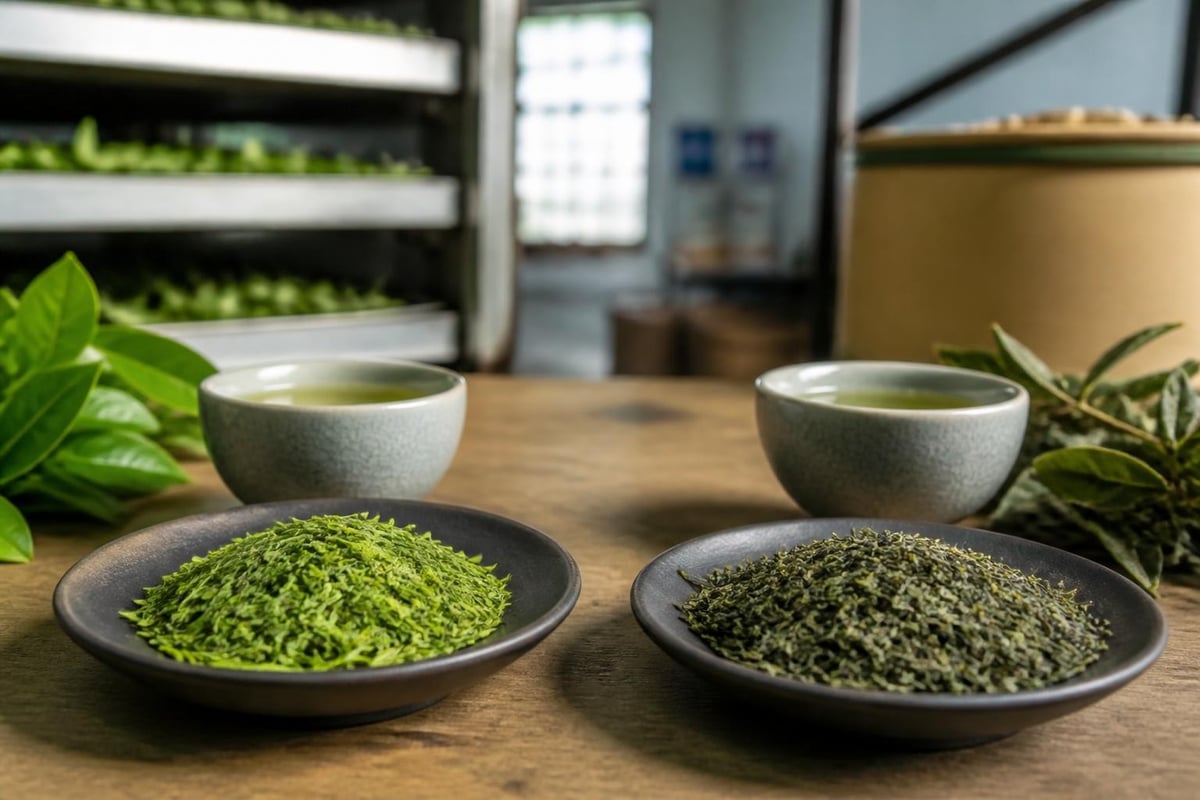
The difference between premium and basic green tea healthy brands often comes down to how quickly leaves travel from field to processing facility. Within hours, enzymatic activity can degrade beneficial compounds if leaves aren't properly handled.
Top Characteristics of Green Tea Healthy Brands
Identifying truly healthy green tea brands requires looking at several quality indicators that go beyond marketing claims. We've found that the best brands share specific characteristics that ensure both safety and efficacy.
Transparency and Testing Standards
Leading green tea healthy brands provide detailed information about their sourcing, processing, and testing protocols. Consumer Reports testing reveals that independent third-party testing for contaminants distinguishes responsible brands from those cutting corners.
What to look for:
- Origin information: Specific region, elevation, and harvest date
- Pesticide testing: Certificates showing residue analysis
- Heavy metal screening: Particularly important for teas from industrial regions
- Radiation testing: Essential for Japanese teas post-2011
- Microbial safety: Ensures proper handling and storage
| Quality Indicator | Premium Brands | Budget Brands |
|---|---|---|
| Origin transparency | Specific farm/region | Vague "Asia" labels |
| Testing certificates | Publicly available | Rarely provided |
| Harvest date | Clearly marked | Often omitted |
| Storage guidance | Detailed instructions | Minimal or none |
| Processing details | Explained in depth | Generic descriptions |
Organic Certification and Sustainable Practices
While organic certification doesn't automatically guarantee superior health benefits, it does indicate reduced pesticide exposure. Green tea healthy brands with legitimate organic credentials (USDA, EU, JAS) follow stricter growing protocols.
Sustainable practices also matter. Brands committed to soil health, water conservation, and fair labor practices tend to produce superior tea. Healthy soil creates healthy plants, which translates to more nutrient-dense leaves.
Japanese vs. Chinese Green Tea Brands
The world's green tea healthy brands primarily come from Japan and China, each offering distinct flavor profiles and processing methods. Understanding these differences helps you choose brands aligned with your preferences and health goals.
Japanese Green Tea Excellence
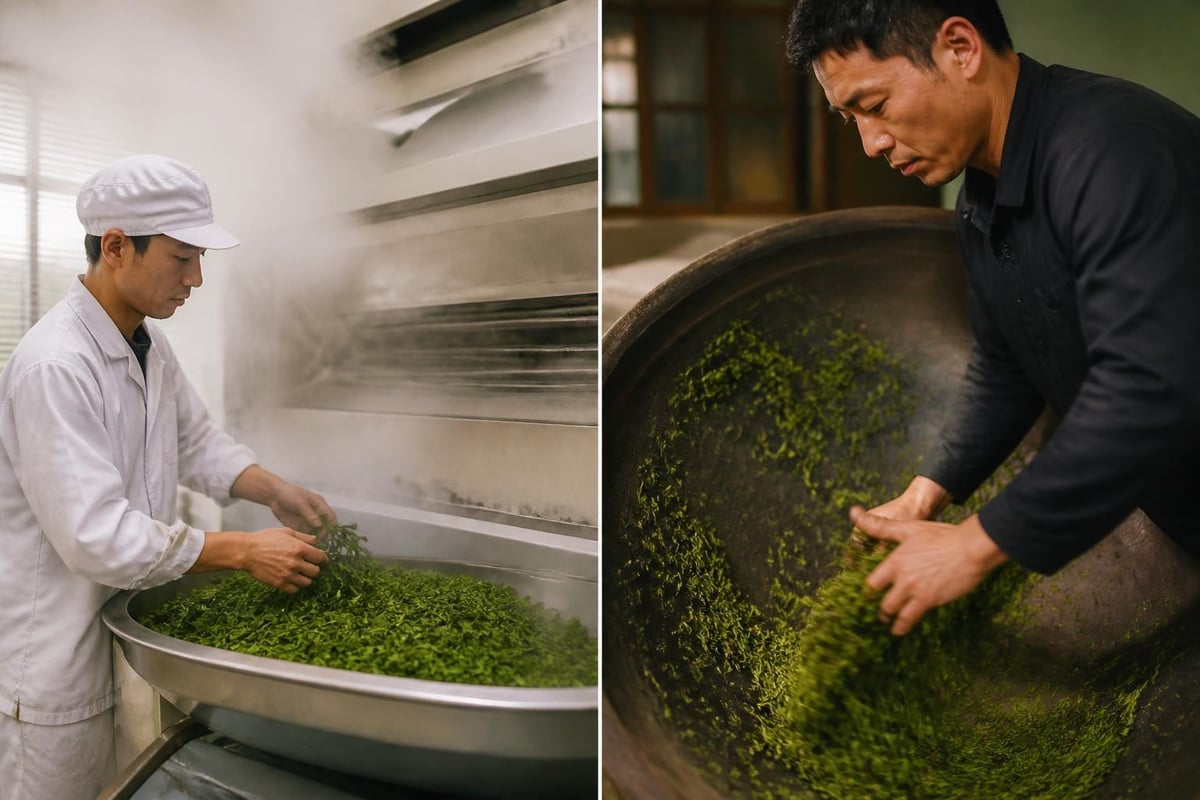
Japanese green tea production emphasizes steaming to halt oxidation, creating vibrant green color and vegetal, umami-rich flavors. Premium Japanese green tea varieties include sencha, gyokuro, and kabusecha, each with unique characteristics.
Notable Japanese brand characteristics:
- Shade-growing techniques that boost L-theanine and chlorophyll
- Steam processing that preserves bright color and delicate flavor
- Strict quality grading systems (ceremonial, premium, culinary for matcha)
- Regional specialization (Uji, Shizuoka, Kagoshima)
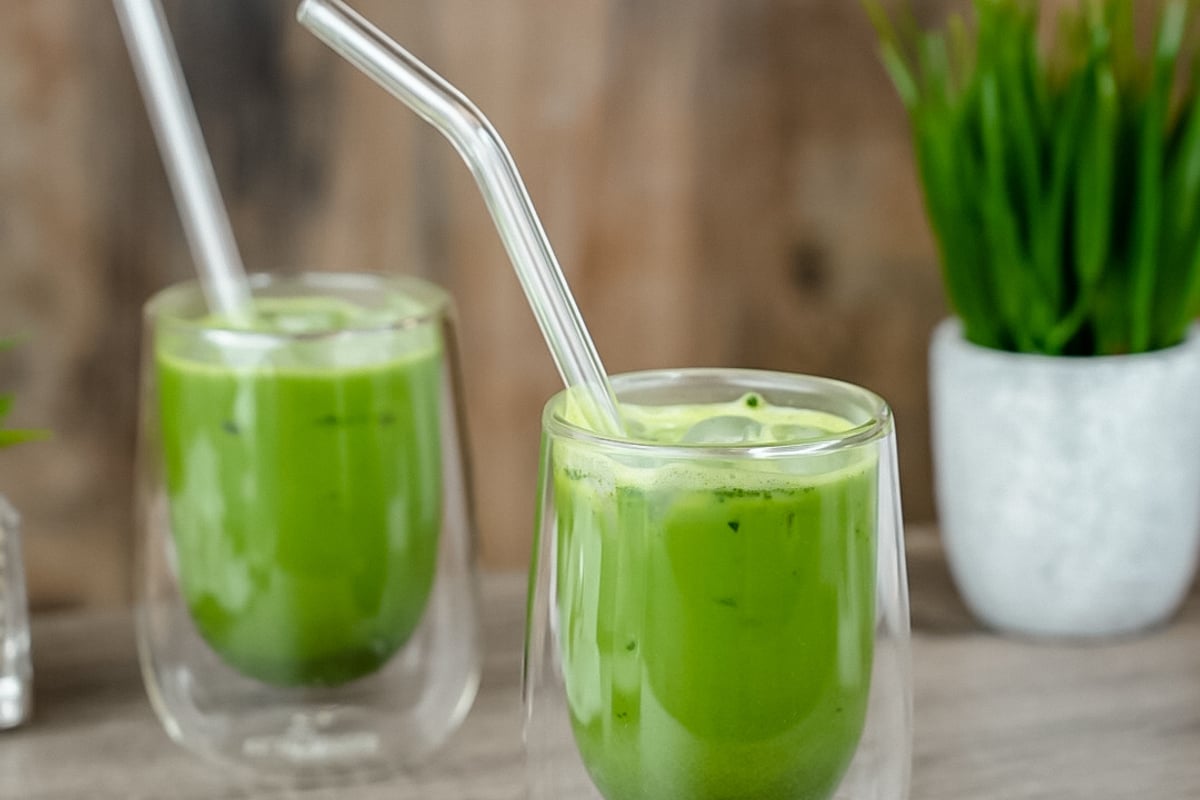
For those seeking maximum antioxidant concentration in a single serving, high-quality Matcha Tea powder delivers the entire leaf's nutritional content. The shade-growing process used for ceremonial-grade matcha significantly increases amino acid and catechin content.
Chinese Green Tea Traditions
Chinese green tea varieties typically undergo pan-firing or oven-drying, creating toasted, nutty, or floral notes. With thousands of years of cultivation history, Chinese green tea healthy brands offer incredible diversity.
Premium Chinese varieties include:
- Dragon Well (Longjing): Sweet, chestnutty character from Hangzhou
- Bi Luo Chun: Delicate, fruity spring tea
- Mao Feng: Complex, floral notes from Huangshan
- Liu An Guapian: Unique basket-fired tea with robust flavor
Both origins offer exceptional health benefits when sourced from reputable brands. Your choice ultimately depends on flavor preference and specific variety characteristics.
How to Evaluate Green Tea Brand Quality
Walking into a tea shop or browsing online, you'll encounter countless green tea healthy brands making impressive claims. Here's how to separate substance from marketing hype.
Visual and Sensory Inspection
Quality green tea reveals itself through appearance, aroma, and taste. Even before brewing, you can assess a brand's standards.
Dry leaf evaluation:
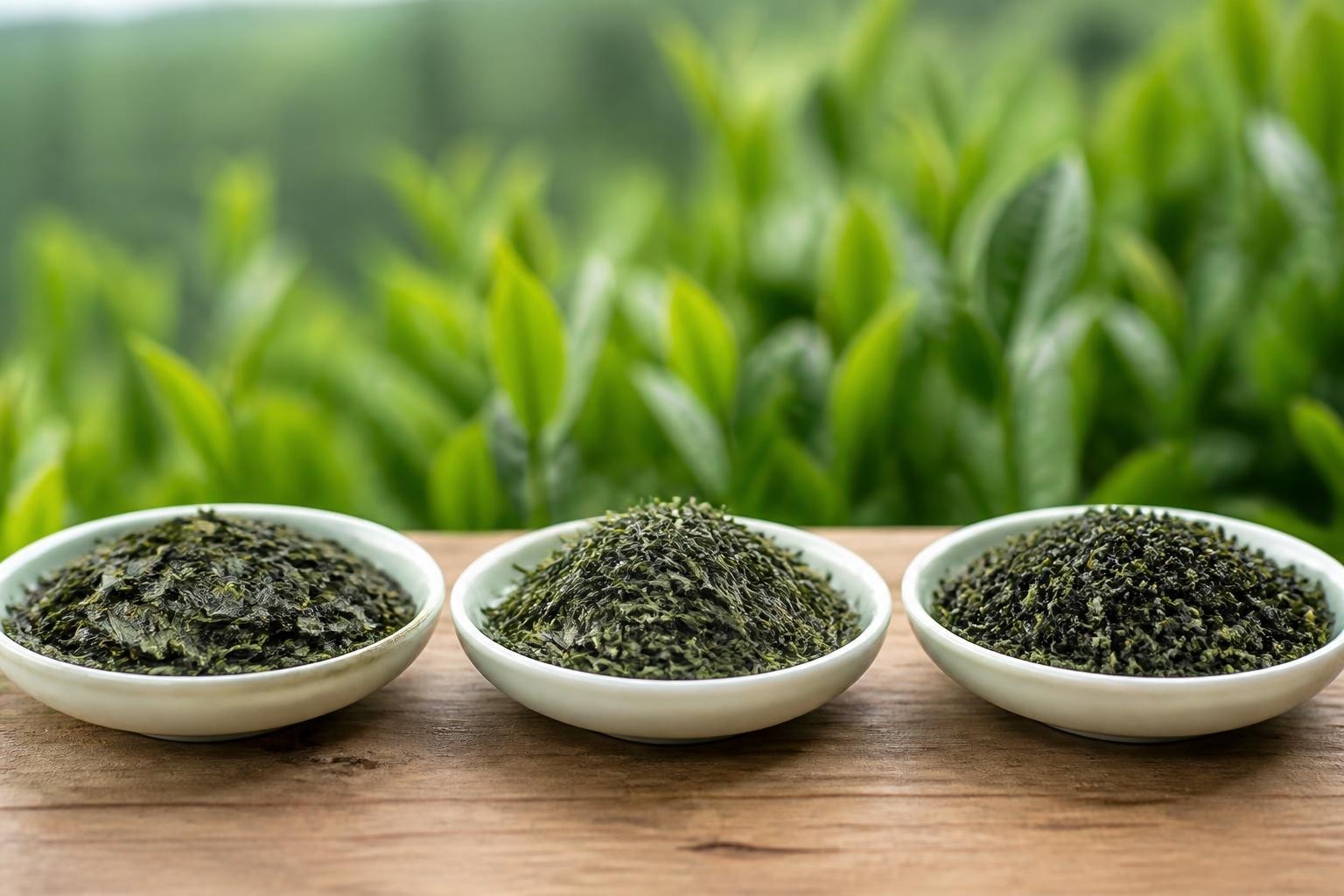
- Color: Vibrant green to deep jade (avoid yellowish or brown tones)
- Integrity: Whole or large pieces, minimal dust or fannings
- Uniformity: Consistent size and shape indicate careful sorting
- Aroma: Fresh, vegetal, or slightly sweet (never musty or flat)
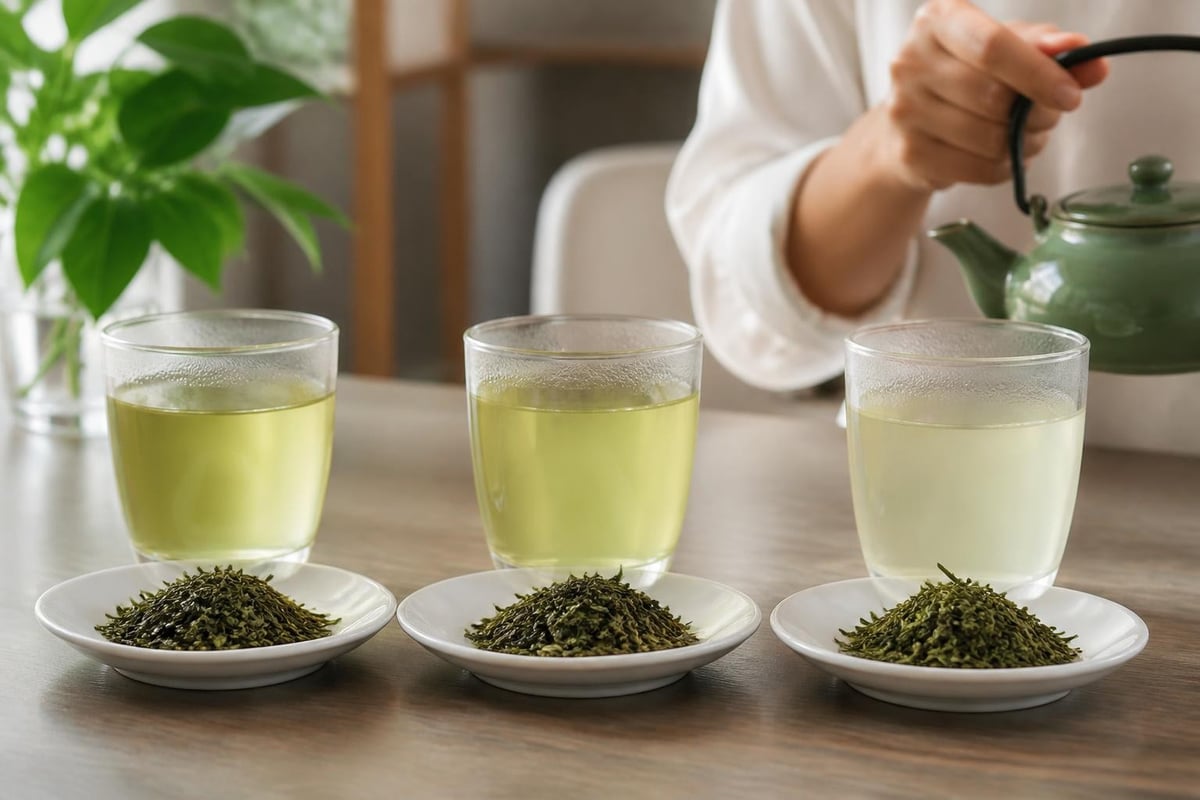
When brewed, healthy green tea should produce clear liquor with brightness and depth. Cloudiness can indicate poor processing or stale tea. The flavor should be balanced, never overly bitter or astringent unless you've over-steeped it.
Understanding Grade Classifications
Green tea healthy brands use various grading systems that can confuse consumers. Japanese teas often use terms like "ceremonial," "premium," or "culinary," while Chinese systems reference picking standards.
| Grade Term | What It Means | Health Implications |
|---|---|---|
| First Flush/Spring | Early season harvest | Highest amino acids, delicate catechins |
| Ceremonial/Premium | Top leaves, careful processing | Maximum beneficial compounds |
| Culinary/Standard | Later harvest, varied leaf sizes | Good antioxidants, more affordable |
| Organic Certified | No synthetic pesticides | Reduced chemical exposure |
| Shade-Grown | Protected from sun | Enhanced L-theanine, chlorophyll |
Don't let grade terminology intimidate you. Focus on brands that clearly explain their grading systems and provide actual quality indicators rather than vague marketing language.
Safety Considerations for Green Tea Brands
While green tea is generally safe and beneficial, certain considerations matter when choosing green tea healthy brands, particularly for concentrated extracts and supplements.
Understanding Extract vs. Brewed Tea
The National Center for Complementary and Integrative Health emphasizes important distinctions between traditional brewed tea and concentrated extracts. Traditional tea consumption carries minimal risk, while high-dose catechin supplements have raised safety concerns.
Recent systematic reviews on green tea supplementation in adults with obesity note that while benefits exist, monitoring liver enzymes is prudent when using concentrated extracts. Traditional brewed tea doesn't present these concerns because catechin doses remain within safe ranges.
Regulatory Standards and Contamination
Green tea healthy brands operating in regulated markets must meet safety standards, though requirements vary globally. European regulations on green tea catechins established labeling requirements and safety limits for extracts following hepatotoxicity concerns.
Safety factors to verify:
- Sourcing from reputable regions: Established tea-growing areas with quality controls
- Testing for heavy metals: Lead, cadmium, and arsenic can accumulate in leaves
- Pesticide residue screening: Essential for non-organic teas
- Proper packaging: Light-protective, airtight containers preserve freshness
- Clear dosage guidance: For extracts and concentrated products
Reputable green tea healthy brands voluntarily exceed minimum requirements, providing batch testing results and transparent sourcing information.
Brewing Methods That Maximize Benefits
Even the finest green tea healthy brands lose their potential if brewed incorrectly. Proper preparation preserves beneficial compounds while creating enjoyable flavor.
Temperature and Time Precision
Green tea's delicate catechins and amino acids require careful temperature control. Excessive heat degrades beneficial compounds and creates harsh bitterness.
Optimal brewing parameters:
- Water temperature: 160-180°F (71-82°C) for most green teas
- Steeping time: 1-3 minutes depending on variety
- Leaf quantity: 2-3 grams per 8 oz water (approximately 1 teaspoon)
- Resteeping: Quality teas offer 2-4 infusions
Japanese green teas generally prefer the lower end of this temperature range (160-170°F), while heartier Chinese varieties handle slightly warmer water (170-180°F).
| Tea Type | Water Temp | First Steep | Second Steep |
|---|---|---|---|
| Gyokuro | 140-150°F | 2 minutes | 30 seconds |
| Sencha | 160-170°F | 1-2 minutes | 45 seconds |
| Dragon Well | 170-175°F | 2-3 minutes | 1 minute |
| Matcha | 175°F | Whisk 30 sec | Single serve |
| Gunpowder | 175-180°F | 2-3 minutes | 1-2 minutes |
Multiple Infusions and Compound Extraction
One advantage of premium green tea healthy brands is their ability to withstand multiple steepings. Research on catechin bioavailability shows that beneficial compounds extract gradually across several infusions.
First steeping releases the most delicate flavors and water-soluble amino acids like L-theanine. Subsequent steepings continue extracting catechins while developing deeper, more robust characteristics. This means you're not just getting more value; you're accessing different beneficial compounds with each cup.
Green Tea Healthy Brands for Different Goals
Your wellness objectives should guide your choice among green tea healthy brands. Different varieties and processing methods offer distinct benefits backed by research.
For Metabolic Health and Weight Management
Meta-analyses of green tea's effects on cardiometabolic markers demonstrate that regular consumption supports healthy lipid profiles, blood pressure, and glycemic control. Brands offering high-catechin varieties provide the most robust support for these goals.
Best choices for metabolic support:
- Sencha with high catechin content
- Matcha for concentrated EGCG
- Gunpowder for robust, sustained release
- Spring-picked varieties with optimal compound balance
Consistency matters more than variety selection. Daily consumption of 2-3 cups from quality green tea healthy brands supports metabolic health better than occasional use of highly concentrated products.
For Cognitive Function and Calm Focus
The L-theanine and caffeine combination in green tea creates unique cognitive benefits. This synergistic effect promotes alert relaxation that coffee rarely achieves.
Shade-grown Japanese varieties excel in this category because shading increases L-theanine production. Gyokuro and high-grade sencha offer the highest concentrations, while matcha provides both compounds in concentrated form.
For Antioxidant Support
All green tea healthy brands provide antioxidant benefits, but concentration varies significantly. Matcha delivers the highest EGCG per serving because you consume the entire leaf. However, well-processed loose leaf teas from premium brands offer excellent antioxidant support at more accessible price points.
Emerging Trends in Green Tea Healthy Brands
The green tea market continues evolving as consumer awareness grows and research expands. Several trends are reshaping how green tea healthy brands position themselves in 2026.
Regenerative Agriculture and Carbon-Neutral Production
Forward-thinking brands now emphasize regenerative farming practices that restore soil health and sequester carbon. These methods often produce more nutrient-dense tea while supporting environmental sustainability.
Regenerative practices include:
- Cover cropping between tea plants
- Compost tea applications instead of synthetic fertilizers
- Integrated pest management reducing chemical use
- Biodiversity preservation within tea gardens
- Water conservation and watershed protection
These approaches align with both environmental stewardship and producing truly healthy tea. Soil microbiome health directly influences plant nutrient uptake and phytonutrient production.
Single-Origin and Terroir Expression
Like fine wine, green tea healthy brands increasingly highlight terroir: the unique environmental factors that shape flavor and character. Single-origin offerings allow consumers to appreciate how elevation, soil composition, and microclimate influence tea quality.
This transparency benefits health-conscious consumers by providing traceability and ensuring consistent quality standards. When brands stake their reputation on specific origins, they're more likely to maintain rigorous testing and processing protocols.
Innovative Processing and Flavor Profiles
While traditional processing remains the gold standard, some green tea healthy brands experiment with innovative methods. Flavored green tea blends combine premium bases with natural ingredients, creating approachable options for those new to green tea while maintaining health benefits.
Popular innovations include:
- Cold-processed teas preserving maximum freshness
- Nitrogen-flushed packaging extending shelf life
- Micro-lot production highlighting exceptional harvests
- Fermentation experiments creating unique profiles
- Blends with complementary botanicals
These innovations should enhance, not compromise, the fundamental health benefits that make green tea valuable.
Storing Green Tea to Preserve Health Benefits
Even green tea healthy brands with impeccable quality standards can't prevent degradation once you bring tea home. Proper storage is essential for maintaining beneficial compounds.
Environmental Factors That Degrade Tea
Four primary enemies threaten green tea quality: light, heat, moisture, and oxygen. Each accelerates oxidation and compound degradation.
Storage best practices:
- Airtight containers: Glass, ceramic, or tin with tight seals
- Cool location: Pantry or cupboard away from appliances
- Dark environment: Opaque containers or dark storage areas
- Dry conditions: Avoid humid environments like near sinks
- Isolation from odors: Tea absorbs surrounding scents
For long-term storage (beyond three months), premium green tea healthy brands often recommend refrigeration or freezing in completely airtight, moisture-proof containers. Allow tea to return to room temperature before opening to prevent condensation.
Recognizing Stale or Degraded Tea
Quality deterioration is inevitable, but proper storage extends peak freshness significantly. Learn to recognize when green tea has passed its prime.
Signs of degradation:
- Faded color (yellowish or brownish tones)
- Flat or musty aroma
- Weak, characterless flavor
- Increased bitterness without complexity
- Loss of vibrant liquor color
Most green tea healthy brands maintain optimal quality for 6-12 months when properly stored. Japanese teas, particularly delicate senchas and gyokuros, benefit from consumption within six months of purchase. Heartier Chinese varieties may hold quality slightly longer.
Price vs. Quality in Green Tea Healthy Brands
Budget-conscious consumers often wonder whether premium pricing reflects genuine quality differences or merely marketing. We've found that while price doesn't guarantee quality, significant quality indicators do correlate with higher costs.
What You're Paying For
Premium green tea healthy brands invest in practices that smaller, budget-focused operations can't sustain:
- Organic certification costs: Inspection, documentation, and compliance fees
- Testing protocols: Multiple screenings for contaminants and quality markers
- Careful processing: Hand-plucking, immediate processing, quality sorting
- Proper storage: Climate-controlled facilities preserving freshness
- Transparent supply chains: Direct relationships with growers ensuring fair compensation
- Smaller production batches: Focusing on quality over volume
| Price Range | What to Expect | Best For |
|---|---|---|
| Budget ($5-15/100g) | Acceptable quality, less testing, general origins | Daily drinking, beginners |
| Mid-Range ($15-30/100g) | Good quality, some testing, specific regions | Regular consumption, developing palate |
| Premium ($30-60/100g) | Excellent quality, comprehensive testing, named gardens | Special occasions, connoisseurs |
| Ultra-Premium ($60+/100g) | Exceptional quality, competition-grade, rare harvests | Collectors, ceremonial use |
Exploring offerings from Tealyra provides access to carefully curated selections across various price points, allowing you to discover which category aligns with your preferences and budget.
Finding Value in Green Tea Healthy Brands
Value doesn't always mean lowest price. Consider cost per serving and quality indicators when evaluating green tea healthy brands.
A premium tea offering three high-quality infusions might cost less per cup than a cheaper tea that becomes bitter and unpalatable after one steeping. Calculate value based on:
- Number of quality infusions possible
- Actual leaf quantity needed per serving
- Health benefits delivered (catechin concentration)
- Enjoyment factor (will you actually drink it?)
- Sourcing transparency and safety assurance
For those exploring green tea, starting with mid-range options from reputable sources provides good quality without overwhelming initial investment. As your palate develops, experimenting with premium offerings helps you understand quality differences.
Choosing green tea healthy brands doesn't need to be complicated when you understand what truly matters: transparent sourcing, proper processing, rigorous testing, and fresh storage. Whether you prefer the umami richness of Japanese sencha, the toasted complexity of Chinese Dragon Well, or the concentrated power of ceremonial matcha, quality indicators remain consistent across varieties. Tealyra offers an extensive selection of premium green teas from trusted origins worldwide, making it easy to discover healthy options that match your taste preferences and wellness goals.