 by Tealyra
How loose leaf tea compares with tea bags
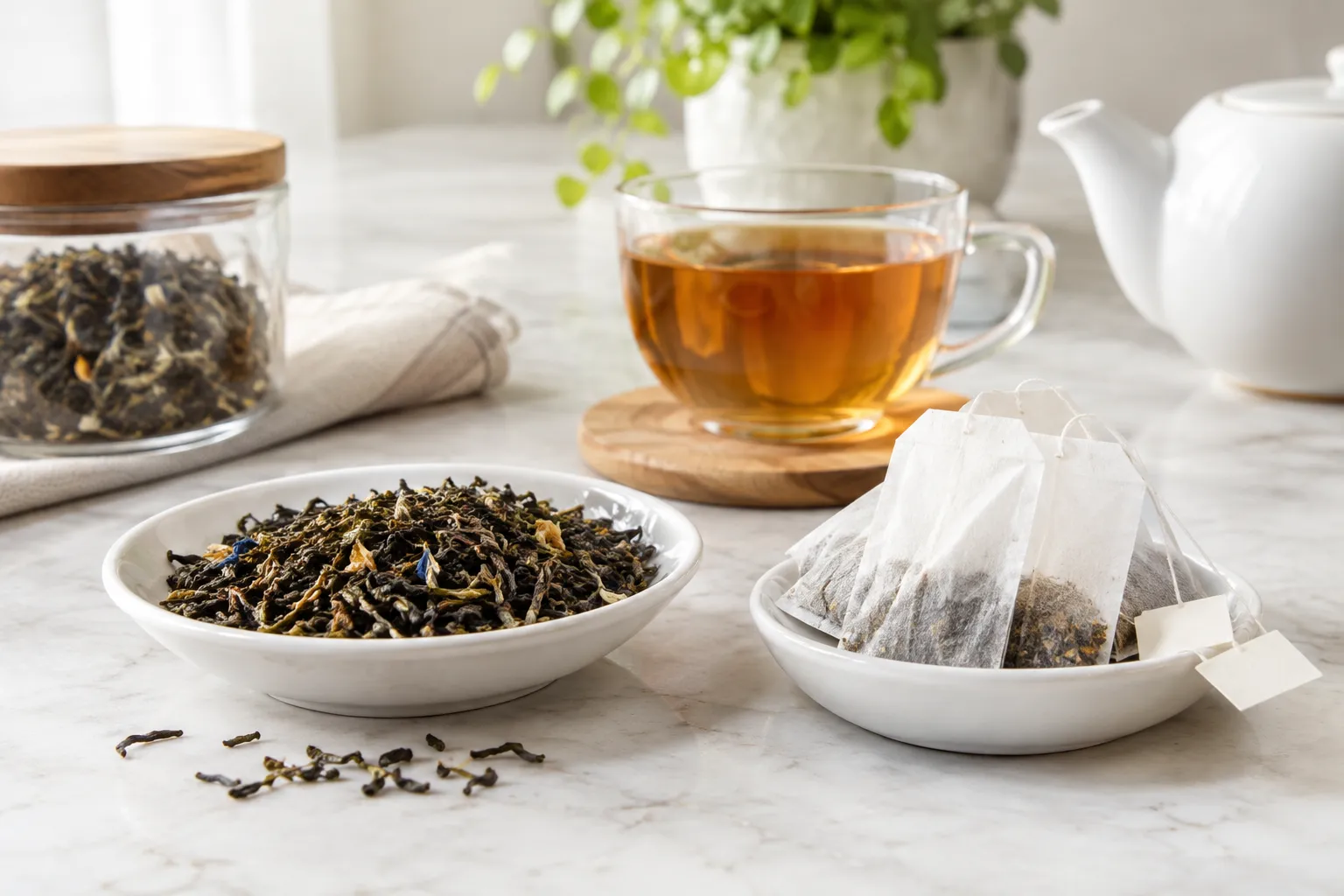
Loose leaf tea is tea sold as leaves or other brewable ingredients rather than portioned inside individual bags.
In This Article
- What loose leaf tea is
- How loose leaf tea differs from tea bags
- Choose loose leaf teas by type and flavor
- What you need to brew loose leaf tea at home
- Explore loose leaf tea options at Tealyra
- Loose Leaf Tea FAQs
- Take Your Next Step
Loose leaf tea is tea sold as leaves or other brewable ingredients rather than portioned inside individual bags. If you are comparing it with tea bags, the main differences are how much room the ingredients have to steep, how you portion each serving, and what equipment you need. The right choice comes down to your taste, routine, and willingness to handle a little more preparation.
What loose leaf tea is
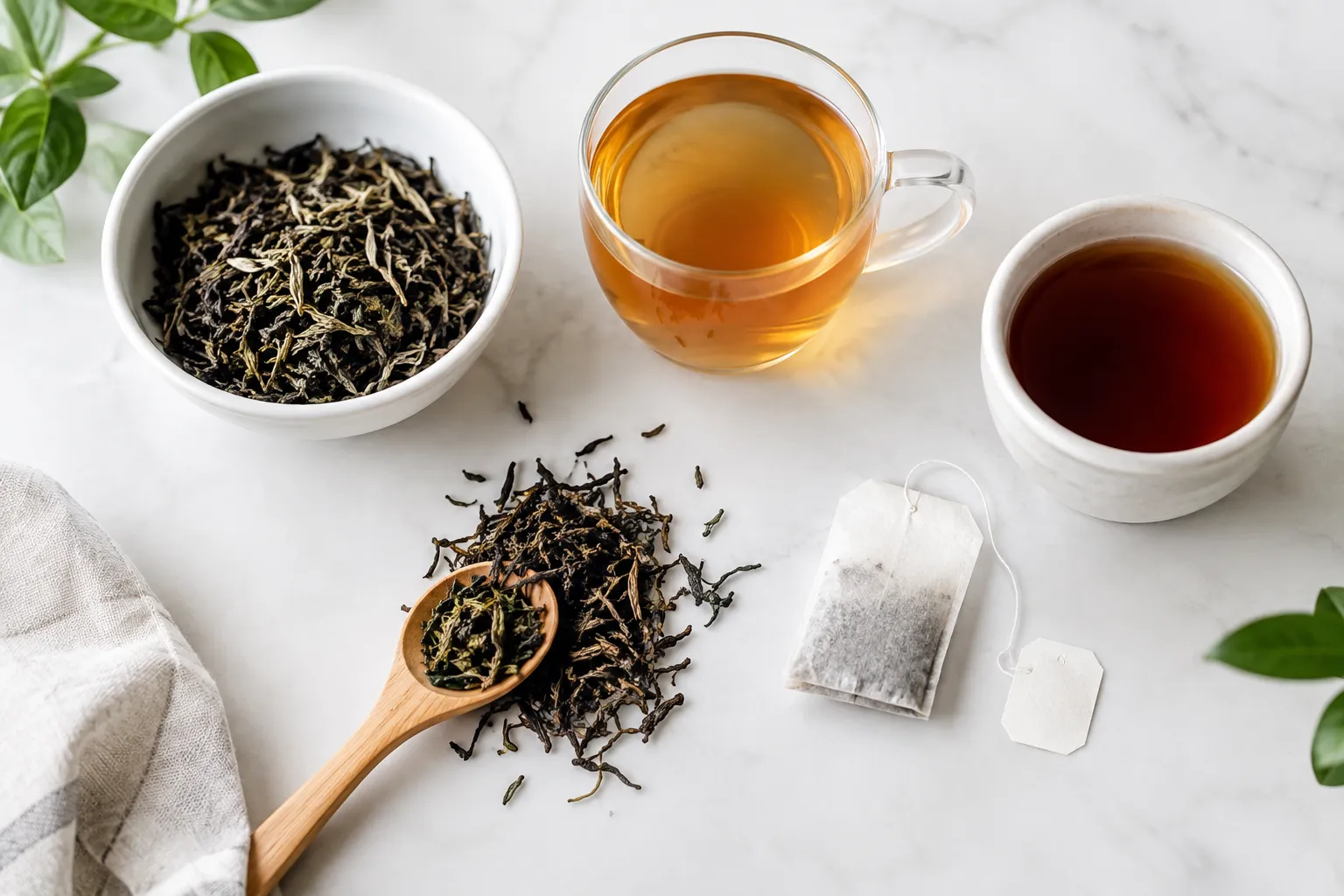
Loose leaf tea is tea you measure directly into a teapot, infuser, or other brewing vessel. The leaves may be whole or broken into smaller pieces; “loose leaf” describes the format, not a single leaf size or a specific tea variety.
The term can cover traditional teas made from the tea plant, including black, green, white, and oolong, as well as herbal infusions and flavored blends. Some loose leaf teas contain just one type of tea or herb, while others combine ingredients for a layered flavor.
Because the leaves are not enclosed in a bag, they need space to steep and a way to separate them from the finished drink. A mesh infuser, basket, or teapot with a strainer can do the job. For a first look at available types, you can explore Tealyra’s loose-leaf range.
How loose leaf tea differs from tea bags
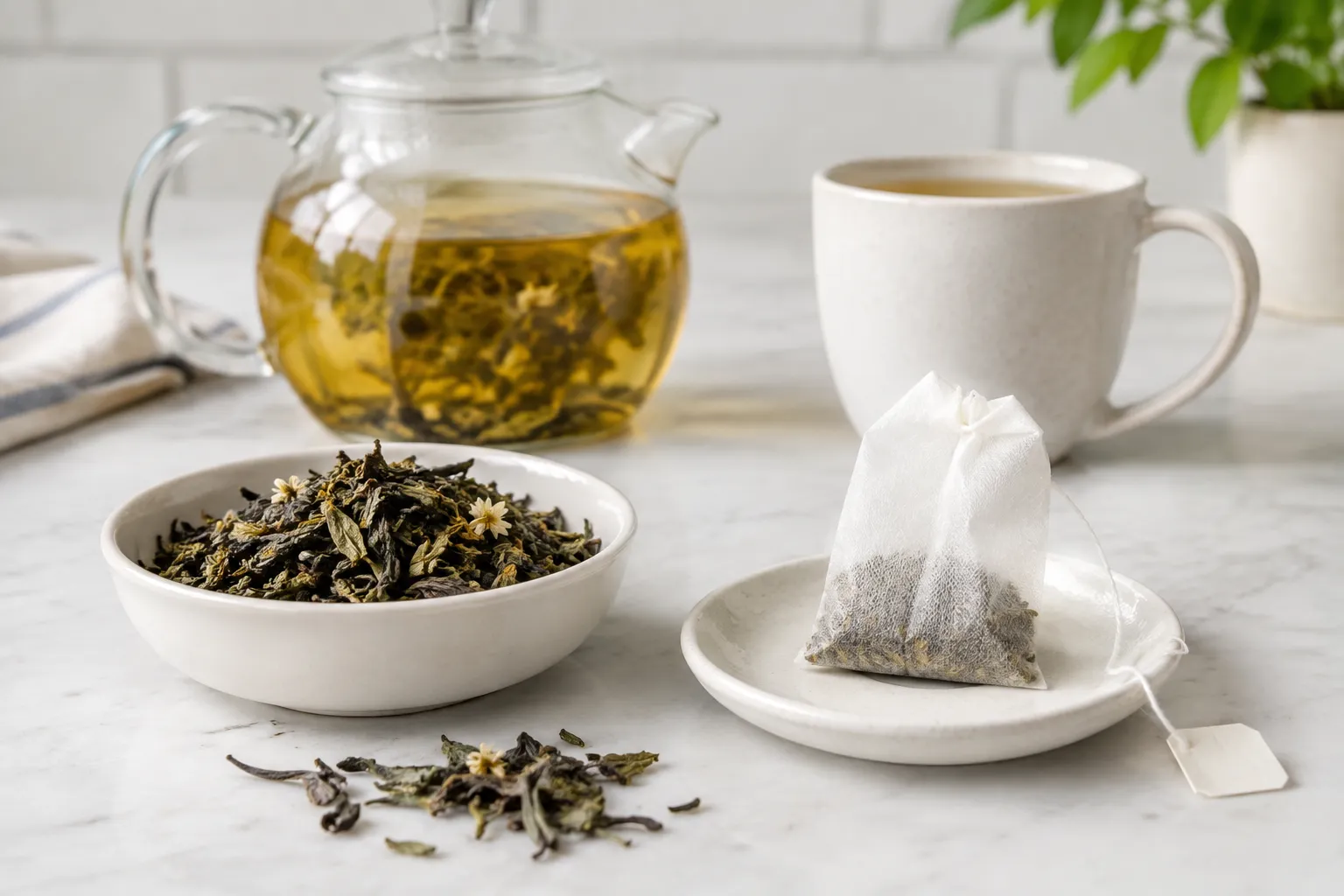
Both formats can make a cup of tea; the difference is in preparation and choice. A tea bag comes portioned and ready to steep. Loose leaf tea asks you to measure a serving and provide a way to contain or strain the leaves.
| Consideration | Loose leaf tea | Tea bags |
|---|---|---|
| Portioning | Measure the amount for your cup or pot | Usually portioned for a serving |
| Equipment | Needs an infuser, strainer, or suitable teapot | Often steeps directly in the cup |
| Leaf format | May include whole or broken leaves and other ingredients | Contents are enclosed in a bag |
| Brewing flexibility | You can adjust the amount and make a single cup or pot | The portion is generally set by the bag |
| Everyday tradeoff | More choice and control, with an extra preparation step | Convenient, with less measuring and cleanup |
Loose leaf tea can make it easier to adjust how much tea you use to suit your preferred strength. A larger brewing basket may also give leaves room to expand as they steep. The actual result still depends on the tea, the amount used, the water, and the steeping directions.
Tea bags are a practical fit when speed and minimal cleanup matter most. Loose leaf may suit you better if you want to compare tea types, adjust servings, or brew a pot to share. Neither format guarantees a particular quality or taste; check the tea’s description and brewing instructions when choosing.
Price comparisons are most useful when you consider how much tea is in a package and how many servings you expect to make. Also check whether the product is a single tea or a blend, and read the listed ingredients and flavor description. That gives you a clearer basis for judging value than comparing package prices alone.
Choose loose leaf teas by type and flavor
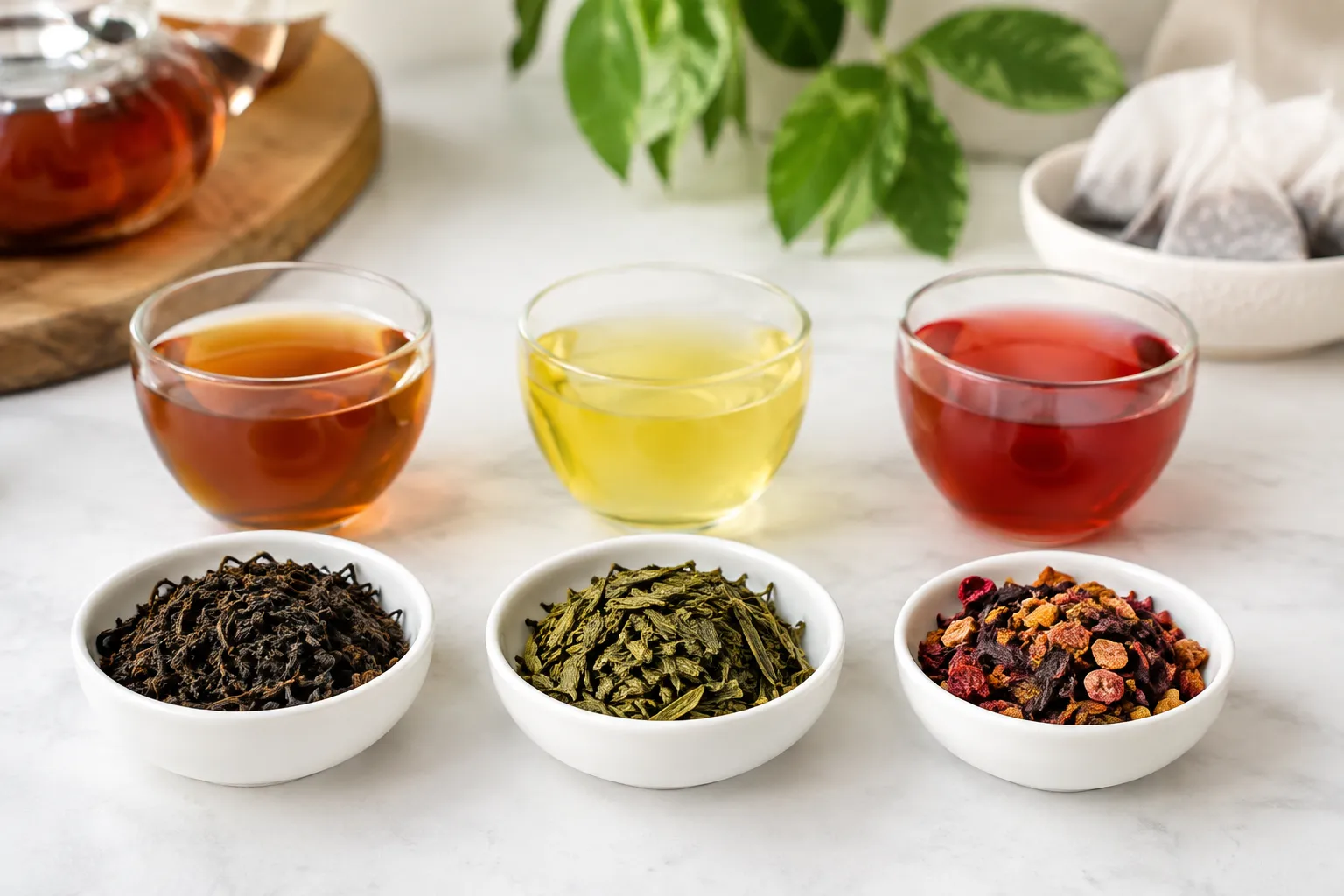
If you are new to loose leaf teas, start with the flavor words that sound appealing, then narrow your choice by tea type. Descriptions such as malty, grassy, floral, roasted, or citrusy offer clues about the cup, though the exact character varies from tea to tea.
You do not need to know a preferred style before trying loose leaf. Pick a familiar flavor direction, or choose contrasting types so you can notice what you like. If a product comes in multiple pack sizes, consider whether you want a small amount to explore or enough for regular brewing; check the product page for the options available.
Black, green, white, and oolong teas
Black tea is often a starting point for drinkers who enjoy a robust, full-bodied cup. Its flavor can be malty, brisk, or gently sweet, depending on the tea. If you want to browse this style, visit Tealyra’s black tea selection.
Green tea is commonly described as grassy, vegetal, fresh, or lightly sweet. The range is broad, so look at the specific flavor notes instead of assuming every green tea tastes alike. You can explore green tea options to compare descriptions.
White tea is often more delicate in flavor, with lighter, softer notes. Oolong covers a wide range between green and black tea styles; some are floral and light, while others have deeper, roasted character. For these styles, compare the individual descriptions in the white tea and oolong tea categories.
As a simple way to narrow your options, decide whether you want a bold, fresh, delicate, or layered cup. Then check the product description for flavor cues and follow the tea’s own brewing directions. Those details are more helpful than relying on the tea type alone to predict what you will enjoy.
Herbal tea, rooibos, and flavored blends
Herbal tea is an infusion made from ingredients such as flowers, leaves, fruit, or spices rather than the traditional tea plant. Its flavor depends on the ingredients: it may be floral, fruity, minty, or spice-forward. Browse herbal teas and read the ingredient list to see what a blend contains.
Rooibos is another option beyond traditional tea leaves. Its flavor is often described as smooth, earthy, or naturally sweet. Tealyra’s rooibos selection can help you compare descriptions and blends.
Flavored blends combine tea or herbal ingredients with added flavor elements. Before choosing one, check which ingredients form the base and whether the listed flavor profile sounds appealing. If you are uncertain, begin with a familiar flavor note rather than assuming a blend will taste like its name alone.
What you need to brew loose leaf tea at home
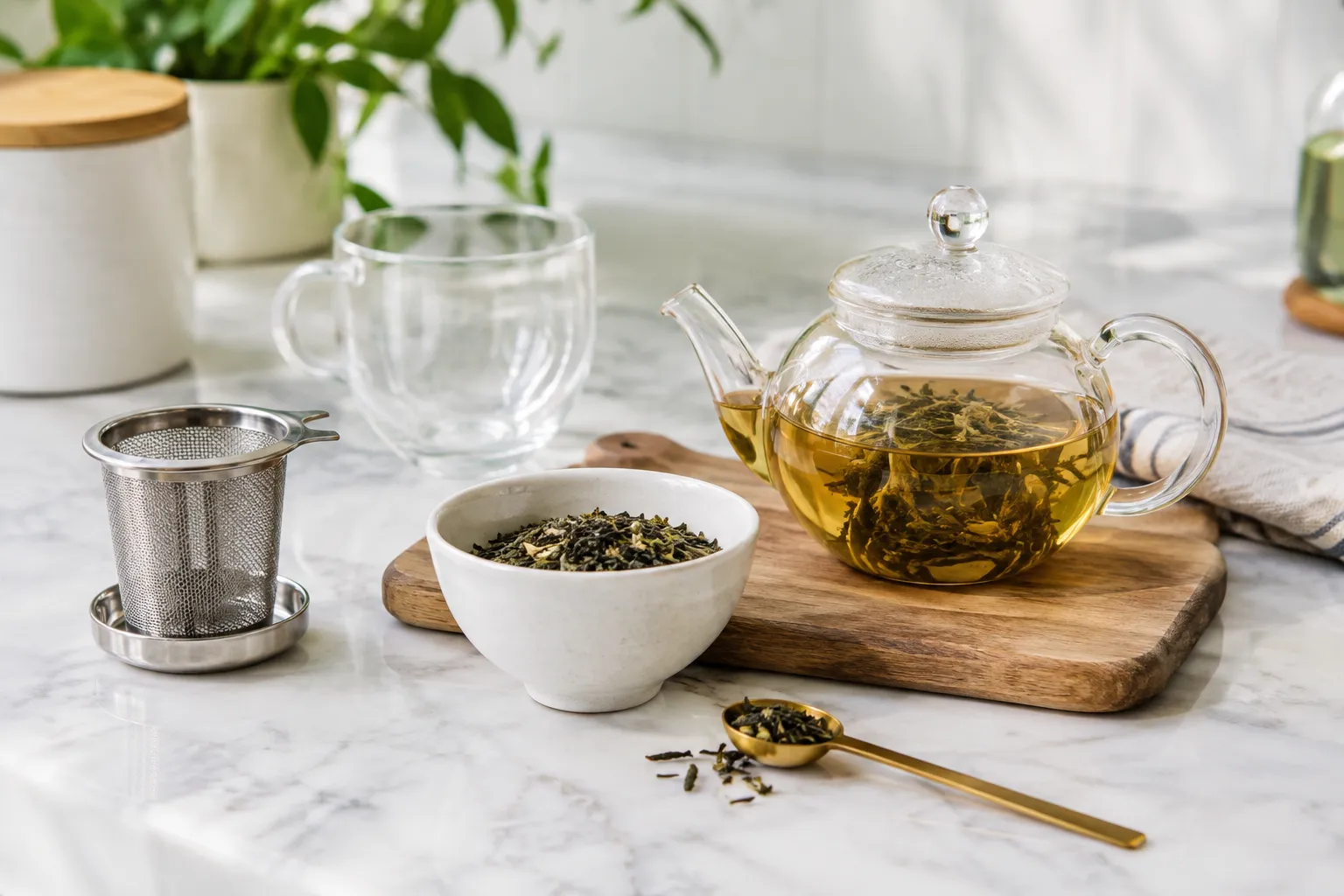
You can brew loose leaf tea with a few basics:
- Loose leaf tea and clean water
- A way to measure a serving, such as a teaspoon or scale
- A cup or teapot
- An infuser, strainer, or brewing basket to hold and remove the leaves
- A timer, if you want to keep track of steeping time
A teapot is useful when you want to prepare more than one cup at a time. An infuser that fits inside a mug can be enough for a single serving. In either case, choose a strainer that keeps the leaves contained while allowing water to flow through them.
To get started, use the product’s serving and steeping directions. Measure the recommended amount, use the suggested water temperature and steeping time, then taste the tea. If the flavor is too light or strong for you, adjust the amount or steeping time on your next brew. Changing one thing at a time makes it easier to find a balance you enjoy.
Different teas may call for different preparation, so avoid treating one set of brewing instructions as universal. Follow the label or product page for the tea you choose. For a fuller walkthrough of equipment, measurements, and steeping steps, see a dedicated guide to brewing loose leaf tea at home.
Explore loose leaf tea options at Tealyra
Once you have a sense of the flavors you like, browse by tea type and compare the descriptions. If you are still exploring, look for a flavor profile that feels approachable and check the ingredients, package size, and brewing directions before choosing.
Tealyra offers loose leaf tea across a range of styles. You can browse the loose leaf tea range and use the product descriptions to compare options. Product pages are the place to confirm current ingredients, package choices, and other item-specific details.
Loose Leaf Tea FAQs
What is a loose leaf?
Loose leaf is tea or infusion sold as loose ingredients rather than sealed in individual tea bags. Measure it into an infuser or teapot, steep it in water, then strain or remove the leaves.
Is loose leaf a good brand?
“Loose leaf” describes a tea format, not a brand. To assess a particular tea, read its ingredient list and flavor description, check the package details, and compare those with what you want to brew.
How much does a loose leaf cost?
The cost varies by tea, package size, and seller. Compare the listed amount of tea and the price per package, then check serving guidance to estimate which option suits your budget and routine.
Can loose leaf tea be cold brewed?
Yes. Add loose leaf tea to cold water in a covered container and steep it in the refrigerator; timing and tea-to-water ratios vary, so follow the tea’s directions when available.
How should loose leaf tea be stored?
Keep loose leaf tea in a tightly closed container in a cool, dry place, away from direct sunlight and strong odors. Follow any storage instructions on the package.
Can you steep loose leaf tea leaves more than once?
Some loose leaf teas can be steeped more than once, though later infusions may taste lighter or different. Whether another steep is enjoyable depends on the tea and your preferred strength.
Can loose leaf tea be used in a French press?
Yes. Add the leaves and water to a clean French press, steep according to the tea’s directions, then press the plunger to separate the leaves from the drink.
Does loose leaf tea have an expiration date?
Check the package for a best-by date or other guidance. Proper storage helps preserve the tea’s flavor, but its taste can change over time.
Take Your Next Step
Explore loose leaf teas by type and flavor, then use the product descriptions and package details to choose an option that suits your home brewing routine.